Mental health services adapt to meet increased demand
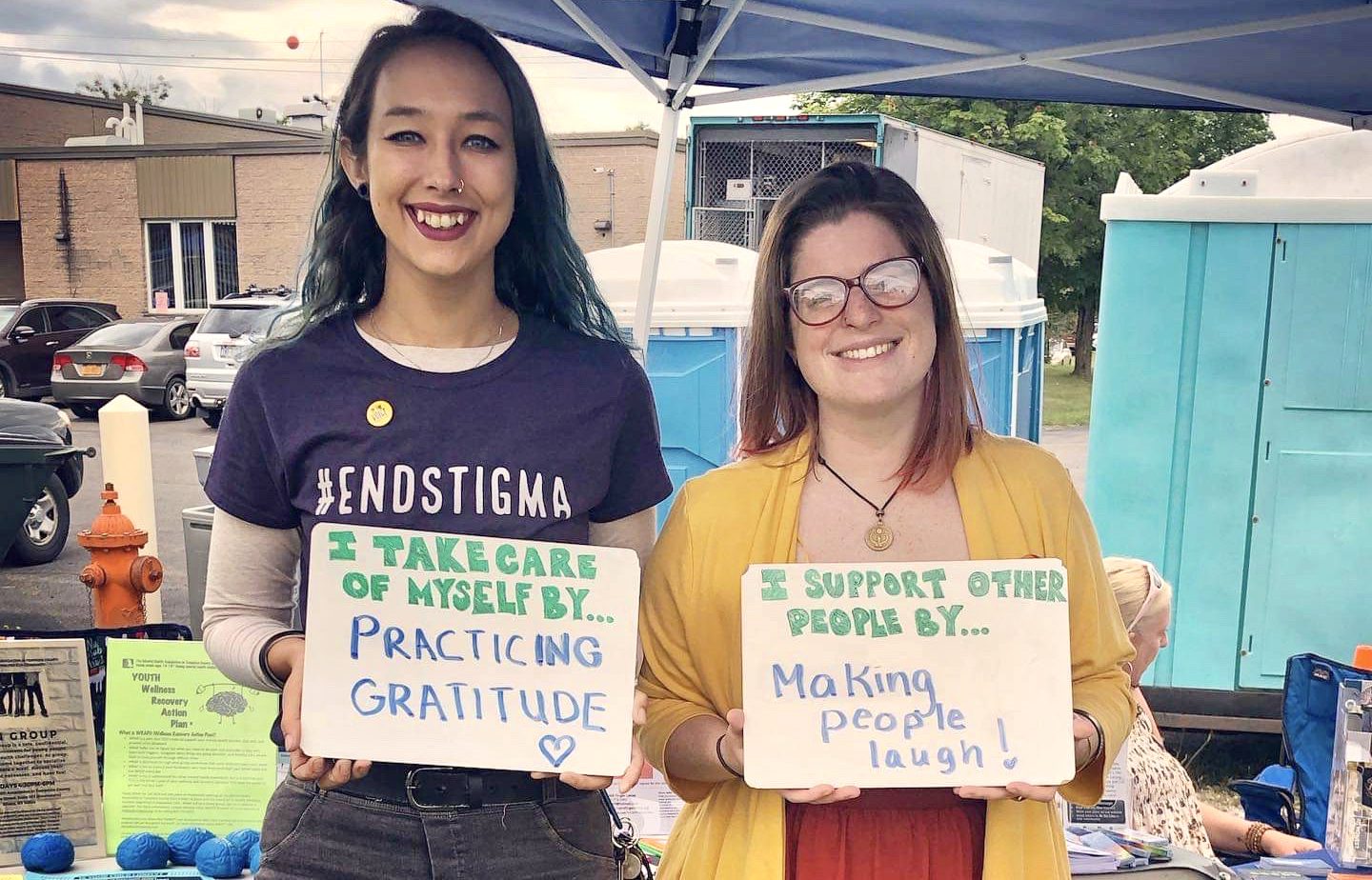
September is National Suicide Prevention and Awareness Month, a month normally filled with events and programming from groups all across the country, Tompkins County included. While suicide and mental health overall have always been important issues, for many local leaders who’ve seen the effects of the pandemic firsthand, COVID-19 has only amplified the need for mental health services throughout the county.
Mental health professionals interviewed for this story shared common concerns regarding the toll the pandemic has taken on many residents. Most saw increased demand for and use of their services at the start of the pandemic, and that hasn’t changed much over the past six months.
Lee-Ellen Marvin, director of education at the Suicide Prevention and Crisis Service (SPCS), said the mental health effects of the pandemic were clear even before shutdowns started happening. SPCS’s hotline saw an increase in call volume in February and has continued to see a 20% increase in call volume throughout the pandemic, with many callers expressing anxiety related to the pandemic.
“Somewhere in the summer, COVID as the main concern drifted off, but what we still hear all the time is that being in quarantine, still not certain about being unemployed, uncertainty about how school is going to happen — all of those kinds of things have been a factor in what people are struggling with,” Marvin said.
Others also saw an increased interest in their services, like social worker Jenai Rossow and therapist Richard Gallagher. Both saw an increase in people looking for supportive services, and as Gallagher explained, it wasn’t just their clients who felt the strain of the pandemic.

“Therapists, in general, found that we were getting a lot of calls and a lot of people really struggling,” Gallagher said. “Even therapists themselves, when we get together over case consultations, meetings, we acknowledge how uneasy we felt during those early days of the pandemic. It was a tough time for everybody and a lot of change.”
Some county leaders actually saw a decrease in service use during the pandemic, particularly in the beginning back in March and April. Tompkins County Mental Health Commissioner Frank Kruppa said new intake at the Mental Health Department had decreased to about half of what staff were expecting at the start of the pandemic, but that doesn’t mean residents weren’t struggling.
“A large part of that is, with all the changes related to COVID, I think people were focused on that,” he said. “They were focused on figuring out how to navigate their new daily lives, maybe with a different job or no job or with children at home and weren’t home before. … There’s a lot of different things that play a role.”
Melanie Little, director of youth services at the Mental Health Association in Tompkins County (MHATC), said she saw a similar decrease in program engagement ever since switching to virtual programming during the pandemic, but there are many factors that play into that.
“A number of the folks that we did work with don’t necessarily have all of the resources that are needed to stay engaged virtually in that way,” Little said. “A lot of people are feeling really overwhelmed, and we know that when there is a lot on people’s plates, they tend to neglect their mental health.”
As sources alluded to, the increased mental health challenges many are experiencing are a result of the pandemic’s widespread effects on everything from employment to childcare.
Kruppa said that even people who have little to no experience with mental health resources are reaching out for the first time, and those who do have a history of mental health issues have seen their symptoms amplified during the pandemic. As Rossow explained, while fears and anxieties have shifted since the pandemic’s beginning, the mental health effects of the pandemic are still widespread.
“As society kind of returns to normalcy a little bit, I’m seeing people feeling guilty about still feeling really anxious and worried about the pandemic and some people feeling guilty for not feeling worried enough still,” Rossow said. “So, it’s definitely changed the way people continue to respond to the pandemic, but I think it’s absolutely still prevalent and people are still, for sure, feeling the effects of it.”
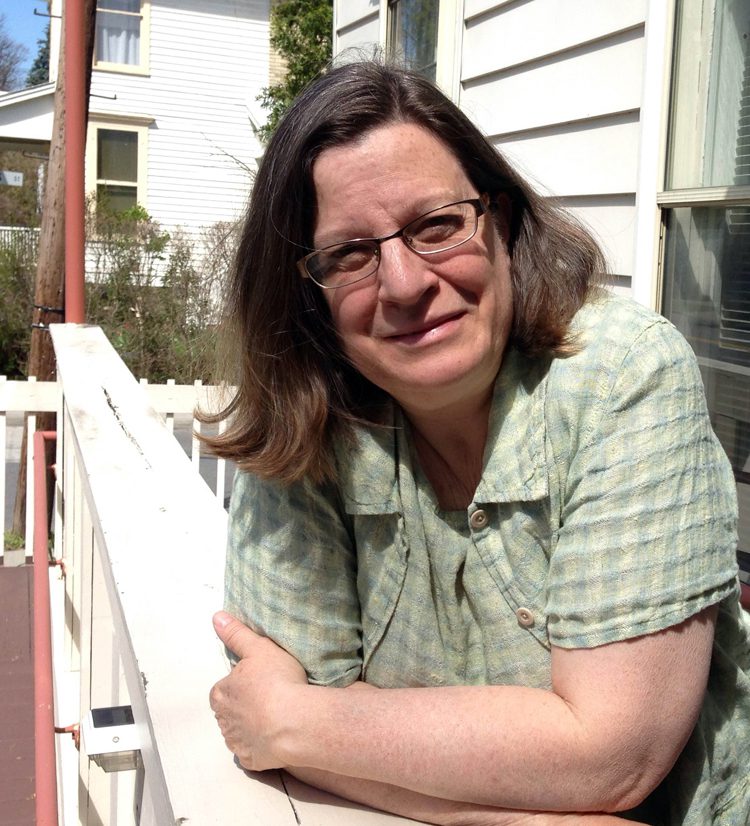
And the mental health effects will continue to be far-reaching, Marvin explained.
“The scholars who really are working deeply on this topic, what they’re discussing is whether we will see an increase in suicides about a year after [the pandemic] the way that happens with civic disasters,” Marvin said. “With the big ones where homes are destroyed or whole neighborhoods, in the first year, there’s this ‘we’re all in this together, let’s pull together.’ But then in the second year, when people start to recognize how their lives have been changed and they may never recover the life they used to have, … we may see that same kind of serious let-down.”
In response to the growing and continuing need, mental health professionals have adapted their services to try to reach those most in need. For those who offered in-person services prior to the pandemic, most services have been able to continue virtually. And while the transition came with its fair share of logistical challenges, the increase in telehealth services during the pandemic is something many sources referenced as one good thing that resulted from COVID-19 creating increased awareness of mental health concerns.
“We are reaching people that we had never reached before either because of transportation issues or just timing not working out for folks to appear in person,” Little said. “We seem to be reaching some new folks with our virtual programming, which has been exciting to see.”
Still, for some, virtual services aren’t a good substitute for the care they need and had been receiving prior to the pandemic.
“We found for others that it doesn’t work as well, that they really thrive in a face-to-face environment,” Kruppa said. “And so, we are continuing to look at how we can begin to provide basic services in a safe environment.”
While there is still a lot needed to reach everyone who needs mental health support, sources agreed that it is well worth the effort.

“There’s been, I think, a lot of focus on physical health services, making sure that we have the protective gear that we need, making sure hospitals and clinics and everything is staffed appropriately,” Rossow said. “But the mental health piece is so important because those are the pieces that sit with people. Every day, everybody is having some sort of mental health effect.”
To that end, sources are continuing to offer services, with many working to expand their current offerings in a safe way. These efforts include working to inform residents of all the services available — from support groups to counseling and more — and encouraging those who need help to reach out.
Sources offered some advice for those coping with their own mental health issues during the pandemic. Gallagher said in a time of great uncertainty, it’s important to establish some sense of control wherever you can and to find activities that help you establish a new routine.
“Don’t wait to feel like doing things — do things anyway and see what works best for you,” Gallagher said. “Bake a pie. Get out of Dodge. Zoom with your friends or family. Start a new hobby. And if you’re comfortable, get out and spend time outdoors in the real world.”
Little added that it’s important to prioritize your needs, even if that just means setting aside 10 minutes a day to ground yourself and reflect on your feelings.
“Don’t wait for a crisis to seek help. It can be so easy to want to put off taking care of yourself in that way, especially when people are dealing with all kinds of different demands and responsibilities,” Little said. “I myself know from experience, if you don’t take care of yourself, your body will force you to.”
And above all, don’t be afraid to ask for help.
“There are professionals that are there and ready and willing to talk and help through any issues that you might be facing,” Kruppa said. “Now’s not the time to try to stick it out yourself. These are difficult times, and why not get the help that’s out there and available to you?”
Those wishing to learn more about the mental health resources in Tompkins County can reach out to the sources mentioned in this story. Visit SPCS’s website at ithacacrisis.org, the Mental Health Department’s website at tompkinscountyny.gov/mh or the MHATC’s website at mhaedu.org.