
Mother Hen Rescue helps local wildlife in need in Newfield
Stacey Poptanich, who recently moved to Newfield from Sullivan County, adores animals. She has four dogs, three cats, a dozen chickens, three goats, two sheep and a python. “All except the goats are rescues,” Poptanich said.
Despite her hectic schedule, the Newfield resident and licensed wildlife rehabber has found time to launch Mother Hen Rescue to help local animals in need. The new wildlife rescue assists local wildlife and the growing stray cat population.
“It feels great to help animals and the people in the community,” Poptanich said.
It’s something of a family affair. Poptanich’s daughter is also a licensed wildlife rehabber, and her son plans to get his license this spring. “I hope to have some volunteers from the community to assist in the spring,” Poptanich said.
Poptanich, who has an extensive background with Catskill Animal Rescue in Sullivan County, said that Catskill Animal Rescue would receive numerous phone calls from concerned people reporting injured or orphaned wildlife.
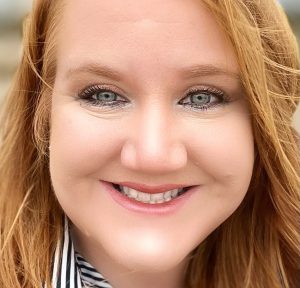
Newfield Notes by Courtney Rehfeldt
“Unfortunately, no one there was a wildlife rehabber, so we would just have to refer people to a few rehabbers in the area. But there are not that many, because wildlife rehabbers are volunteers,” she said.
In Newfield, Poptanich saw a great need for a local rescue to assist wildlife in distress, launching Mother Hen Rescue to provide aid to injured, orphaned or displaced wildlife with the intent to release the animal back into its natural habitat.
The new rescue organization also works to find a place for cats, farm animals and other small animals that need new homes. It also helps the public manage the community cat population. “I mostly serve Tompkins and Schuyler counties but will take animals from outside that area when needed if I have the space,” she said.
Poptanich said she has been fortunate to release many animals back into the wild after they have been orphaned or rehabbed from injuries.
“One of my favorite success stories was an animal that was never in my possession,” she said, recalling an incident with a Canada goose with a wing injury. She had received multiple calls about the goose, whose flock had left him at a pond near a nursing home.
She discovered the injured goose and saw that his wing could heal on its own, so she collaborated with employees at the nursing home to set up a feeding station for the goose during the winter.
“Eventually his wing healed, his mate came back and they left together,” she said. “It was great to be able to educate the public about the proper diet for birds (not bread) and explain that it was better for him to heal on his own than to subject him to the trauma of being captured and held in captivity.”
In addition to wildlife, Mother Hen Rescue works to help stray cats, assisting community members who had the best intentions to take in strays but could not get them fixed, resulting in an influx of kittens.
“I am beginning to work with the Tompkins County SPCA to get cats fixed. Unfortunately, most vets do not give rehabs any type of discount, which is understandable. They are a business and need to make a profit to stay open. Rescue will not make anyone money,” she said.
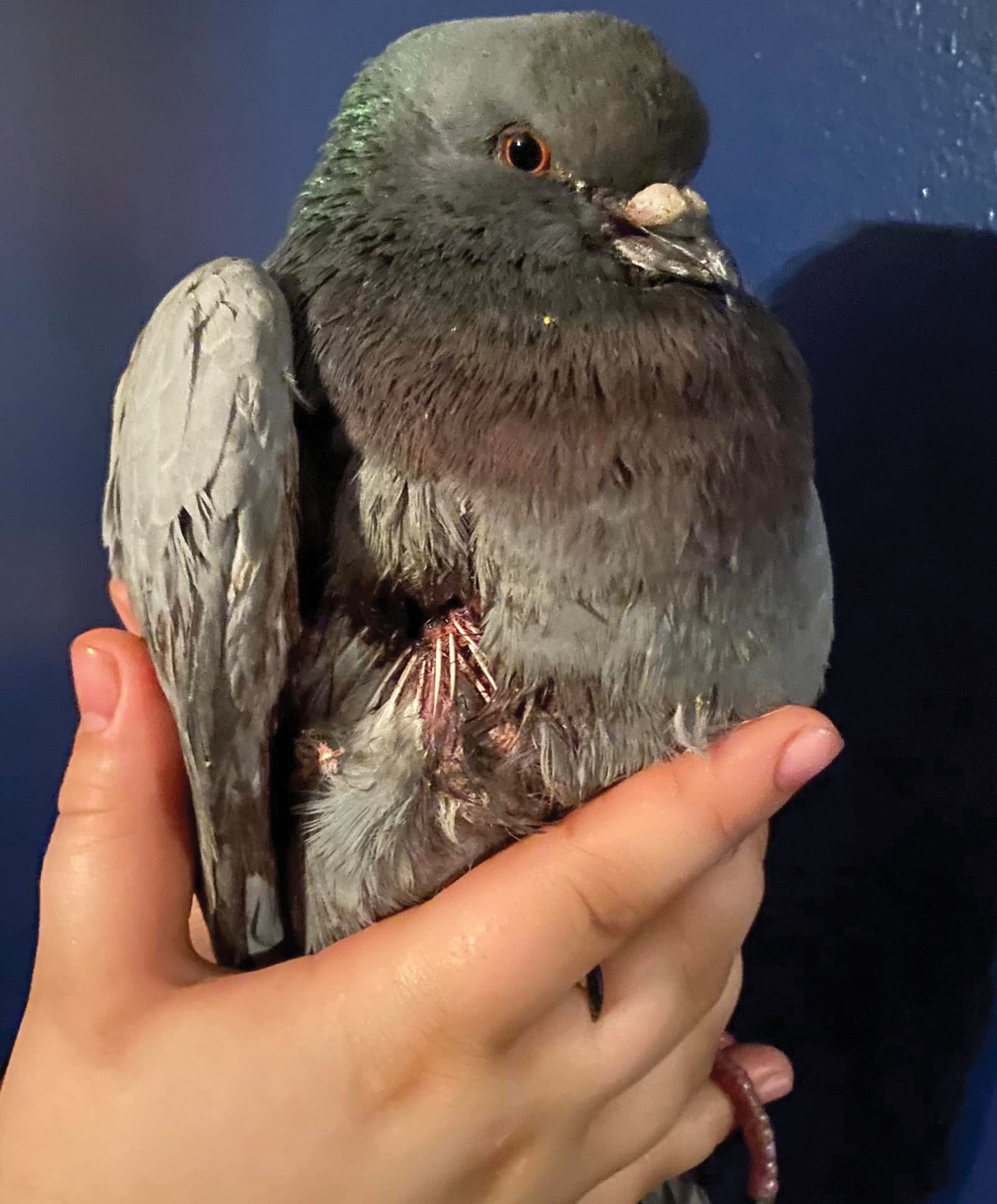
Mother Hen Rescue, a volunteer organization, has had many success stories for the wildlife it has rescued. Photo by Courtney Rehfeldt
Residents may be surprised to learn that wildlife rehabbers are volunteers who receive no state reimbursement, explained Poptanich.
“Most of us have full-time jobs. We can’t always answer the phone. You may have to leave a message or go to the DEC website and try calling other rehabbers. We really do want to help and will get back to you as soon as we can,” she said. “If I cannot help you – if it is an animal I am not licensed for or I don’t have room at the moment – I will do my best to find someone for you,” Poptanich added.
Poptanich advises the community to contact a rehabber before taking in a wild animal that appears to be injured or orphaned. “Many times that is not the case,” she said. “I receive many calls from people who think a bird fell out of a nest, when it is actually a fledgling.” While the bird may not be able to fly yet, it will be fed by its parents until it can fly.
“Taking an animal from the wild should only be done when necessary, especially with babies. It is difficult to get wildlife, especially babies, to eat in captivity because of stress,” she said.
Poptanich suggested that area residents share the Facebook posts of Mother Hen Rescue to spread the word of the rescue effort. The posts show animals for adoption and provide educational information for the public. She also has an Amazon Wishlist and accepts donations via Venmo and PayPal, as well as used bedding, towels and other supplies.
Soon, Mother Hen Rescue hopes to be involved in caring for rabies vector animals such as raccoons, skunks and bats. Poptanich stated that she intends to obtain her license to care for such animals this spring.
“This requires me to take more classes, get a rabies vaccine and the DEC will do a site inspection to make sure I have a secure place to keep these animals quarantined,” she said.
Mother Hen Rescue also hopes to provide animal therapy to the community this coming spring.
To learn more about Mother Hen Rescue visit its Facebook group at https://www.facebook.com/groups/motherhenwildliferehab
Newfield Notes appears every Wednesday in Tompkins Weekly. Send story ideas to editorial@vizellamedia.com.
Related Articles
Street Beat: What are you looking forward to in the new year?
We asked five random people. Here’s what they had to say.
5 things to do in Tompkins County this weekend
Plan your visit and discover what’s happening this weekend.