
New ‘Funky Fungi’ book features local growers
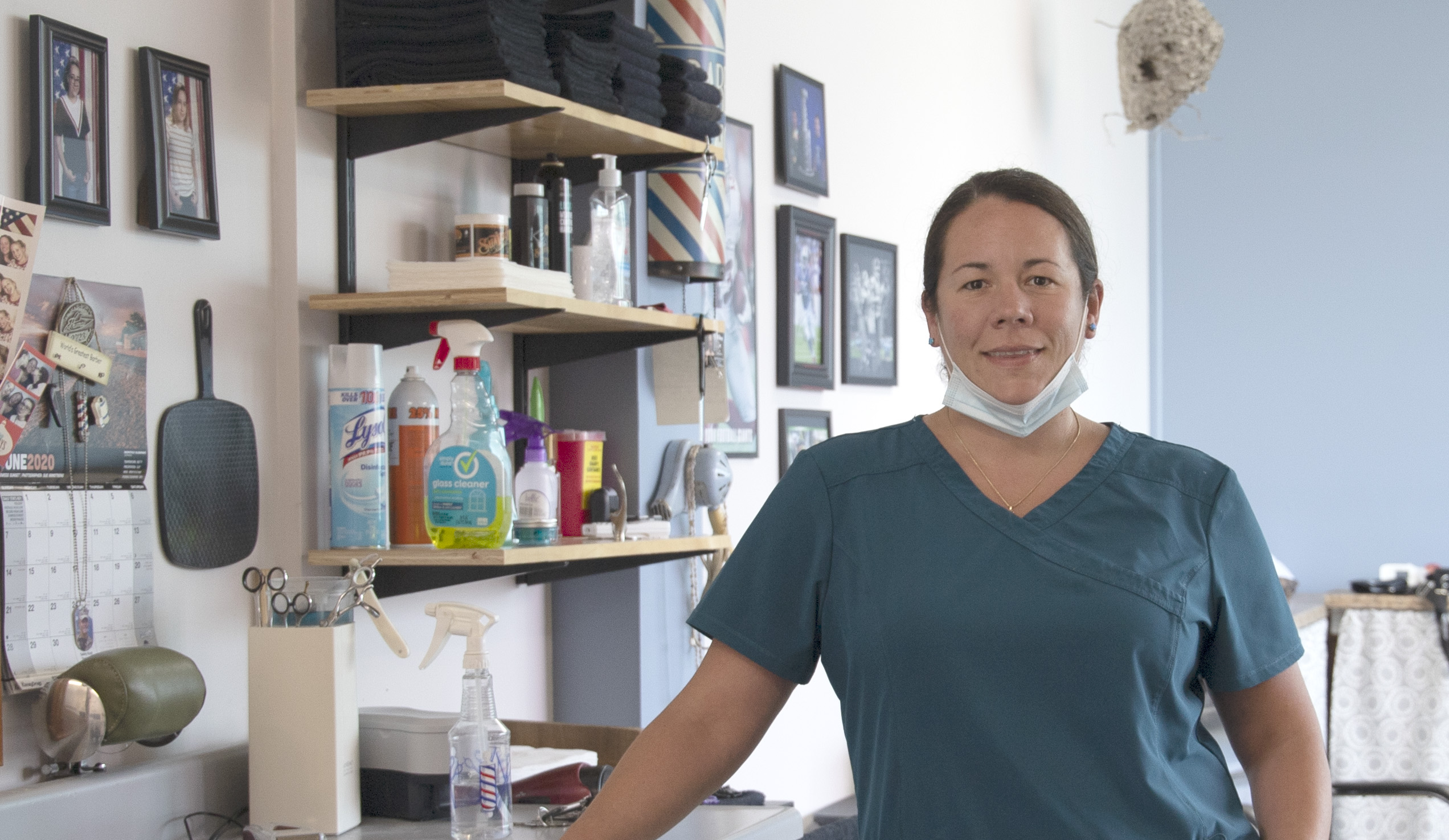
Editor’s note: In a previous version of this story, “Funky Fungi” author Sue Heavenrich was incorrectly quoted as saying that Steve and Anne Sierigk, who cultivate mushrooms in Trumansburg, are her friends. Heavenrich interviewed the couple for her book but did not partner with them nor visit their farm. This error has been corrected.
In 2020, local children’s book author Sue Heavenrich partnered with her friend and future co-author Alisha Gabriel to start writing a book all about fungi. Recently, the two brought their pandemic project, “Funky Fungi: 30 Activities for Exploring Molds, Mushrooms, Lichens, and More,” to life.
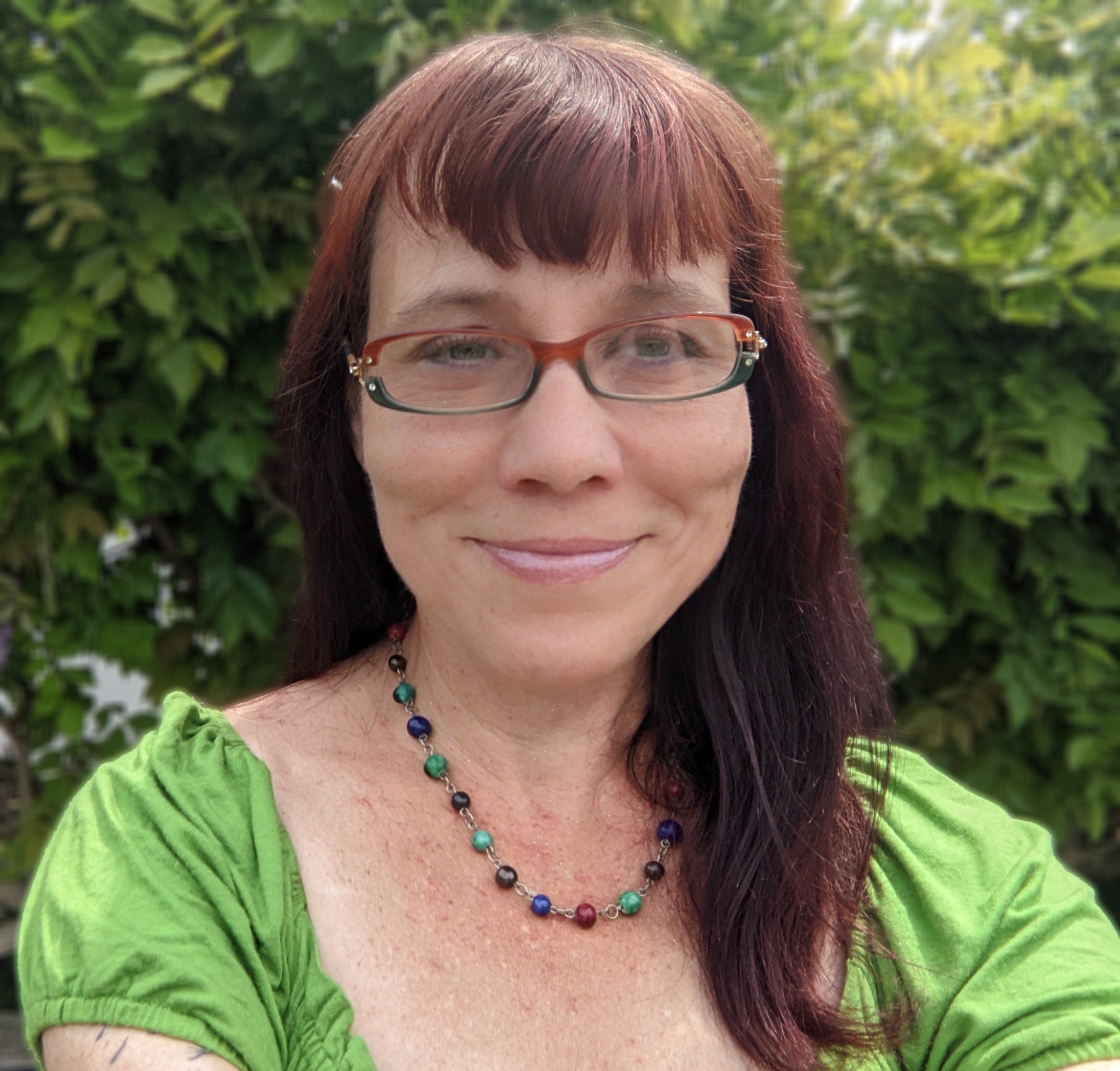
“The book was a project that I started working on when everything shut down with the pandemic,” Heavenrich said. “Alisha and I had met at a writing workshop in Pennsylvania 10 years ago. We were walking around one day and saw some cool mushrooms. I started examining them, and she started taking pictures of them.”
In the summer of 2020, Heavenrich and Gabriel started emailing back and forth about things they were working on and keeping busy with during the pandemic lockdown.
“Alisha asked me in one email if I had ever done anything with the information and research I had started that was sparked by the mushrooms we had found,” Heavenrich said. “When I told her that I had not, she said she had never done anything with it either. That’s when we decided to put together ‘Funky Fungi.’”
Part of the Young Naturalists eight-book series, “Funky Fungi” offers 30 different ideas within its 128 pages, complete with a teacher’s guide in the back of the book to teach young readers about how fun fungi can be. The newest series installment illustrates how fungi partners with plants in their natural surroundings to help the planet through bioremediation.
Bioremediation refers to a process whereby a biological system that is living or dead is employed for removing environmental pollutants from the air, soil and water that occurs in settings both artificial and natural.
“Steve and Anne Sierigk cultivate mushrooms on logs at Hawk Meadow Farm in Trumansburg,” Heavenrich said. “After a terrible storm had come through, they had a tremendous amount of windblow to deal with. They started growing mushrooms because of all the downed trees.”
In addition to growing mushrooms, the Sierigks offer tours and workshops at the farm.
“Funky Fungi” introduces young readers to the versatility and possibilities that mushrooms have to offer through 30 different ideas, ranging from culinary creations to agricultural advancements.
“The book profiles Dr. Kathie T. Hodge, who is a mycologist at Cornell University and director of Cornell Plant Pathology Herbarium (CUP), and her amazing lab,” Heavenrich said. “As a scientist, she looks at fungi under microscopes and runs DNA to find out what other mushrooms they are related to. She believes only 5% of fungi has been recognized and discovered. There’s a belief that there could be thousands more. There’s a part of the book that illustrates how you can take dirt from your own backyard and tells you how to mail it to the Citizen Science Soil Collection Lab in Oklahoma to decipher if there is a new form of fungi in it.”
The Natural Products Discovery Group (NPDG) at the University of Oklahoma is a team of research scientists, postdoctoral fellows, students and staff. As explained on its website (whatsinyourbackyard.org/process/), “When soil samples arrive, they are brought to our interactive laboratory called the Chemical Zoo for processing. The fungi are cultured and prepared for extracting their natural products, which are tested against a range of disease targets that include different types of cancers, infectious bacteria and parasites.”
“It’s fun to think that a kid in Ithaca could find a new type of fungi right in their backyard,” Heavenrich said. “The book features a lot of different things. There are the fungus files, which is a section that highlights different mushrooms with full pictures and information. There are a lot of hands-on activities. It features how to make fungus-fighting mixes that help you fight mildew inside your home and in the garden, compost growing in soda bottles, bundle dyeing using mushrooms and so much more. The project and the provided teachers’ guide makes it a great STEAM selection for teachers and parents home schooling as well.”
Having previously written for independent publications including Ithaca Child and Tompkins Weekly, Heavenrich has found her niche in the genre of educational children’s books.
“Previously, I wrote ‘13 Ways to Eat a Fly,’ which is a children’s picture book, and ‘Diet for a Changing Climate: Food for Thought,’” Heavenrich said. “The diet book is for kids and challenges them to come up with ideas to change the environment and how they look at food. It came out in 2018 and it’s an excellent educational tool for people looking to change their environment. It’s filled with a lot of educational ideas that are useful to students as well as anyone teaching them. I’m excited to see what people think about ‘Funky Fungi’ and encourage them to buy the book at privately owned, independent bookstores in their area.”
More information can be found at sueheavenrich.com and Heavenrich’s Facebook author page at facebook.com/SueHeavenrichWriter.
Trumansburg Connection appears every Wednesday in Tompkins Weekly. Send story ideas to editorial@VizellaMedia.com.
In brief:
Taughannock Falls concert series
Come to Taughannock Falls State Park throughout July and August for a weekly concert series. All concerts start at 7 p.m., and parking is $5. The performers are as follows:
– Diana Leigh with Firefly Quartet, July 2
– Iron Horse, July 9
– Party of Four, July 16
– Papa Muse, July 23
– Gun Poets, July 30
– Zydeco Trail Riders, Aug. 6
– Marc Berger and Ride, Aug. 13
Related Articles
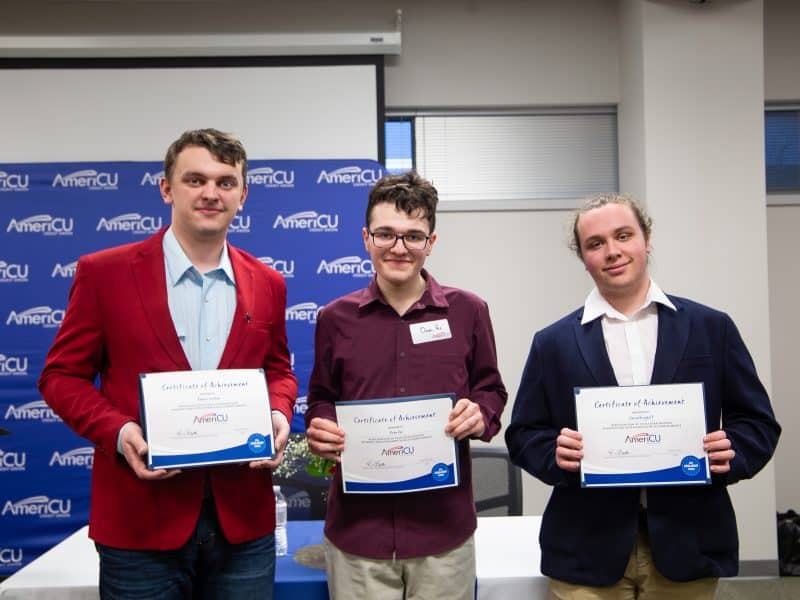
AmeriCU proudly connects students with annual scholarship opportunity
AmeriCU scholarship program awards $1,000 to students pursuing college or vocational education. Applications are open through March 15.
Street Beat: What’s one of the best holiday gifts you ever received?
We asked five random people. Here’s what they had to say.
5 things to do in Tompkins County this weekend
Plan your visit and discover what’s happening this weekend.