
Newfield joins Climate Smart Communities
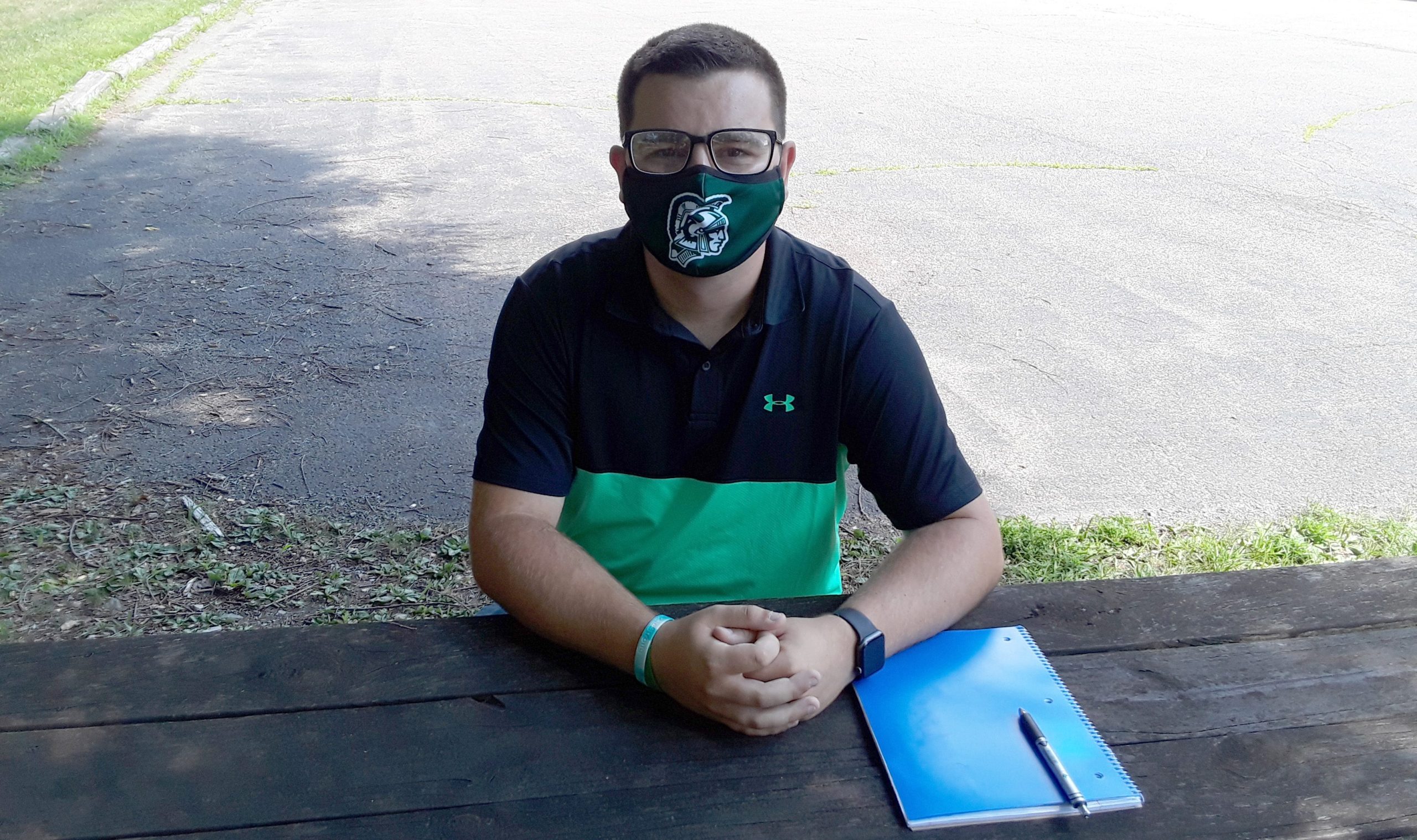
This summer, Newfield joined over 300 municipalities in New York registered with the state’s Climate Smart Communities (CSC) program, including several in Tompkins County.
According to its website, CSC is a voluntary initiative offering free technical assistance, grants and a checklist of actionable items for local governments to use as a framework to build a sustainable climate-action plan. Communities are recognized for their accomplishments through a rating system and can attain a bronze, silver or gold designation.
There are several advantages to becoming certified. By participating in the CSC program, Newfield can access resources, training, tools and expert guidance to help navigate a local approach to climate change. Networking and peer relationships with other CSC communities are also invaluable sources of ideas, modeling and support.
Newfield is part of the Tompkins County Council of Governments (TCCOG). According to the TCCOG website, the goal is for town representatives to explore “more efficient and fiscally responsible delivery of government services.”
Newfield Councilperson Heather McCarty is on the TCCOG Energy Subcommittee researching consortiums for group purchases and Green Energy program credit opportunities. Elected to the Newfield Town Board in 2019, McCarty has been instrumental in the town’s journey to becoming a Climate Smart Community and is a member of the town’s Task Force.
“I was getting towards the end of what I could do about the climate crisis as an individual. I was too focused on myself and wanted to make connections in the community and see what we could do together,” she said about her decision to run for local government. “It’s a time commitment and a learning commitment, but it’s fulfilling. You learn what’s important to other people.”
McCarty has always been interested in sustainability and environmental issues. Her work as a graphic designer for a family business developing labels allows her to connect with organic farmers and other local small businesses who also support these ideals.
“A lot of people are concerned and upset [about climate change],” she said. “It’s common to get stuck in feeling hopeless, but sometimes, you have to take action even if it’s not the perfect action.”
As local governments adapt to a changing climate, reducing greenhouse emissions is a key goal, but implementing Climate Smart Communities actions holds other positive outcomes.
McCarty explained that Newfield residents can expect benefits like cost savings through energy efficiency, improved air quality and the conservation of green spaces for recreation and biodiversity.
She added that the town believes in investing in green businesses that support sustainability and has already granted permits to a solar farm on Millard Road and another being constructed on Burdge and Millard roads. Supporting these endeavors leads to greater energy independence and energy security possibilities for citizens.
In 2015, parts of the town experienced damaging floods. The reduction of future flood risk through climate change adaptation strategies is a high priority. Currently, the town is working on its Hazard Mitigation Plan with Tompkins County.
McCarty recounted a watershed field trip led by Michelle Henry, Newfield’s representative to the Tompkins County Environmental Management Council, and was “struck by how everything is connected to and impacts everything else” regarding temperature changes and heavy rainfall.
On June 11, the town of Newfield adopted the Climate Smart Communities Pledge. The Pledge recognizes that climate change can endanger many aspects of the community’s environment, health, infrastructure and economy and that the community is set to take deliberate actions in response to this threat.
The resolution had to contain all 10 points of the CSC Pledge, but other aspects to include were left up to local governments. The final wording of the pledge was the result of several conversations town council members had.
“It’s valuable to have conversations when people are questioning each other in a respectful manner,” McCarty said. ”The Town Board does that and appreciates differing perspectives.”
The final document is filed with New York state and available on the town’s website.
After passing the resolution and registering, communities develop an action plan that can be implemented at their own pace. The state recommends some measures, like the creation of a CSC Task Force, recognizing them as fundamental to a successful municipality climate change program.
According to the CSC website, the task force is a citizen organization that promotes and supports climate action within its community and serves as an advisory committee, working jointly with the town of Newfield government to achieve the goals of the CSC Certification program.
Since September, the town has been reaching out to the community seeking citizens who may want to join the task force. Greater engagement with residents who care about the future of their hometowns is another benefit of the program.
“We’d like a diverse group of people,” McCarty said. “Students are welcome to participate since it’s an issue that’s important to younger folks. People might not recognize what their skills are and how they may benefit.”
The town’s website states that it is important to have a wide range of perspectives to address this complicated issue. Ideally, McCarty would like to see the group set by the end of 2020 so members can begin 2021 ready to go.
The CSC Task Force held its first meeting virtually Oct. 19 to discuss a way forward. There is still space for others to join. The next step is to establish a Task Force coordinator.
New York state provides a checklist of actions and examples that communities can take. For every action the community completes, they earn points that help with future grant applications. Grants, in turn, allow local governments to take more actions with grants to fund much of the spending.
Newfield has already taken several actions like approved internal lighting upgrade for the Town Barn and Town Hall and Pine Circle well water distribution, which will save a lot of money very quickly according to McCarty. The Board has also greenlighted an LED street light program and is sifting through the different choices.
The Task Force is drafting a List of Priorities that right now focuses on 20 different actions the town can consider taking. Important among them is informing and communicating with neighbors about things they can do.
The town website will include a section with links and resources and will use social media to share news and activities. The group intends to host public events like community organizing and HeatSmart Tompkins workshops.
“We’d like to connect people to things they might be missing or didn’t know about,” McCarty said.
If you’d like to join or learn more about Climate Smart Communities, please contact Heather McCarty at hmccarty@newfieldny.org.
The author of this article is a member of the Newfield CSC Task Force.
In Brief:
Pedestrian Bridge Opens
Newfield is home to one of five Zenas King Iron Bowstring Bridges left in New York state. The pedestrian bridge, which crosses the West Branch of the Cayuga Inlet, was recently refurbished and is now open.
Related Articles
Street Beat: What are you looking forward to in the new year?
We asked five random people. Here’s what they had to say.

5 things to do in Tompkins County this weekend
Plan your visit and discover what’s happening this weekend.