
Newly merged DWI board seeks new members
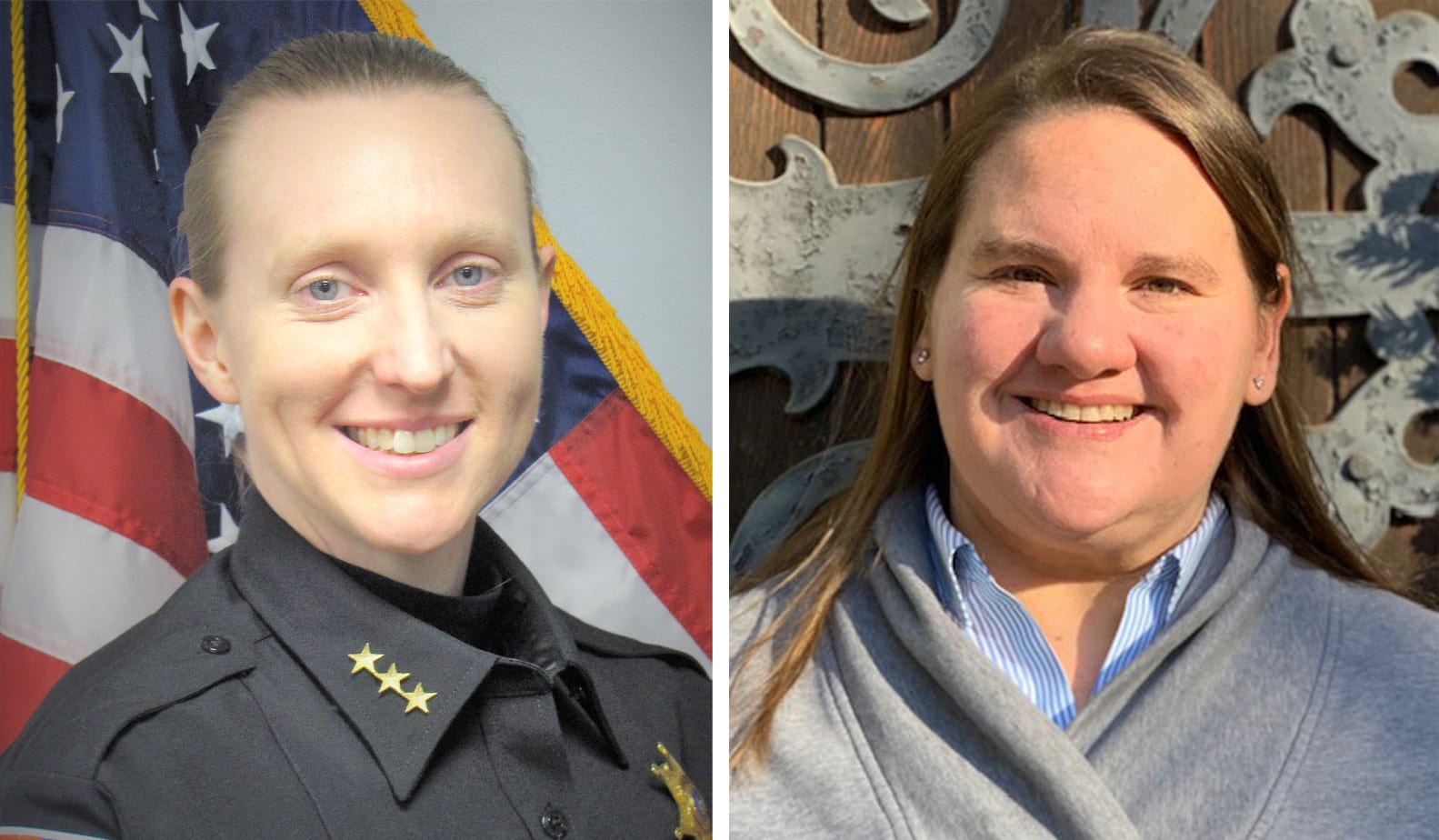
Late last month, Tompkins County administration announced that the newly merged STOP-DWI and Traffic Safety Board is looking for Board members, and the search is already yielding some results.
The 15-member Board acts as an advisory group to the Tompkins County Legislature and is “tasked with both promoting and encouraging highway traffic safety, and to act as the advisory board for the STOP-DWI Program,” according to a recent press release sent out by the county.
“This Board is tasked with focusing on several topics that are important to the community, including work zone safety, pedestrian safety, child passenger safety, bicycle safety, school bus safety, traffic safety legislation, motor vehicle/motorcycle crash and injury reduction, occupant protection, public education, alcohol countermeasures, resource development and traffic calming measures,” said County Undersheriff Jennifer Olin, who recently took on the role of STOP-DWI coordinator.
Prior to the merger, STOP-DWI met every other month to discuss “pertinent topics such as the budget for the STOP-DWI, including county funds and fine collection, enforcement statistics and allotted money for enforcement, opportunities for officer trainings” and more, according to Sgt. Ryan Slocum, who was the Sheriff’s Department representative on STOP-DWI before the merger.
County Legislator Rich John, who is also chair of the Public Safety Committee, has been a member of both STOP-DWI and the Traffic Safety Council.
“The Traffic Safety Council is largely looking at approving grant requests from all the different police agencies in the community and other interested groups to try to apply for state and federal money,” he said. “And it’s the conduit to get that done. They can also look at traffic-related issues, say trying to analyze the areas where we’ve had the most traffic accidents and what’s perhaps causing [it].”
John explained that merging the Traffic Safety Council and STOP-DWI earlier this year was a no-brainer.
“Because they’re both really looking at traffic-related issues, the thinking is, why do we have two separate committees?” he said. “And we could make them more active and certainly give a single committee a broader scope.”
Now that the groups are merged, focus has shifted to recruiting members so the team can get started on various planned efforts. Some of that work will focus on addressing the challenges the pandemic created for traffic safety. Olin explained that the pandemic closings led to a dramatic reduction in DWI arrests over the past year, but there were still staffing and other obstacles that made addressing DWI in 2020 difficult.
“In 2020, of the traffic violations where tickets were actually issued and not just warnings, 57% were dismissed by the District Attorney’s Office and/or the judicial system, resulting in an estimated 12% of tickets actually being adjudicated,” she said. “These facts make it significantly challenging for officers to feel motivated to concentrate on traffic enforcement.”
Olin is expecting the Board to address some of these challenges, helping improve traffic enforcement and safety overall. One planned effort focuses on a fine collection project that was put on hold during the pandemic.
As Slocum explained, for many years, STOP-DWI would be given lists from local and county clerks of people who still owed DWI fines. Multiple agencies would then assist in locating these subjects to ensure the fines are paid. But over time, that method changed, and a new system was developed where a similar list was constructed, but summons were sent to these people with the assistance of local judges. And slowly, “we were told judges were not willing or unable to sign these summons,” he said.
John explained why such efforts were needed in the first place.
“There is a real issue of collection of DWI fines in the community — and we’re not different than anywhere else — because the fines are so high,” he said. “A lot of people just can’t afford to pay them, and they don’t pay them. And so, we have to do collection efforts. And that was another thing that STOP-DWI committee looked at a couple years ago was what do we do about this big backlog of unpaid fines?”
Olin said that as STOP-DWI coordinator, much of her work will focus on fine collection, specifically to fund the STOP-DWI program.
“The STOP-DWI program is supposed to be a self-sustaining impaired driving program,” she said. “All efforts are funded entirely from fines paid by convicted drunken/drugged drivers. No tax dollars are used. The program in Tompkins County has not been self-sustaining for several years now. One of my goals as the new STOP-DWI coordinator is to improve the fine collections process so that we have the necessary funds to coordinate local efforts to reduce alcohol- and other drug-related traffic crashes.”
Since one of the Board’s responsibilities centers around bringing in grants to help pay for new programs, Olin is hoping the Board will bring in the necessary funding to concentrate traffic safety efforts around backroads throughout the county, rather than just the highest-trafficked roads as is done now.
John said that he also expects much of the new Board’s work to center around recent marijuana legislation.
“There are laws on the books already for driving under the influence of drugs. But the prevalence, I think, is almost certainly going to go up with legalization,” he said. “There’s going to be just far more marijuana use, and so, far more people trying to drive after they’ve used it. And we don’t have the testing process for marijuana that’s nearly as involved as for alcohol. And so, while we’re trying to figure that out, there’s got to be a lot of policy decisions made on, how do you address that?”
Following the merger earlier this year, all 15 seats on the Board opened for applications, and many seats remain unfilled (email legislature@tompkins-co.org to apply). One new member, Legislator Shawna Black, shared why she joined.
“This Board combines community safety and discussion around impaired driving,” she said. “Having lost a loved one many years ago to a drunk driver, this issue is personal. I’m also a parent to three children, one of which is on the road now as a new driver. I want to do my part to ensure that our community is as safe as possible.”
Black also works on the county’s Public Safety Committee and said that her work on the committee coincides well with her upcoming work with the STOP-DWI and Traffic Safety Board.
Overall, sources interviewed for this story said that the new board’s work is and will continue to be important for the community, especially with the easing of pandemic restrictions leading to more folks venturing outside and onto the roads.
“We’re always trying to reduce traffic accidents and injuries and fatalities. They’ll continue to happen, but to the extent we can anticipate and plan and make it generally safer, this is really important work,” John said. “Why now? The best time to plant a tree is 20 years ago, but the second-best time is now. Let’s do it, and let’s do the best we can.”
Related Articles
Street Beat: What are you looking forward to in the new year?
We asked five random people. Here’s what they had to say.

5 things to do in Tompkins County this weekend
Plan your visit and discover what’s happening this weekend.