
Pandemic continues to shape county’s workforce landscape
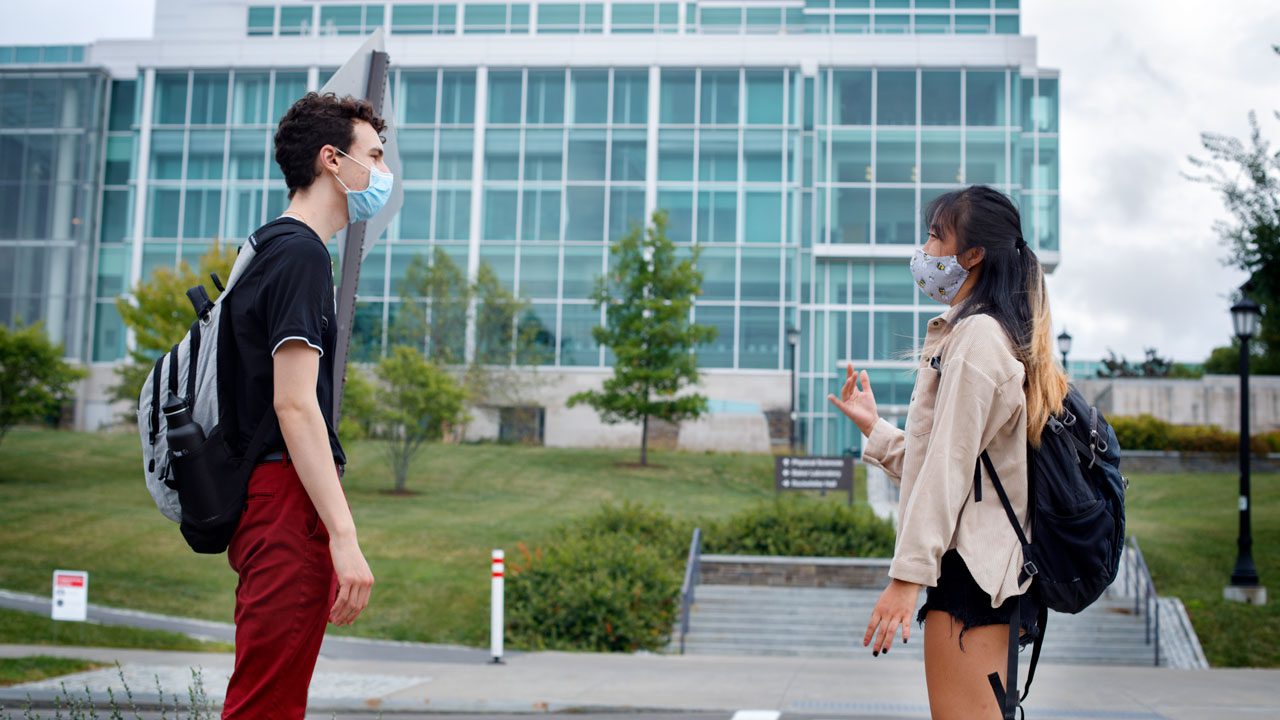
Last summer, Tompkins Weekly explored how the pandemic was shaping the county’s workforce, for better or worse. Last week, the Tompkins County Chamber of Commerce held its annual Economic Summit, and workforce was a big focus. As such, we’re checking back in on the county’s workforce to see what’s changed since last summer. As sources explained, the pandemic has forever shifted the county’s workforce landscape.
Effects
Last summer, the biggest workforce challenge the county was facing was unemployment, with the economic downturn causing many businesses to lay off employees. And even when some things improved, continuing uncertainty meant there were still far more residents looking for jobs than there were jobs available for them to have.
Since then, the situation has eased, but unemployment remains a challenge, as Natalie Branosky, executive director of the Workforce Development Board of Tompkins County, explained at the Economic Summit.
“We had weeks here in 2020 where we saw close to 1,400 people a week making their first claim for unemployment insurance,” she said. “In our region, we’re still quite high. And so, while people are returning to work, there’s still a lot of upheaval here. … March 13, last year, we had 44 initial unemployment insurance claims. These are people who have never claimed unemployment insurance before. At the end of March 13, 2021, we had 160. That’s a lot.”
While unemployment challenges persist, the pandemic has increased job creation in certain sectors like health care and education.
“Think about all of the contact-tracing jobs and all of those frontline health care workers that were necessary through the pandemic,” Branosky said. “We saw a lot of job creation … for logistics, for retail and food delivery.”
Unsurprisingly, Branosky said, the pandemic has decreased jobs in the tourism and retail sectors.
Though there are still many residents looking for jobs, there are also employers who are struggling to find workers, particularly within education. At the Economic Summit, TST BOCES Superintendent Jeffrey Matteson explained some of the difficulties he has faced related to his teachers.
“We’re having challenges getting teachers and staff for our summer sessions because they’re exhausted from the work that they’ve done this school year with the protocols and some of them doing both remote and in person,” he said.
Employees seeing increased stress is not exclusive to BOCES. At the William George Agency (WGA), for example, Alan Macomber, assistant director of human resources, explained that WGA staff already face a difficult job in nonpandemic times, and COVID-19 has increased that stress.
“Working with the population we work with, it can be very emotionally and mentally draining because of the fact that we’re working with some truly high-needs populations here,” Macomber said. “The staff have really had to deal with that, in addition to dealing with the possibility of exposure to COVID and just working through all of that. So, it’s been a real challenge for a lot of employers right now, just to maintain not only a staffing level, but also staff morale in the face of some really challenging times.”
Mary Opperman, vice president and chief human resources officer at Cornell University, said that Cornell is also seeing challenges related to staff members’ mental health.
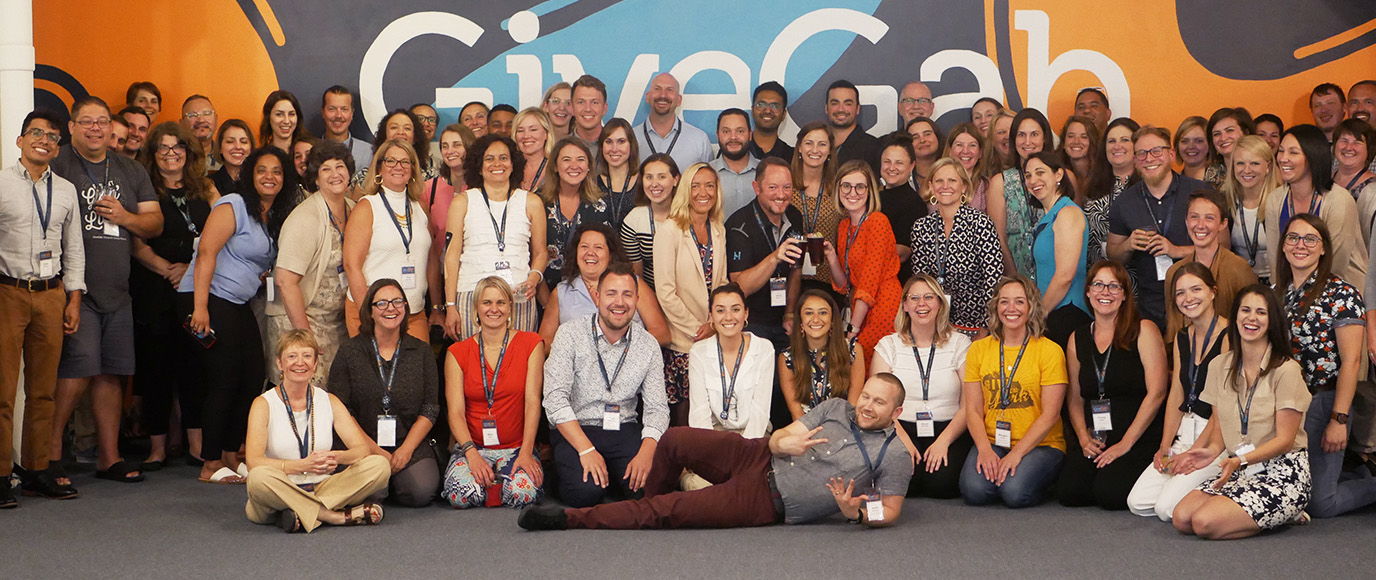
“This remains a challenging time,” Opperman said. “We’re still in a pandemic, and many employees still have children or elders at home that they’re caring for. Others have been living alone for a year, during which most of their activities outside of work are also restricted, and so, we’re hearing about loneliness, isolation and mental health concerns.”
Employee mental health is also a big concern for nonacademic employers like GiveGab. GiveGab, based in Ithaca, has helped thousands of organizations with virtual fundraisers over the past year. As CEO Charlie Mulligan explained, while the pandemic has mostly been good for business — increasing demand for fundraising services — it’s taken quite a toll on GiveGab staff.
“We had a fantastic year, and our employees were super dedicated,” Mulligan said. “But I am concerned about people’s mental health and how this impacts people and what the long-term impacts are on our culture and other things. I feel like it’s strong, but it’s harder to get a sense of that, and sometimes, you don’t notice impacts until a long time later. So, I’m worried about that.”
Aside from mental health aspects, the pandemic has also greatly shifted the definition of a “good job” for many residents. As several presenters at the Economic Summit explained, COVID-19 caused much of the county’s workforce to switch to remote work, and while that switch led to many challenges, it also caused employers and workers to see the value of remote options.
“We’ve known for a long time that working from home or working from a remote location is possible, but now, that way of working is looking more probable,” Branosky said. “People are now expecting … options that allow them to work from home, options that allow them to do work, if the job allows for that, … remotely.”
Current efforts
Research by Cornell and Pathways2Careers, a New York-based company that works nationally and internationally, has helped the Workforce Development Board to better understand the workforce impact of COVID-19, Branosky said, and the research has helped the Board to create solutions that address current needs.
One of the solutions is the Work From Home Excellence Program, which is currently in the very early planning stages. The program is centered around preparing employers and workers for a workforce landscape that prioritizes remote work and flexible schedules.
“What we want to do here is to try to design a collection of tools that can help everybody, so something for businesses, something for team managers and also for those employees who are at home,” Branosky said. “We’re going to need digital platforms to do that. And we’re going to need lots of expertise. So, we’re looking at examples from around the United States and, actually, beyond the United States, for how do you actually upskill employees at home and also manage in a way that benefits businesses of all kinds?”
Branosky said that the Workforce Development Board will also be focusing on growing the green economy by matching people with climate-related jobs. Another big focus, she explained, is in response to growing calls for equity.
“We fully plan to embrace both the economic and the social movements of the moment and take that into the future and really start measuring workforce programs and jobs in terms of race, equity and inclusion,” she said.
To help address these goals, the Workforce Development Board is planning to hire a deputy director of workforce development. For more information about the position, visit tompkinscivilservice.org/civilservice/vacancies.
Looking ahead
One of the biggest efforts on the horizon that could affect the county’s workforce is President Joe Biden’s proposed Build Back Better Plan.
The projected $7 trillion economic and infrastructure package is expected to increase government investment in infrastructure, housing, education, economic fairness and health care. In addition, the plan is projected to create 10 million clean energy jobs, harkening back to Branosky’s focus on environmental jobs.
Branosky and other local leaders at the Economic Summit said that the federal government needs to focus investment in skills training and workforce development, something that has not been covered in past COVID-19 recovery packages, including the most recent American Rescue Plan.
“As a priority, our community colleges need more investment,” Branosky said. “How we think about getting people skilled as quickly as possible needs to be our new credo — our new local belief here — so a way to earn and learn at the same time and get you those microcredentials, get you those short-term certificates.”
Heather McDaniel, president of Ithaca Area Economic Development, added that child care is another area that needs increased investment to support workers.
“Attracting a local workforce, and keeping them here, also requires continued acknowledgment regarding the need for more child care slots across the county,” she said in the comments of the Economic Summit livestream. “If there isn’t sufficient care for young children, families will move elsewhere.”
Mulligan said that beyond government investment, the county will have to work together to help support its workforce throughout 2021.
“I have an enormous amount of faith in people, and human beings are really smart,” Mulligan said. “And I think people have been doing all kinds of things to adjust to this that hopefully, when this is over, there will be a lot of types of better ways to do things that will make things even better when we get out of this. So, I don’t know if it’s the government that can solve the problem. I think it’s all of us together, which includes the government.”
As far as what county residents can do, sources interviewed for this story encouraged folks to continue showing the resiliency the county has shown throughout the past year.
“One of the biggest challenges right now is probably that people are fatigued and they want to get back to ‘normal,’” Opperman said. “They want to go to the office and see their colleagues, or take time off and visit with family. But now isn’t the time to relax our health and safety measures too quickly. More and more of our workforce are becoming eligible to be vaccinated, and we are encouraging those who are eligible to do so.”
Macomber shared that sentiment.
“People need to just keep staying the course and keep a good attitude about this and just work through it,” Macomber said. “It’s a challenge for everybody, and it puts a lot of strain on people. But at the end of the day, I think it’s important that we all try to work as well as we can together. And we do that, I think we’ll be OK.”
Related Articles
Cayuga Medical Center nurses to rally, alleging anti-union tactics by hospital management
CMC nurses plan a rally, alleging unsafe staffing and illegal anti-union tactics as the hospital highlights recent patient-safety gains.

AmeriCU proudly connects students with annual scholarship opportunity
AmeriCU scholarship program awards $1,000 to students pursuing college or vocational education. Applications are open through March 15.
Street Beat: What’s one of the best holiday gifts you ever received?
We asked five random people. Here’s what they had to say.