
Pandemic rocks tourism industry, complicates recovery
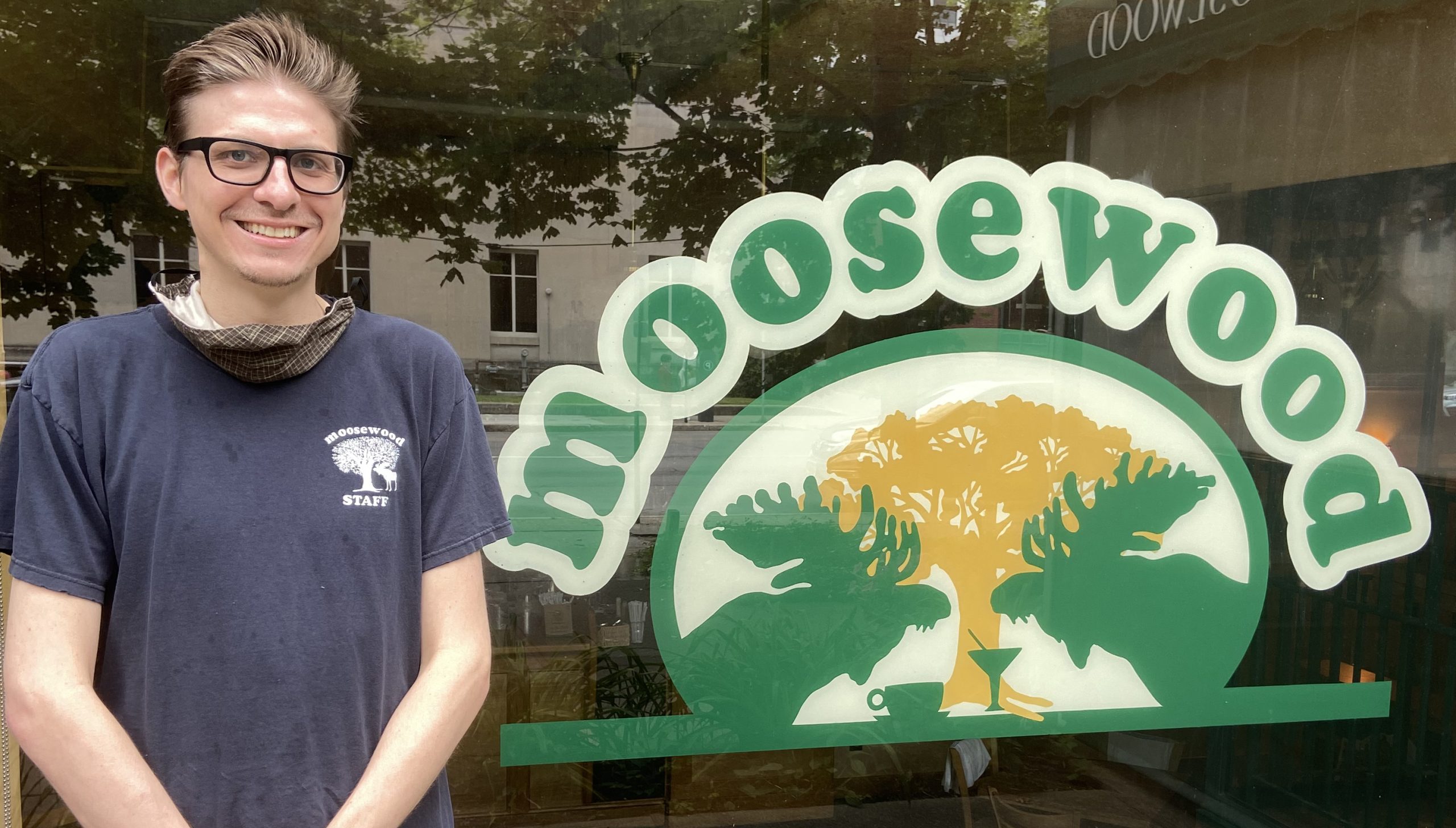
Timothy Mooney, chef at Moosewood in Ithaca, has worked at the restaurant for roughly 15 years. It didn’t take him long, though, to understand Moosewood’s clientele and its history in the county. While Moosewood is a favorite among many residents, its biggest business comes from tourists, traveling from May through October.
“We probably do about three quarters of our business during that period, and we really rely on it to keep ourselves afloat, and then when we go through the winter, we do our best to keep costs down and get through the winter,” Mooney said.
But, as it has done for nearly everyone in the county, COVID-19 hit and changed everything. After the pandemic shut down indoor dining and Moosewood struggled with the takeout/delivery format, the collective at Moosewood decided on a new approach.
“Because we’ve been around for 47 years, that kind of felt like it was relaunching a restaurant,” Mooney said. “We decided to do our best to just keep putting one foot in front of the other and see what kind of business model we could get going off of the new world under COVID.”
Moosewood isn’t alone in its struggle. As safety concerns decrease travel and shut down traditional tourist attractions, businesses that rely on tourism like Moosewood are facing uncertainty and a host of challenges trying to navigate what will be a very different summer season for many.
Like many issues Tompkins Weekly has tackled since COVID-19 hit, tourism was greatly affected by the initial wave of shutdowns. Gary Ferguson, president of the Downtown Ithaca Alliance (DIA), explained why tourism got hit so hard by the pandemic.
“Downtown Ithaca has four major hotels with 578 total rooms, plus two inns … that bring the total number of rooms up to around 600,” he said. “COVID-19 decimated these properties, reducing occupancy rates in April by 80%. This loss of traffic hurts not just the hotel properties, but also food and beverage businesses and retailers who come to depend on sustained overnight guest traffic.”
In addition to overnight stays, Ithaca and Tompkins County benefits from day-trip tourism, Ferguson said, which decreased due to social distancing and safety requirements. In downtown Ithaca, this decreased floor traffic by nearly 90% in April.
As a result, those local businesses have faced many challenges since March.
The largest challenge was finances. Laura Winter Falk, president and co-owner of Experience! The Finger Lakes, can speak to this first hand. Being a tour company meant that Experience! had to cancel its tours immediately after COVID-19 hit, stopping business “in its tracks,” as Falk described.
“The first thing that we had to deal with was the situation of having a lot of stuff on the books for April and May and in early June that we could not deliver on,” she said. “[I was] communicating with people who are customers already booked on these experiences and telling them what the situation was and that, as long as these places are closed, we’re not going to be able to offer them.”
Hotels and motels, too, were hit with immediate reservation cancelations and subsequent refunds. As Mark Grimm, co-owner of Grayhaven Motel in Ithaca described, even when the initial shockwave settled, business is not what it used to be this time last year.
“COVID-19 hit hard, and basically all of our spring and summer reservations were canceled within two weeks of the shutdown in March. It was pretty devastating,” Grimm said. “We are slowly seeing an uptick in reservations but nothing compared to our typical high season/summer capacity.”
And it’s not just the lack of travel affecting finances for businesses; it’s also the safety requirements that create a significant decrease in occupancy levels, as Rose Hilbert, owner of The Inn at Gothic Eves in Trumansburg, can attest.

“We have very strict guidelines of what we’re following for ourselves to keep my customers and my staff safe and myself, so part of the decrease in business has to do with closing the room down after someone stays,” she said. “I try to at least make it two days, if I can make it, three days [before booking the room again].”
Managing safety protocols is also a challenge for area parks, which are drawing more tourists as the weather gets warmer. Fred Bonn, Finger Lakes regional director of the New York State Office of Parks, Recreation and Historical Preservation, said park staff and management have had to manage parking lot capacity and, in some cases, institute one-directional hiking on trails.
“Parks have been very popular places, and with good weather, people want to be outdoors and more active,” Bonn said. “Balancing how popular parks are with new operational requirements has been demanding on our staff, but I think we have done an exceptional job due to their commitment and dedication to making our spaces safe and accessible.”
Many other sources credited their employees for taking many of these challenges in stride, like La Tourelle Hotel and Spa in Ithaca.
“The biggest thing for me is that I’ve got a great team that is willing to take those things on with us and taking it in stride,” said General Manager Cameron Ostmeier. “It is the essential employees that are allowing us to reopen successfully.”
That appreciation is why many sources expressed a concern for their staff’s safety, as tourists could cause a spike in new cases. And that possible spike leads to a different concern – another wave of shutdowns.
“If we were to be asked to shut down, there is a lag,” Hilbert said. “So, I would have to give all my money back again to people because I couldn’t be open, maybe, and then telling everyone to cancel them, give them all their deposits back. Right now, I’m living on them. Then, I’d have to give it all back again.”
Hilbert isn’t the only one concerned for the future. The Dorm Hotel, an upcoming hotel that started construction last year and at the time expected to open by last March, is facing considerable uncertainty after COVID-19 significantly delayed the project.
“I think my biggest concern is what the actual landscape is going to be like for when we open,” said owner Robert Poprawski. “Perhaps the thing that we’re going to be relying on going forward is just going to be people visiting it on the weekends and using a car versus flying. And so, the potential customer base has been drastically slimmed down to a very small amount of people.”
While the long-term effects of COVID-19 are largely unpredictable, sources voiced a few strategies to help the tourism industry last through and bounce back from the pandemic. While many voiced support for current assistance programs, more financial investment is still needed.
“Whether it’s at the state level, the federal level or the local level, … I hope that something will come about to help keep service industry people going through [this], supporting the people who’ve lost their jobs or keeping the restaurants who are struggling afloat during this time so that they’ll still be there when things come back,” Mooney said.
And another crucial part to this is on tourists and residents to continue to be vigilant in preventing the spread of the virus.
“We’re a community that’s smart, responsible and generally understands the role the government has to play in reducing the spread,” said Thomas Knipe, deputy director of economic development for the county. “We’re working on trying to make sure that that message around mask wearing and social distancing and following the protocols and keeping each other safe continues because that’s what we need to do to keep it that way.”
Sources interviewed for this story agreed that COVID-19 has had a profound effect on the tourism industry and will continue to affect it for many months to come. Even when the pandemic fades, many will still be reluctant to travel, explained Mark Dorr, president of the New York State Hospitality and Tourism Association.
“The negative thing is going to be building back trust in the traveler, making sure they’re confident that when they come to a hotel or amusement parks or an attraction that they are safe and secure and everything’s being taken care of to the best of their ability to keep them from getting sick,” Dorr said.
But the pandemic has also presented the industry with an opportunity to adjust practices and find creative solutions, as Grimm described.
“This could be viewed as an opportunity to push bicycle lanes/trails, expand the Black Diamond Trail, rethink local business structure, expand the arts, etc.,” he said. “These are activities all sorts of people can enjoy without deep pockets and without too much close contact with each other. It offers a chance to consider as a community how much we have to offer and how to creatively share that appeal with a broader audience.”
Ultimately, it is this community’s continued resiliency – from leaders, businesses and residents alike – that has encouraged many to take these changes in stride and be hopeful for what’s to come.
“Ithaca and Finger Lakes, we’re going to come through this just fine,” Falk said. “It all comes down to the businesses being businesses who are willing to evolve and adapt and then most importantly, keep people safe.”
Related Articles
Cayuga Medical Center nurses to rally, alleging anti-union tactics by hospital management
CMC nurses plan a rally, alleging unsafe staffing and illegal anti-union tactics as the hospital highlights recent patient-safety gains.

Dryden Fiber looks back on another year of service
Dryden Fiber reflects on a year of growth as the municipal internet provider expands service across Dryden and Caroline.
Cayuga Medical Center improves patient safety score
Cayuga Medical Center Leapfrog Grade rises to “B,” showing improved patient safety and nursing care quality.