
Pent-up demand to help tourism industry recover
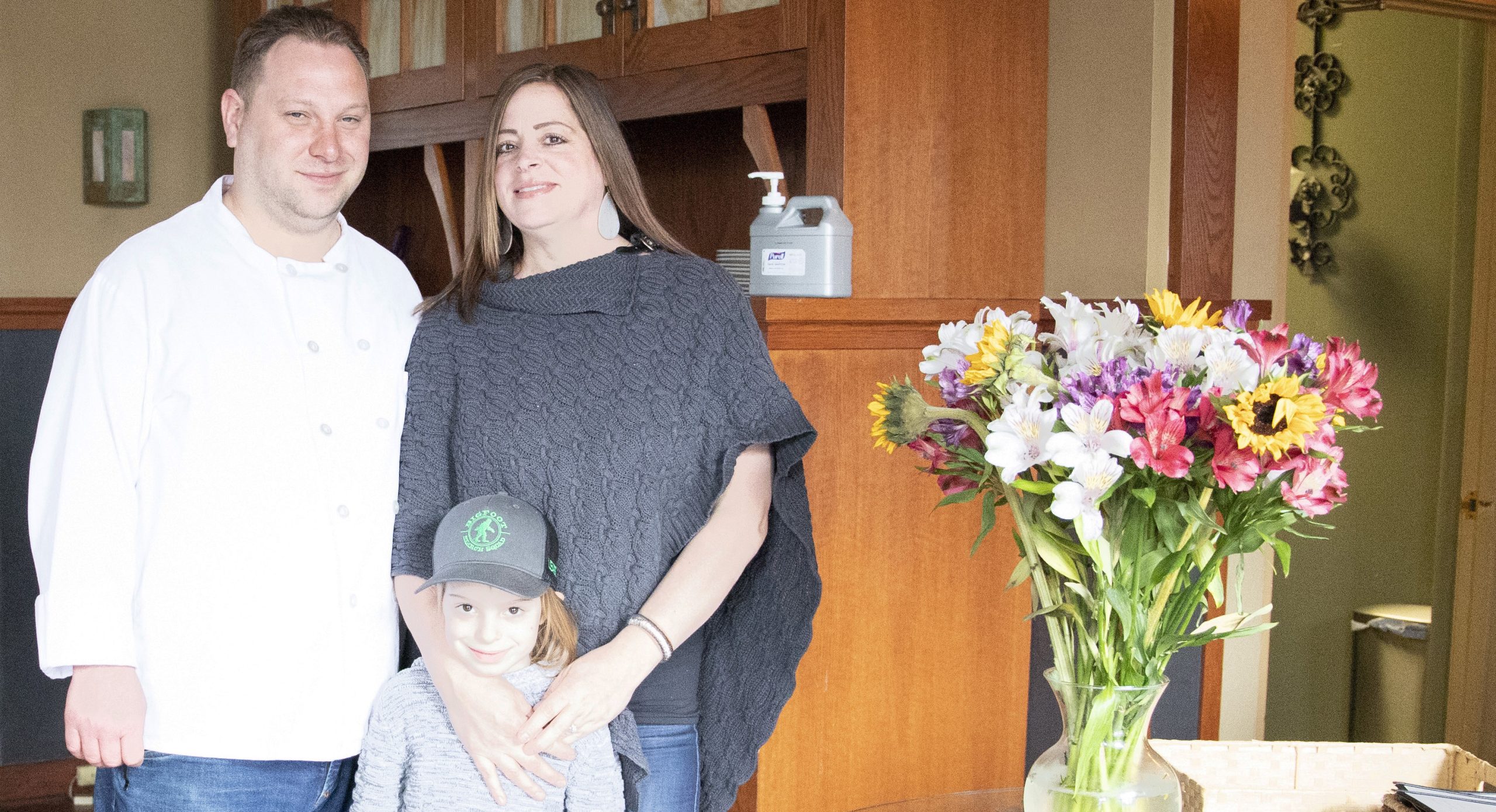
Last December, Gola Osteria in Ithaca had to shut down for about a month due to the owners, Sam Epps and Kami Drake, contracting COVID-19. The rest of 2020 was already challenging enough, but closing down for such a long stretch in December was an especially hard blow.
“Two weekends for our entire city last year was graduation,” Drake said. “It brings millions of dollars into our community and to local businesses, and especially restaurants. And we missed that last year.”
Though Gola Osteria doesn’t entirely rely on tourism for its revenue, the loss that came from missing out on a big tourism month shows just how important tourism is for county businesses and residents. For some, tourism has helped them survive 2020, and for others, the lack of tourists has been outright devastating.
The last time Tompkins Weekly chronicled the challenges facing the tourism industry due to the pandemic was last summer, and since the Tompkins County Chamber of Commerce’s Economic Summit last month touched on the importance of tourism to the county’s overall recovery, it’s a good time to revisit the industry to see how far we’ve come and how far we still have to go.
Effects
The pandemic’s effects on the tourism industry vary considerably depending on who you ask, as Gary Ferguson, executive director of the Downtown Ithaca Alliance (DIA), summarized at the Economic Summit.
“You could have businesses side by side, one having the best year of their career, next to one that’s having the worst year of their career,” he said. “Not by geography, but by business type. It really depended on what you were selling and what you have to offer.”
Sources interviewed for this story show that disparity. In general, outdoor experiences have seen increased demand, while indoor offerings have seen decreased interest from tourists. As a result, businesses like restaurants have struggled to stay afloat. At Simeon’s American Bistro on the Commons, for example, owner Dean Zervos explained that the restaurant has continuously faced issues related to staffing.
“Being opened has been not a challenge, just a lot of work because being short-staffed and not being able to find staff has been our, and many of the other restaurants on the block, problem,” Zervos said at the Economic Summit. “We haven’t been able to have enough staff, so everyone who is working is working hard and a lot of hours.”
Event-based businesses have also faced increased challenges due to the pandemic’s effects on tourism. Weddings, for example, have frequently been postponed throughout the past year to later and later dates as people hope for fewer gathering restrictions when the big day finally comes.
Mark Dorr, president of the New York State Hospitality and Tourism Association, explained why weddings decreased substantially last year due to the pandemic, particularly in New York.
“The states surrounding New York have opened up quicker,” he said. “People that are looking to do weddings, if they’re anywhere near a state that’s adjoining, are just getting in the car and going to a different state. … And the guidance, while increasing, isn’t increasing enough for anybody to really make a profit on it [for] their business.”
The increased focus on remote work greatly decreased business travel, as Cathy Hart, general manager for Ithaca Marriott Downtown, described.
“Our business travel has not returned at all,” she said. “Typically during the week, any business that we have is construction-related because there is so much development going on in Ithaca, … but it’s like a roller coaster here. We go from 20% occupancy on a Monday to 100% on a Friday, Saturday.”
While almost everybody in the tourism industry has been negatively affected by the pandemic, the effects are significantly less severe for outdoor opportunities. Area parks, for example, have seen plenty of traffic over the past year.
“The interest in people spending time in parks has continued to be incredibly strong, and as we worked through the winter months, there were days here at Taughannock — with the gorge trail being open year round — where we saw the facility very highly used,” said Fred Bonn, Finger Lakes regional director of the New York State Office of Parks, Recreation and Historic Preservation.
The switch to virtual offerings and smaller gatherings has been a pleasant change for tour business Experience! The Finger Lakes. President and co-owner Laura Winter Falk switched to smaller tour sizes last year and plans to keep them small even after the pandemic is over.

“To this day, we no longer take any more than six people on our tours,” she said. “It provided such an amazing experience in terms of really, fully expressing what our tour company has always been about in terms of really elevating everything up to an even higher level than we’ve ever had.”
The increased regulations even helped to boost tourism revenue at some businesses, like Ithaca Beer Co.
“Tourism is really what got us through this pandemic,” said co-owner Mari Mitchell. “We’ve never really seen anything like this before where our locals holed up and they really were being careful with the virus and not coming out. And so, a lot of the business we did see was tourists popping through.”
Current efforts
Many at the local level, including the DIA and Visit Ithaca, have made addressing tourism challenges a top priority when it comes to helping everyone recover from the pandemic.
Last year, the DIA — along with the city of Ithaca, Tompkins Chamber and Local First Ithaca — launched Ithaca Promise, a commitment between the four partners to follow strict safety measures to make residents and visitors feel safe enough to travel.
More recently, the DIA reopened the Aurora Streatery, which closes Aurora Street to vehicle traffic to allow more outdoor dining space for restaurants along Restaurant Row downtown. Visit downtownithaca.com for more information.
Meanwhile, Visit Ithaca is currently working on a campaign aimed at those ready to travel and just looking for a place to travel to.
“We need heads in beds and bottoms in seats and money in cash registers,” said Peggy Coleman, vice president of tourism and community relations for Visit Ithaca. “There are so many of our businesses that are so dependent on tourism, not just our hotels. Our restaurants, especially, are hurting, and our retailers. And so, we had been researching an opportunity for a campaign like this. We’re calling it Retreat to Ithaca.”
Retreat to Ithaca specifically targets those who have either traveled recently or who plan to travel so that there’s a high rate of conversion between people seeing the message and actually booking a trip to the county, Coleman explained. Go to visitithaca.com for more information on Visit Ithaca efforts.
Another project underway that is set to affect the tourism sector is the downtown conference center, which was recently given the go-ahead last month.
Coleman said the center could potentially create $150 million in new economic activity over the next couple of decades. Tom Knipe, deputy director of economic development for the city of Ithaca, added that the center’s opening will likely come at a good time for boosting recovery.
“We think that, by mid-2023, that’ll be good timing for the return of group travel,” he said. “And we will have a brand-new, beautiful conference center adjacent to hundreds of hotel rooms downtown and in the broader citywide to support the lodging industry and the recovery of the lodging industry and the overall tourism industry as we continue to climb out of the downturn in the hospitality industry that’s been caused by the pandemic.”
Looking ahead
Moving forward, sources agreed that there is a pent-up demand for travel as folks stuck inside for over a year are looking to take advantage of loosening restrictions to finally take a vacation. That’s exactly why so many leaders are focusing on tourism, and as Knipe explained, tourism’s recovery is important for the whole county.
“Our restaurants, our theaters, our parks, our arts and culture organizations, our events and festivals, all of those things, as we knew them prepandemic, would not really exist the way that they exist without tourism,” he said. “So, the recovery of tourism is critical to the recovery and the rebuilding of all of those quality-of-life assets that we all enjoy as local residents.”
While many efforts to boost tourism are focused outward, sources said there are still ways residents can help. The biggest way is to continue following safety protocols, which helps the county to remain a relatively safe place for visitors to travel to. And recognizing the importance of tourism will go a long way, as Coleman explained, as residents’ welcoming of visitors can have a positive effect on residents and tourists alike.
“We are encouraging our visitors to embrace our culture of safety, to keep our residents safe and to keep each other safe,” Coleman said. “But we also need to make sure our residents become and remember the welcoming, warm folks that they are, to not fear visitors coming back to our community and to have faith that, by these visitors coming back and embracing our culture, we will all be safe.”
Related Articles
Cayuga Medical Center nurses to rally, alleging anti-union tactics by hospital management
CMC nurses plan a rally, alleging unsafe staffing and illegal anti-union tactics as the hospital highlights recent patient-safety gains.

AmeriCU proudly connects students with annual scholarship opportunity
AmeriCU scholarship program awards $1,000 to students pursuing college or vocational education. Applications are open through March 15.
Street Beat: What’s one of the best holiday gifts you ever received?
We asked five random people. Here’s what they had to say.