
REACH Project launches community outreach worker program
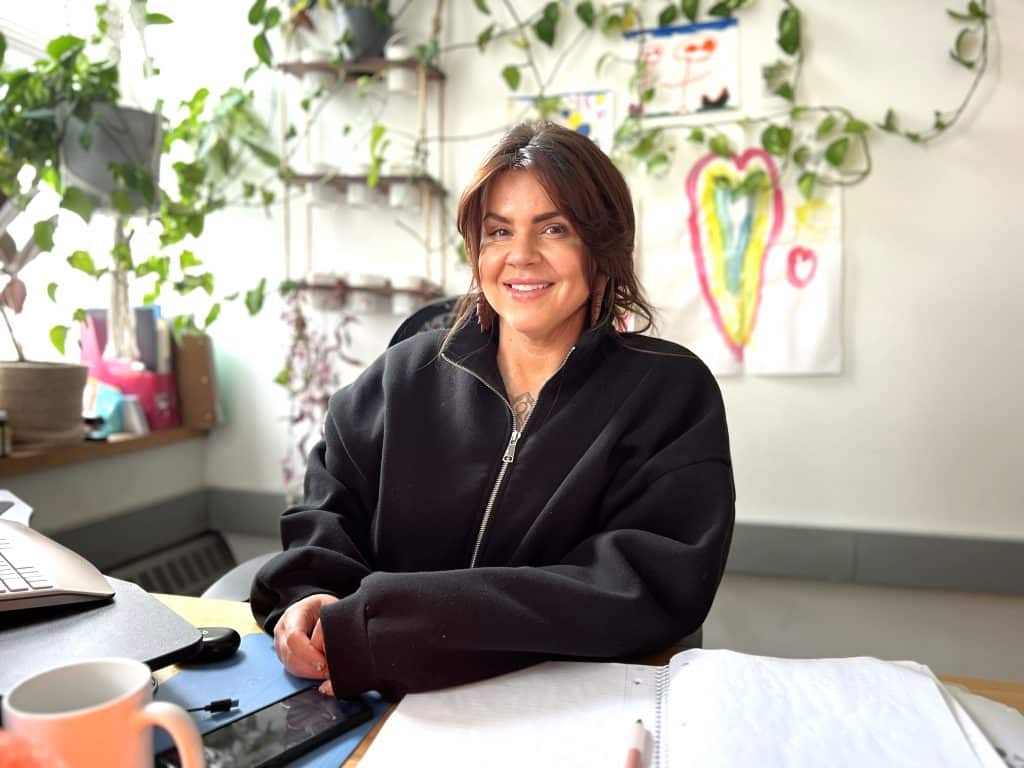
On a recent afternoon in her office in Ithaca, Samantha Stevenson, director of operations for local nonprofit REACH Project Inc., said REACH is proud to be the provider for the new Community Outreach Worker Program in downtown Ithaca, which launched March 27.
Samantha Stevenson, director of operations for local nonprofit REACH Project Inc., has a public health background and comes from the world of radiology. “I never felt it was the right fit for me,” she said of her previous career.
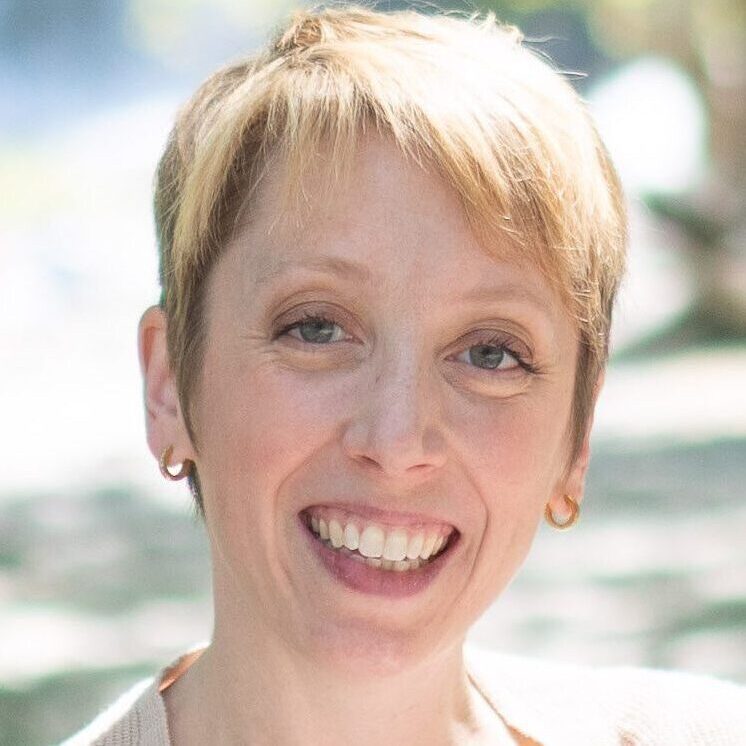
Stevenson moved to Ithaca in 2018 when she accepted her role at REACH, which believes as part of its mission that all individuals deserve respectful, equitable, access to compassionate healthcare in a setting where they will not be stigmatized or judged based on drug use, homelessness, or any other issue that may cause less than adequate care in today’s healthcare environment.
“I think as someone who spent a lot of years in administration for traditional health care settings, I had a deep understanding of the inequities of the barriers in health care and lack of access that a large portion of our population faces that results in them getting poor health care or limited access to health care, and it’s my life’s work to address that,” she said.
Tompkins County Whole Health recently announced the launch of a new Community Outreach Worker program in partnership with REACH and the city of Ithaca.
Beginning March 27, REACH community outreach workers will be stationed in downtown Ithaca, Monday to Friday, from 9 a.m. to 5 p.m., with clinical backup available until 8 p.m. The hours and days are subject to change, based on community needs.
“There are so many people out and about who get the police called on them for not fitting into societal norms, and a lot of that is stigma,” Stevenson said. “A lot of our mission is to end the stigma around all of that.”
The funding for the program is part of a continued commitment between Tompkins County and the city of Ithaca to improve health equity and meet the health-related social needs of the community, with a contribution of $65,000 from each entity for a total of $130,000 to fund the pilot program.
“I’m really glad that REACH is the partner for this program,” said Dominick Recckio, deputy city manager of the city of Ithaca. “It’s a really natural fit, and I think that to me that’s the most apt piece.”
The program will provide assistance to individuals who are experiencing non-imminent mental health crises, with no evidence suggesting a severe medical condition or an imminent risk of harm to self or others.
Outreach workers will respond to concerns regarding individuals who appear distressed or are seeking support due to homelessness, substance use or co-occurring mental health disorders, and other chronic or immediate stressors.
Program staff will provide de-escalation and emotional support, food, clothing and other basic need items, as well as connections to resources and services to help resolve chronic or immediate health-related social needs.
Program staff will also engage with community members in downtown Ithaca to promote welcoming, inclusive, accessible and cohesive public environments for all stakeholders.
The community outreach workers can be reached by call or text message at 607-317-0100, or by email at commonsoutreach@reachmed.org. The phone is a direct line that can receive HIPAA-compliant texts.
The outreach workers are currently busy making connections with people downtown. Letting people know that the program is back up and running is crucial to its success, said Nan Rohrer, chief executive officer of the Downtown Ithaca Alliance, an organization that also partnered on the project.
“The really key piece is with business and property owners,” Rohrer said, adding that the response from local businesses to the program starting up again has been very positive.
“They believe very strongly that not everything that happens might warrant a police response, but instead someone with a different set of skills — criminal activity is very different from someone experiencing a mental health crisis or some of life’s other challenges.”
“We very much recognize that the police have a lot on their plates that only they can deal with,” she added.
The program is resuming following an extensive solicitation process for the provision of mobile supportive services that began in February 2024.
REACH Medical, the REACH Project’s low-threshold harm reduction medical practice in Ithaca, was awarded the contract to oversee the program and will provide community outreach and non-life-threatening crisis response within the city of Ithaca for a one-year pilot period. In addition to the number above, people can call REACH at its main line — 607-273-7000, ext. 120 — when they see an individual in the downtown area who appears to be in need of assistance.
“Because of REACH’s long-standing experience doing this outreach work, we have meaningful and successful relationships with some of the most vulnerable community members in Tompkins, and we take that seriously,” said Stevenson.
REACH has 10 outreach workers throughout Tompkins County.
“Our employees at every level of care are really dedicated to making sure our community members have all the resources that they deserve,” Stevenson said. “It is an organic expansion of our services, in some ways.”
“The program is largely a response program,” she added, explaining that the two case managers are not themselves providing direct care in most cases; their job is to link people in need to groups that can then provide the appropriate services. The outreach workers are trained in methods of de-escalation and triaging people by way of talking to them in a trauma-informed manner to learn what their needs are.
“They can facilitate a very warm handoff,” Stevenson said.
Harmony Ayers-Friedlander, deputy commissioner of mental health, said outreach workers’ knowledge of area organizations and the services they provide is crucial for those successful warm handoffs.
“That’s what we call it in the field when you go to a doctor, let’s say, and the doctor says, ‘You know, you really should see a specialist; they’re right down the hall. Let me take you there, and you can meet the person,’” Ayers-Friedlander explained. “And then you feel more comfortable, and you’re going to go and get services with that other person because someone personally linked you. … It’s important that all the outreach worker programs know what everyone else is doing so that they can make strong, accurate linkages.”
The program aligns with plans included in the local Reimagining Public Safety initiative to provide alternative responses and wraparound services to community members in need.
“This program will support city and county residents in accessing a broad array of critical services and resources already embedded within our community,” said Ithaca City Manager Deb Mohlenhoff. “The city of Ithaca values this continued partnership with Tompkins County and the Downtown Ithaca Alliance to bolster community support and looks forward to supporting REACH.”
The program may expand after the pilot, said Ross Milne, public health graduate fellow with Tompkins County Whole Health.
“We want to assess what kinds of situations and crises are people experiencing, what kinds of supports are they asking for, what linkages are we commonly making,” Milne said, “so that in the next iteration after this pilot period we’re able to take that information forward and address any gaps, barriers or needs that we didn’t anticipate right now.”
To learn more about TCWH’s mental health services, visit https://www.tompkinscountyny.gov/health/mh.
To learn more about REACH’s program, go to https://www.reachprojectinc.org/.
Author

Related Articles
Street Beat: What are you looking forward to in the new year?
We asked five random people. Here’s what they had to say.

5 things to do in Tompkins County this weekend
Plan your visit and discover what’s happening this weekend.