
Regional Access spreads the word about better food
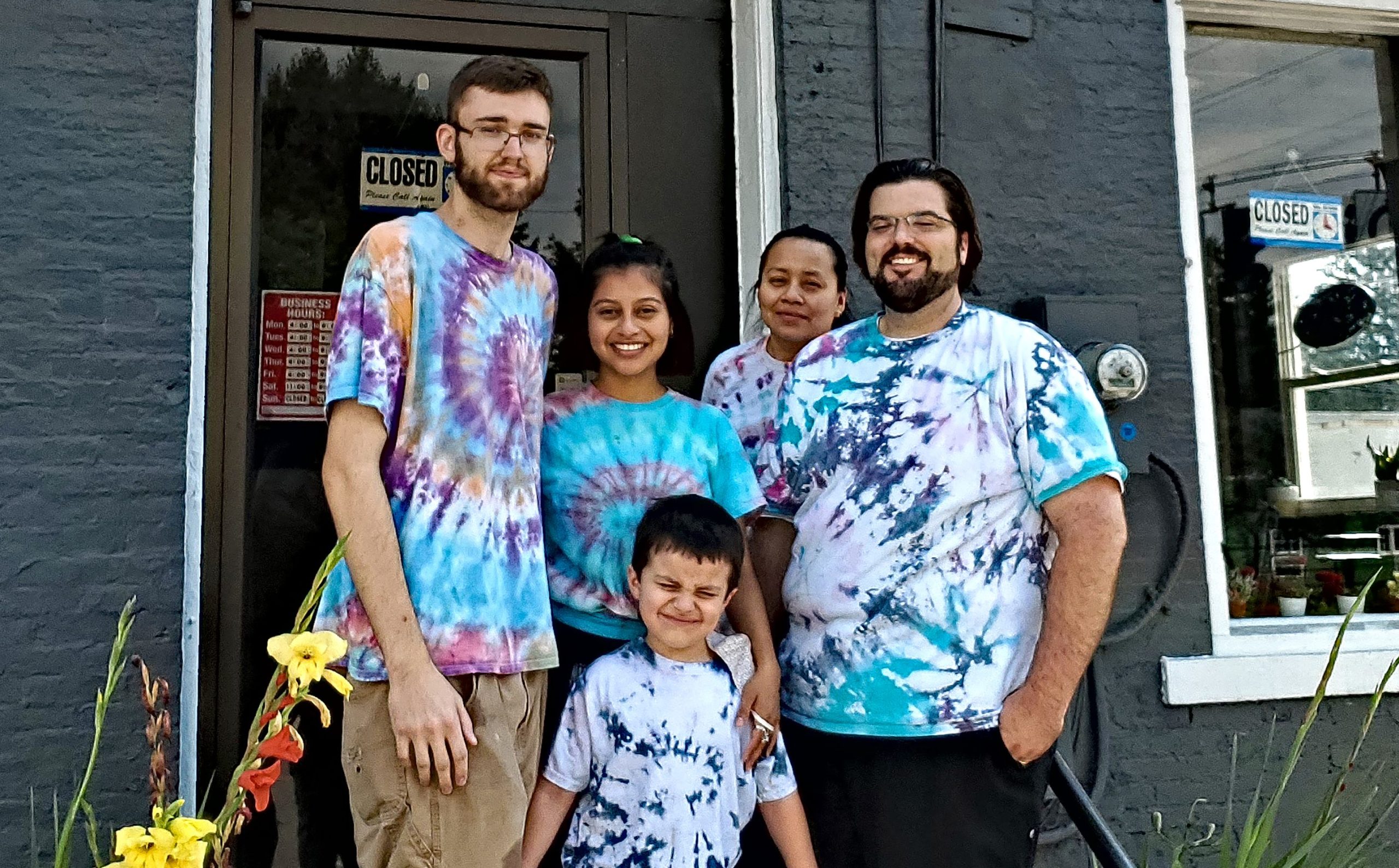
Unadorned by flashy logos or colorful signs, an unassuming warehouse sits along Trumansburg Road in Ithaca.

Many who pass by the building daily would be surprised to learn that it houses an important cog in the local food system, a company that has been promoting and distributing New York state agriculture for more than 30 years. But as they say, if you know, you know. The farmers, restaurants and retailers who work with Regional Access are aware of and grateful for the services it provides.
President Dana Stafford said the company has a knack for staying under the radar.
“Those who know us, know us well,” Stafford said. “Each community has a core group devoted to quality, wholesome foods. We cherish and build off those relationships that have developed over the years.”
Founded in 1989 by Cornell University grad and farmer Gary Redmond, Regional Access was based on his vision of “providing better food to the widest possible audience.” According to the company website (regionalaccess.net), Redmond had struggled to find outlets for his own organic produce and knew that he was not alone in this.
Through his work with cooperatively owned natural food distributor Clear Eye Foods in the ’70s and ’80s, Redmond became familiar with the fierce competition and inequities inherent in the system. Redmond committed himself and his company to the support and promotion of local producers with the goal of supplanting conventional, commodity foods with clean, local products whenever possible.
Stafford, who took the reins after Redmond’s untimely death in 2011, carried on that mission. He’s found that sometimes it is best accomplished by introducing a new product to the market slowly — exposing, educating and easing in.
“Take flour, for example — one of our largest sellers,” Stafford said. “Commercial bakers started using a small percentage of organic flour in their recipes. As they learned to love the product and became more comfortable with it, their use increased.”
One of Stafford’s favorite parts of the job is helping small businesses get off the ground, serving as a mini incubator and making connections. He cited two local examples — Emmy’s Organics and Ithaca Hummus.
“Our drivers pulled some of their first cases out of basements and helped get their products to distributors in the metro area,” Stafford said. “We get people together. Sometimes, it works really well. That is where I have fun.”
It’s a recipe that works. From those early days in Redmond’s Trumansburg garage, Regional Access has grown to encompass New York, New Jersey and Massachusetts in its distribution area. Their 30 employees work from that unobtrusive warehouse to pack and deliver everything from their own in-house brand of meat and eggs to seasonal produce, kombucha and other prepared foods. Regional Access also provides a freight service for area wines and spirits.
“We developed our Red Gate Grocer line to create consistency in labeling and product standards,” Stafford said. “We work with a group of farmers who operate under our branding, while we provide consistent marketing for retailers. Our egg suppliers package at their site using our materials. Our major pork and beef growers are located across the street from the processor that we use, limiting the need for the inhumane transport of animals.”
Regional Access takes on new products based on a complex decision tree. Most suppliers who apply for distribution meet the initial hurdles of being clean, organic and/or sustainable, but there are other factors to consider.
“We love most of the products we are approached with, but there is a limited amount of focus and attention we can bring to the table,” Stafford said. “To be fair and transparent, we’ve got to consider how it fits into our product mix. Is it something we are lacking? Does it make sense financially at the volume we can expect to sell?”
Low-impact packaging is something else that Regional looks for.
“Before the pandemic, we were very close to deciding not to sell individually packaged items. That, obviously, didn’t happen,” Stafford said. “I still have dreams of doing some full-circle packaging down the line. Ithaca would be a perfect test market for that type of reusable product.”
Sometimes, a product is just unique and exciting or of such exceptional quality that it stands out. One of the newest offerings by Regional fits into this category — “snapchilled” coffee sold in cans from Ithaca’s own Copper Horse Coffee.
According to Regional’s website, “this coffee is brewed hot and chilled in seconds” using a new technology developed by Elemental Beverage Company to preserve the complexity of flavors without dilution or additives.
“We have a new micro-cheese producer coming on in the next couple of weeks,” Stafford said. “Salvatore BKLYN makes fresh ricotta and cream cheeses down in Brooklyn. Carl Batts, the managing partner, was a food scientist and professor at Cornell for 30 years, so we’re really excited to bring him on board.”
Problems and delays both up and down the supply chain were unavoidable during the pandemic, but being small and local helped Regional respond appropriately.
“The impacts on labor and transportation have compounded to create an interesting mix of issues in our food system,” Stafford said. “In the early days of the pandemic, things just went nuts. There was a run on food and talk of a food crisis. We could have sold everything in the warehouse at peak prices, but instead, we pumped the brakes.”
Regional has always had a customer pick-up business at the warehouse. In response to customer need during the pandemic, that was expanded to include a Regional Home Delivery service. Individuals can set up an account and order online for delivery within the service area.
“The van delivery service is something we will continue; in fact, we are revamping our website to make it more user friendly,” Stafford said. “We are breaking things down into smaller quantities to make it more accessible for people.”
Stafford said that Regional has lost some local restaurant business as eateries have had to cut corners to stay afloat. While he is sad to lose their business, he certainly understands the predicament restaurants face and will welcome them back when times improve.
“One of the lessons that came out of the pandemic is the extreme value in small establishments and communities,” Stafford said. “It has been heartwarming to see people gravitate toward those businesses and support them in ways that may have been more casual previously. Let’s hope that sticks.”
Related Articles
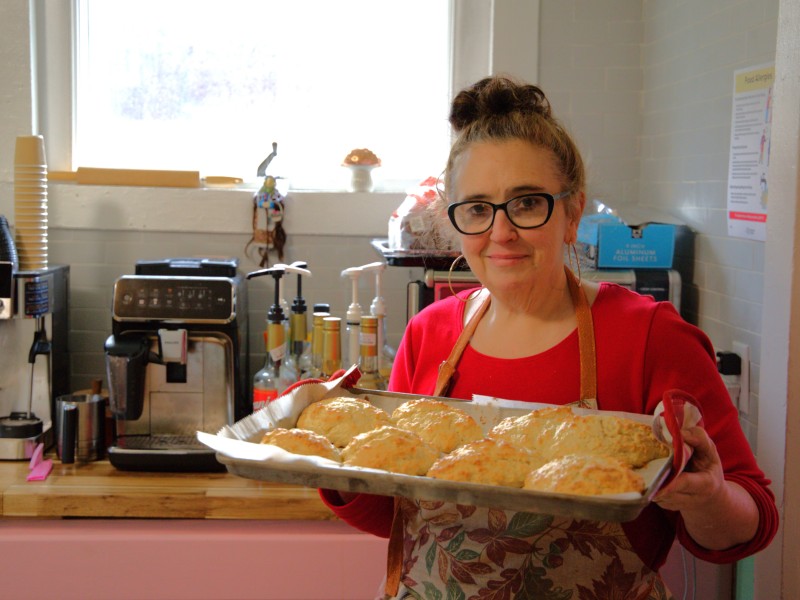
New bakery and coffee shop brings community and homemade treats to Newfield
Morning Moon Coffee and Bakery opens in Newfield, offering homemade treats, coffee and a cozy community space run by Amy Heffron.
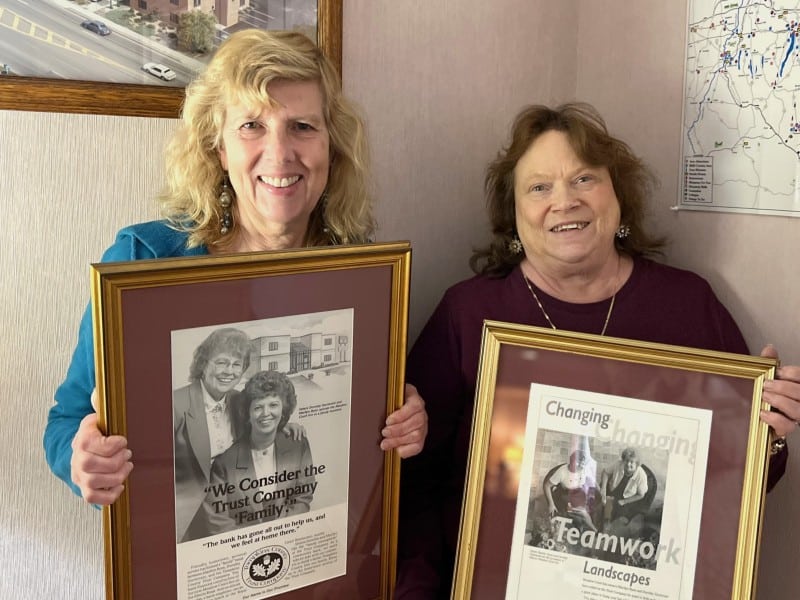
End of an era: Sisters and family say goodbye to Royal Court
Royal Court restaurant Ithaca closes after 50 years, ending a family-run legacy built by sisters Marilyn Ryan and Dorothy Sturtevant.