
Reopened fitness centers, gyms navigate new normal
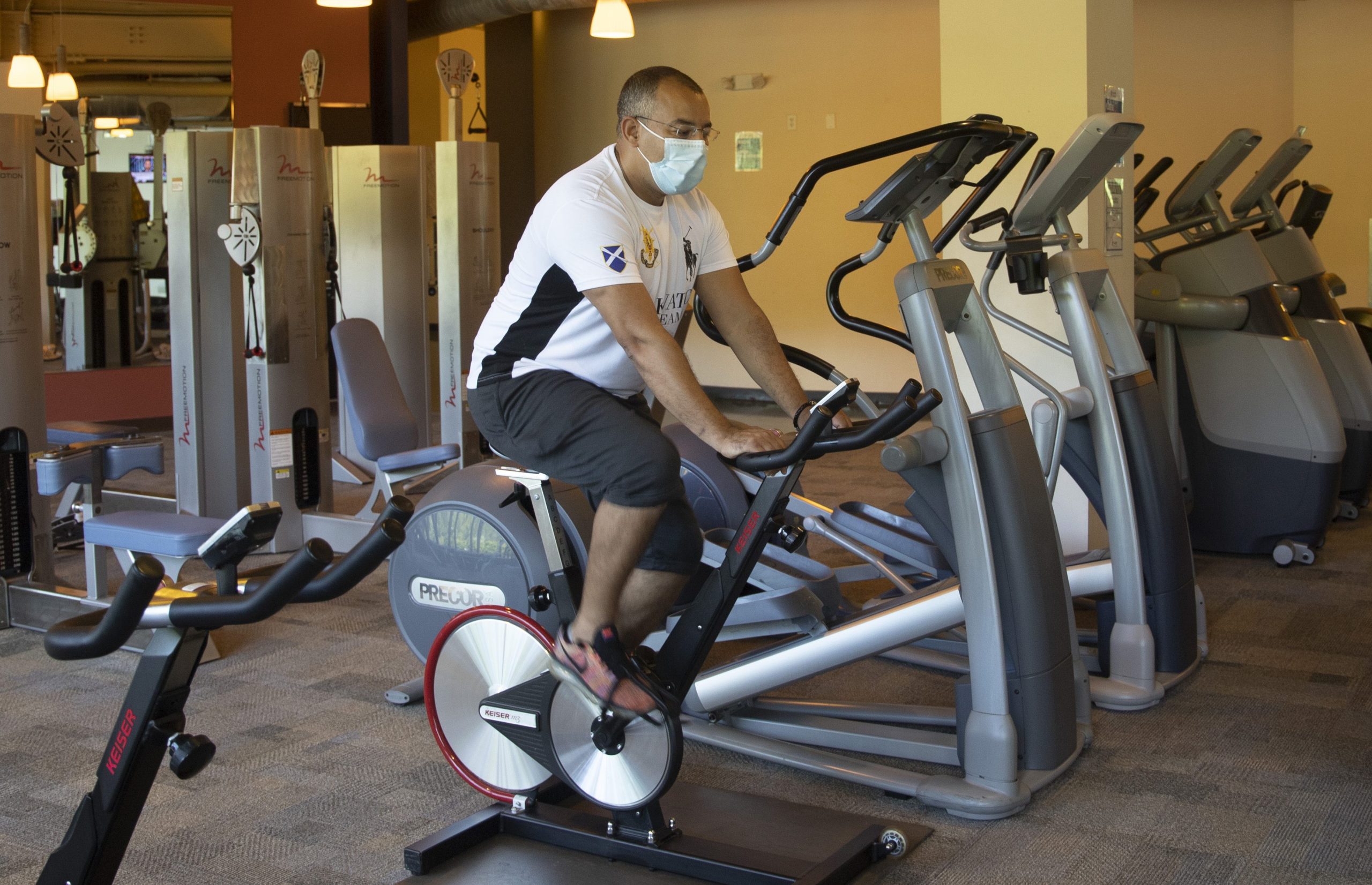
Steve Brandt, general manager for Island Health & Fitness in Ithaca, was only at his position for a few months when the pandemic hit back in March. Just like other businesses in the county, Island Health & Fitness had to shut down suddenly and unexpectedly, and things only got harder from there.
“Obviously, we’ve never experienced anything like this before,” Brandt said. “And we were hoping at the time we’d be open in two to three, four weeks at the most. None of us ever expected we would have been closed for five months.”
While the shutdown and uncertainty weren’t unique to the gyms and fitness centers sector, what was different was the especially long wait they faced to reopen, being left out of phases three and four of reopening after initially hoping to be included in those phases. But on Monday, many got the break they had long been hoping for.
On Aug. 17, Gov. Andrew Cuomo announced that gyms and fitness centers could reopen in the state starting Aug. 24, with municipalities having the option to delay reopening as late as Sept. 2. Just a few days later, Tompkins County administration announced that gyms and fitness centers could open Aug. 24, provided they meet all the requirements stipulated by the state.
Among these requirements are a 33% occupancy limit, sign-in with contact information and health screening, face coverings and 6-foot separation at all times, cleaning and disinfection supplies made available to customers and equipment cleaned after every use.
Classes must be by appointment/reservation only, with capacity capped at the maximum number of people that can adhere to the distancing rules (no more than 33%). For a full list of requirements, visit the governor’s website at t.ly/nGWy.
Those able to reopen under these guidelines are breathing a sigh of relief. As those interviewed for this story shared, it was a long, frustrating process to stay afloat while being shut down for so long.
“I had hoped for phase two professional services because we are a coaching center,” said Travis Barnes, co-owner and founder of Journey 333. “When phase two passed, I prayed for phase three. And then, when phase three passed, I said, ‘Well, we have to be in phase four because there are no other phases.’ Then, to our disappointment, they changed their own rules last minute.”
The long wait meant that the challenges nonessential businesses have faced during the pandemic were compounded. The largest challenge was trying to provide programming to residents who had to socially distance, as Susan Mix, international services director at Jazzercise, explained.
The fitness center, whose nearby locations include Ithaca and Cortland, started a Jazzercise on Demand program prior to the pandemic and kept the paid, online service going throughout the pandemic. And while Jazzercise worked to make those classes engaging, it was still a tough task.
“We’re trying to change things up every month to keep them engaged,” she said. “That’s been the biggest challenge. I lose people every week for whatever reason. Maybe it’s a financial reason. Maybe they don’t like the online stuff; they’re getting bored with it or whatever.”
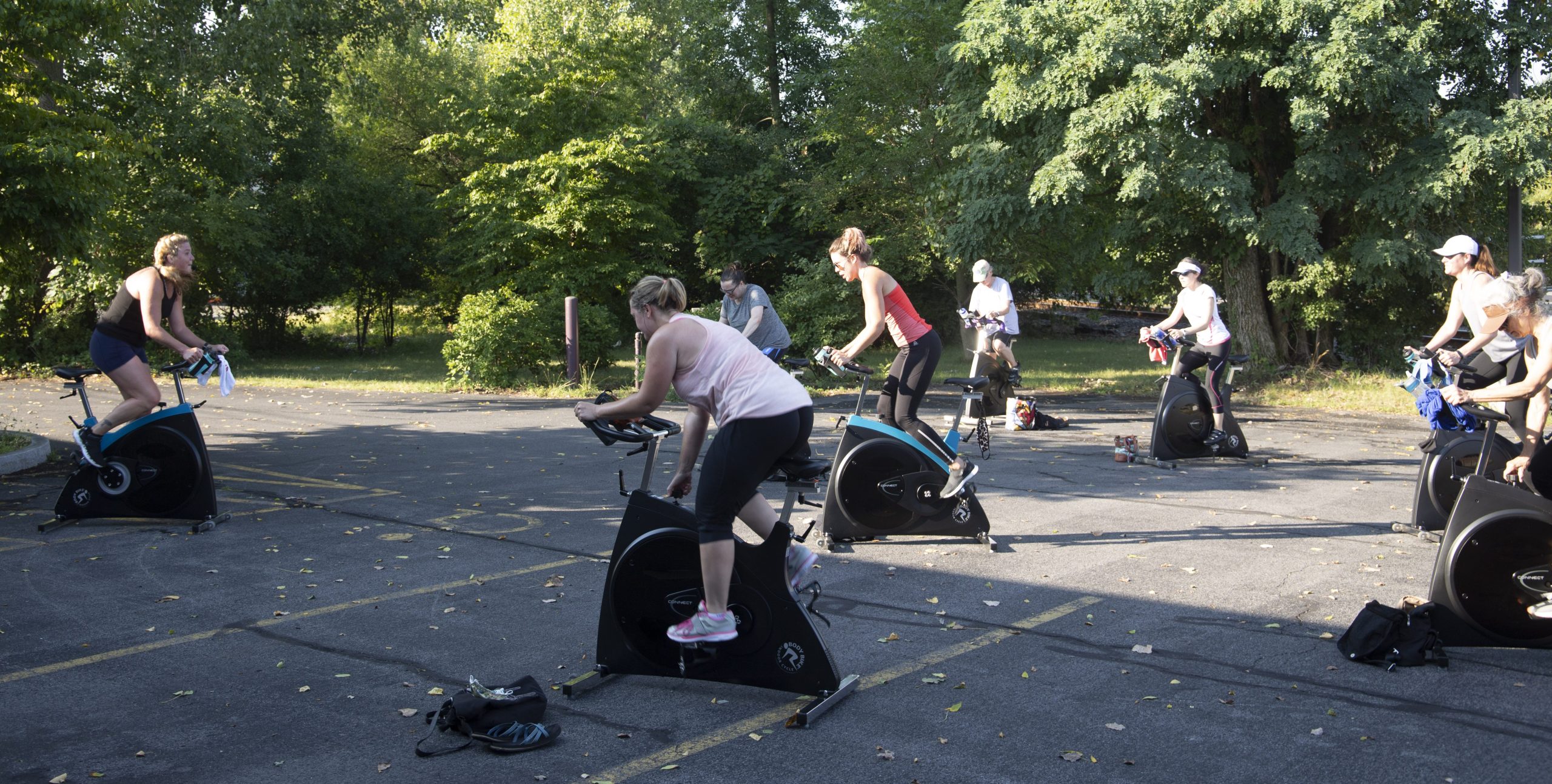
Chantelle Farmer, co-owner of FLX Fitclub in Ithaca, shared a similar experience. FLX Fitclub began virtual classes over Zoom in April, helping to keep customers engaged. And customers showed their support, continuing to pay their membership fee and attending the online classes, but it wasn’t the same as the in-person experience.
“A lot of people have really enjoyed those as a substitute for being in the studio,” Farmer said. “But I know there’s also a lot of things that people miss about having that in-person experience. We rented out all of our equipment to members so that they would have equipment to work with at home. And that, renting it out as opposed to just lending it out, has given us a little bit of income to try to stay afloat.”
As Farmer alluded to, programming wasn’t the only challenge; Gyms and fitness centers faced a large financial challenge as well. As Tim Paulson, owner of Pallas Fitness in Ithaca, explained, even while he and other gym owners tried to keep members engaged through online programming and outdoor classes, income significantly decreased during the shutdown.
“Whether their own income was affected or just the broader economic slowdown and the uncertainty of everything, a lot of people are trying to trim expenses, and they’re just putting their gym memberships on hold,” Paulson said. “Our revenue’s down pretty significantly compared to when this all started. So, that’s definitely been a stressor for sure.”
It’s a stressor shared by Frank Towner, CEO of the YMCA of Ithaca and Tompkins County.
“The biggest concern that we have on a daily, minute-by-minute, hourly basis is the fact that a Y cannot financially operate without people coming in the doors,” he said. “We cannot exist by fundraising alone. It’s a financial burden to be closed.”
The reason gyms and fitness centers faced such a long wait to reopen was state concerns over the safety of having them reopen. As Tompkins County Public Health Director Frank Kruppa explained, gyms and fitness centers presented unique challenges due to the nature of the businesses themselves.
“Because you’re exercising, you’re exhaling more frequently, you’re exhaling harder and potentially spreading the virus more broadly in the space that you’re in,” he said. “Plus, much of what we’ve seen around the country is other states have opened their gyms and have had to close them because they’ve had outbreaks associated with them.”
Still, many gyms and fitness centers felt confident they could reopen safely if given the chance. Most spent the shutdown preparing to do so.
“To be honest, we have done more to ensure the safety of our customers than just about every business that is open,” Barnes said. “That is not to say they should be shut down, but it is to say that we should be allowed our chance to open as well.”
Part of that earnestness to reopen stems from the health benefits related to exercising and an active lifestyle. As Farmer explained, fitness centers and gyms being shut down meant that many were short of the largest resource keeping them physically active.
“Not everyone is equipped or motivated to exercise successfully on their own,” she said. “People rely on their fitness professionals and facilities to motivate them, keep them accountable and provide guidance for exercising safely and effectively. I know many of our members have been struggling to stay fit on their own.”
All that buildup led to a collective sense of relief when Cuomo made his recent announcement, but the challenges aren’t over yet. While some gyms — like Island Health & Fitness, Journey and YMCA’s facility — reopened their indoor facilities Monday, others interviewed for this story had to delay reopening their inside for a variety of reasons.
Those able to reopen inside have made considerable changes to keep members safe while also providing the services and programming they’ve long been waiting for. At the YMCA, for example, Towner said staff had to make significant adjustments due to the size of the YMCA.
“The YMCA has a spatial plan for each area of the building to maintain the regulations set forth by the governor,” Towner said. “If you’re going to go to the pool, you’re going to have to do it a certain way. If you’re going to go to the cardio room, you have to do it a certain way. … The locker rooms will be broken up so you can’t have lockers next to each other. The cardio room is broken into three rooms so everyone is 6 to 10 feet away from each other.”
Journey and Island Health & Fitness have taken similar measures. However, as Brandt explained, they’re lucky because their facilities are large.
“We’re fortunate compared to most gyms,” he said. “We’re a bigger gym. We have plenty of rooms, plenty of spaces. We can spread people out. This can affect the smaller, boutique-style gyms more than us.”
Indeed, smaller places like FLX have opted to have outside and virtual programming, and Jazzercise is sticking to virtual-only for the time being. But it’s not just the size of the facility that has prompted this decision. The requirement for constant and consistent mask-wearing indoors was another large factor in FLX and Jazzercise’s decisions.
“Especially in classes where there is a lower level of exertion, the mask requirement seems excessive,” Farmer said. “I know it is possible to exercise safely with a mask on, but it is still going to deter members from returning and our staff from wanting to teach classes.”
And it wasn’t just them; many sources interviewed for this story expressed their concern over the mask requirement as well.
“Gov. Cuomo himself said, ‘You don’t need a mask if you can maintain 6 feet of distance,’ but now, he says everyone in the gyms need to wear a mask regardless,” Barnes said. “It’s not just a contradiction and unnecessary but also unhealthy to ask people to restrict their breathing while trying to exercise. Every breath you take while exercising can help you to go further or do more; or if you are not able to breathe correctly, it can add stress to your body.”
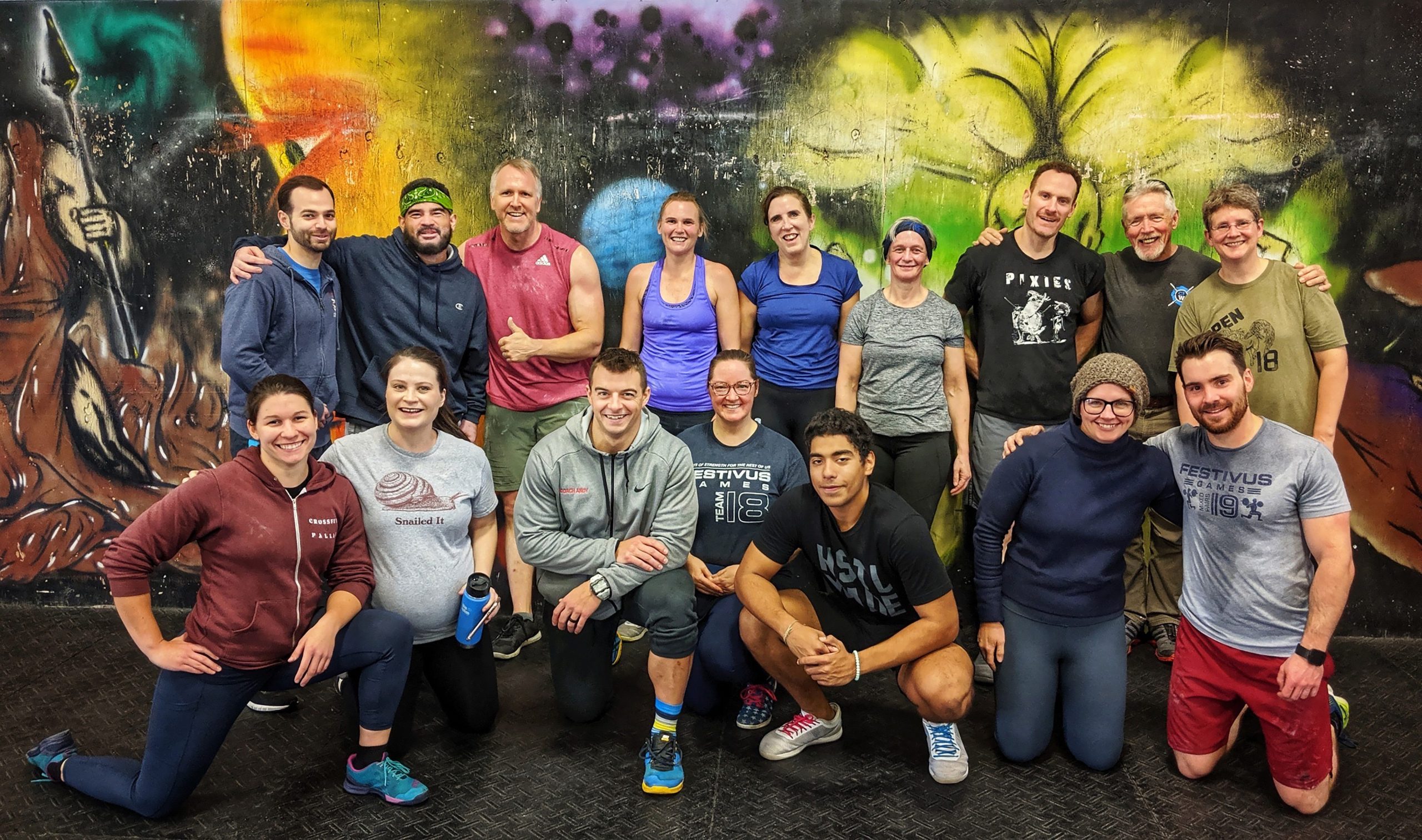
Beyond the mask requirement, others expressed concern and confusion around other requirements, like those surrounding air circulation systems and inspections. Pallas Fitness is delaying its reopening mainly for this reason, as Paulson explained.
“I’d love to be able to offer [inside workouts], but it’s taking longer than anyone had hoped to get our doors open,” he said. “We have to get new filters shipped for our HVAC system, get them installed and then get an inspection from the local Health Department, all of which is taking time.”
And sanitation will be a consistent challenge, as Brandt explained, though it’s one he’s prepared for.
“It’ll be the sanitation we’ll continue to work with,” he said. “It’s always been there in our industry. We have to keep it clean. I don’t expect it to be difficult for us here at Island Health & Fitness for the simple reason that we’re cleaning floors anyway. We have a cleaning staff. We have people around. It’s just implementing different systems with sanitation so that we all got CDC guidelines, which we have already done.”
Moving forward, while some sources expressed optimism for the future, others are still wary, particularly with schools reopening and the possibility of another wave of COVID-19.
“I believe we have been set up to fail, allowing us to open when schools, colleges and universities are just going back,” Mix said. “[It’s] inevitable that numbers will spike, causing us to close down again.”
Some gym members also share that concern, sources said, so the comeback many need won’t be a quick one. Reopening at this time and under these restrictions isn’t the end-all solution for the financial strain many gyms and fitness have faced due to the pandemic, as Barnes can attest.
“We have endured 150 days of government shutdown, which is a nearly impossible thing for a small business to survive,” Barnes said. “We are very grateful for the members who have stayed supportive by continuing to work out with us virtually, yet we still have suffered a significant decrease in membership.”
That is why sources interviewed for this story almost universally called for financial support from the federal or state government to fully recover from the pandemic.
“We have expensive mandates to follow without any funding to help,” Farmer said. “We are a small business, and we don’t have deep pockets, especially after having been forced to stay closed for five months. Our expenses are increasing. … We are fighting to survive so we can continue to help our community stay healthy and happy. But the fitness industry really needs some financial help right now.”
Since the pandemic is unpredictable, that financial support, as well as community support, is going to make all the difference, Paulson said.
“At this point, the best thing that our state and country can do for gyms is to give us the best opportunity possible to innovate and survive on our own and ensure that our guidance is in line with other industries and other sports who are currently being allowed to operate with much greater freedom than we are,” Paulson said.
For now, gyms and fitness centers are working to navigate this new normal, preparing as best they can for the worst but hoping for the best, starting slow and monitoring the county’s and the pandemic’s progress.
“We are happy to open,” Towner said. “It’s going to help prolong our long-term history. We are ready to serve at a conservative starting base level for the health and safety of the community and my staff and the members. So, [it’ll be] members only, limited staff, limited hours. We can add on later, but we need to start slow.”
Brandt reopened Island Health & Fitness on Aug. 24, and he said the first day was a success, with members showing consistent support of the fitness center’s efforts.
“So far, so good. We’re very happy with the amount of members that are coming back in,” he said. “The members that are using the facility really seem to enjoy it and are happy to be back. Five months was a long time for people to take time off from working out and keeping track of their health, so it’s nice to have members back and feels good for the staff to be back. And we’re extremely happy at this point.”
Related Articles
Beginnings Credit Union holds ribbon cutting
Beginnings Credit Union celebrates a branch rebrand in Ithaca, providing improved services and engaging with the local community.

Cailyn McMahon: From Brooklyn to Groton for the love of sweaters
Designer Cailyn McMahon moves from Brooklyn to Groton to raise sheep and pursue her dream of making American-made wool sweaters.

New bakery and coffee shop brings community and homemade treats to Newfield
Morning Moon Coffee and Bakery opens in Newfield, offering homemade treats, coffee and a cozy community space run by Amy Heffron.