
Resident brings others into world of knife-making
Branwell McClory has had many careers throughout his life. From building loudspeakers for recording studios to writing software in the computer industry, his career paths didn’t come close to his true passion for hand-forged knife-making.
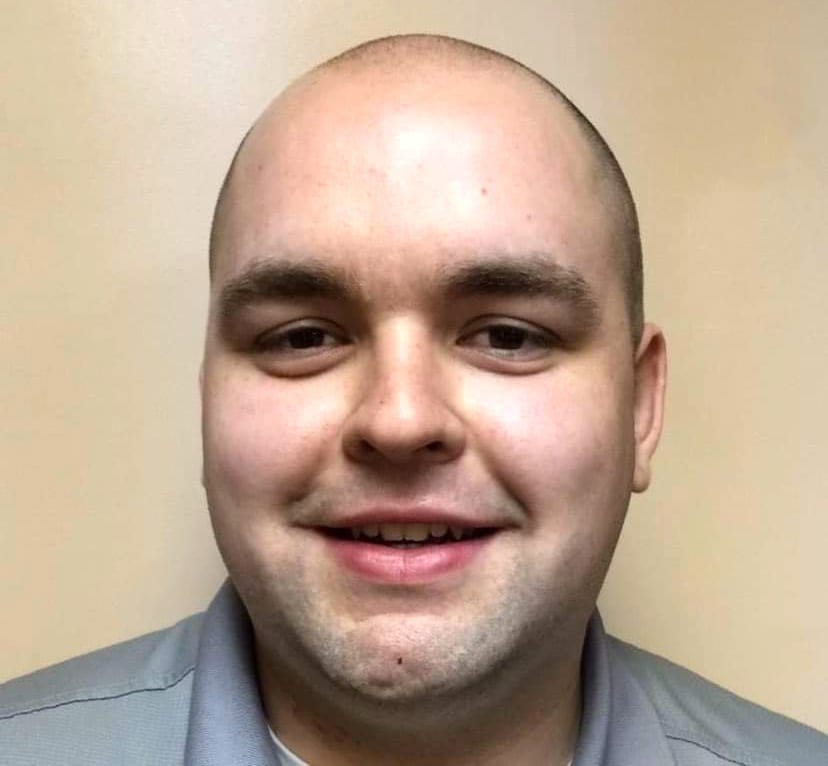
McClory owns Straffan Forge, his knife-making business that is located behind his home on Virgil Road in the town of Dryden, where he moved last winter.
A native of Ireland, he named his business after his hometown of Straffan. McClory started his business 12 years ago when he lived in Virginia with his daughter, Tara, and his late wife, Wendy.
McClory, 57, primarily makes and sells chef and kitchen knives in two different styles: Japanese and western.
“The Japanese-style knives tend to be thinner, wedge less and cut better,” he said. “The western-style knives are very thick, incredibly soft and good if you’re rough on them. It is not a very good cutting instrument.”
McClory also offers three-day courses to teach people how to make knives. He provides lessons on molding a variety of knives from steel, including stainless steel, carbon steel and Damascus steel knives.
From carbon to nickel steel, McClory uses different steels to craft the knives.
“Working with steel is hard,” he said. “It’s not putty, and you can’t just look at it and hope that it turns into a knife. The skills are subtle in it.”
In his shop, McClory has an array of machines to help craft the knives. From a foundry forge that heats pieces of steel at 2,100 degrees, to a power hammer and a grinder, McClory has heavy-duty machinery to guide him through the knife-making process.
The amount of time it takes to make a knife “depends on the knife and the project,” McClory said.
“A really nice Mosaic Damascus knife takes up to a month to make,” he said. “Making three to four stainless steel knives at a time can take two days.”
Since knife-making has been around “since the dawn of time,” McClory said, knife-making is “appealing and incredible” when learning about the nature of steel while being able “to hold history in your hands.”
“It takes a long time to master. In any good journey, you learn a lot about yourself when forging,” he said. “Plus, there’s fire and hammers involved. Who doesn’t love that?”
McClory’s fascination with knives began when he was a kid living in Ireland. Blacksmithing “was a big deal in [his] country back in the day,” and he mentioned how he would spend most of his days hanging out with the local blacksmith in his shop.
The blacksmith made a variety of supplies and tools, except for knives, for the townspeople, said McClory. The blacksmith, however, indirectly garnered McClory’s interest in knife-making.
McClory lived in Ireland until he was 14 and then moved to the United States to go to school after being diagnosed with dyslexia. A handful of years later, McClory moved to Europe and lived in Ireland and then England until he was 25.
London was where McClory began his loudspeaker-building business. He moved his business to California and sold it after a few years to move to Virginia with his family.
Following a long career in the computer industry, McClory started up his knife-making business.
His interest in knife-making brushed off on Tara. She helped McClory widen his forge and install insulation in his shop over the winter.
“I am incredibly lucky that I have a daughter that thinks a lot like me and enjoys the same things that I enjoy,” McClory said.
McClory dedicates himself to “learning as many elements” as possible about knife-making. He and Wendy would travel “every two months” to sessions led by master bladesmiths.
His path to learning about knife-making led him to Murray Carter, a well-known master bladesmith in Oregon. Carter makes and sells knives through his company, Carter Cutlery. Carter also has a substantial YouTube following where he teaches others to make knives.
McClory said Carter teaches 13th-century Japanese bladesmithing. Carter was the first non-Japanese master bladesmith to have his own business, and McClory said that Carter picked up his skills when he was an apprentice for a bladesmith in Japan.
The lessons McClory has absorbed from Carter and other bladesmiths have motivated him to make the best knives out there, whether as a leisure activity or for selling his product.
McClory said there are knives out there “that are totally flat,” so there’s no reason “for the food to leave the knife.”
“You want a break in the shapes on the knife,” he said. “You hope the food will have a tendency to wander off.”
In the conclusion of a knife-making project, McClory said, you end up “with a knife that feels really nice to touch.”
“And it has a reasonable amount of food release,” he said.
For more information on McClory’s business, go to straffanforge.com or the Instagram page @straffanforge.
Author

Related Articles
FLLT purchases over 100 acres in the town of Dryden
The FLLT Dryden land purchase protects 108 acres near Yellow Barn State Forest, expanding conservation and public access.

TC3 reaches transfer agreement with Hobart and William Smith Colleges
TC3 transfer agreement guarantees acceptance and scholarships for graduates entering bachelor’s degree programs at Hobart and William Smith Colleges.
Dryden Fiber looks back on another year of service
Dryden Fiber reflects on a year of growth as the municipal internet provider expands service across Dryden and Caroline.