
‘Resilience in Action’ to aid families, child care centers
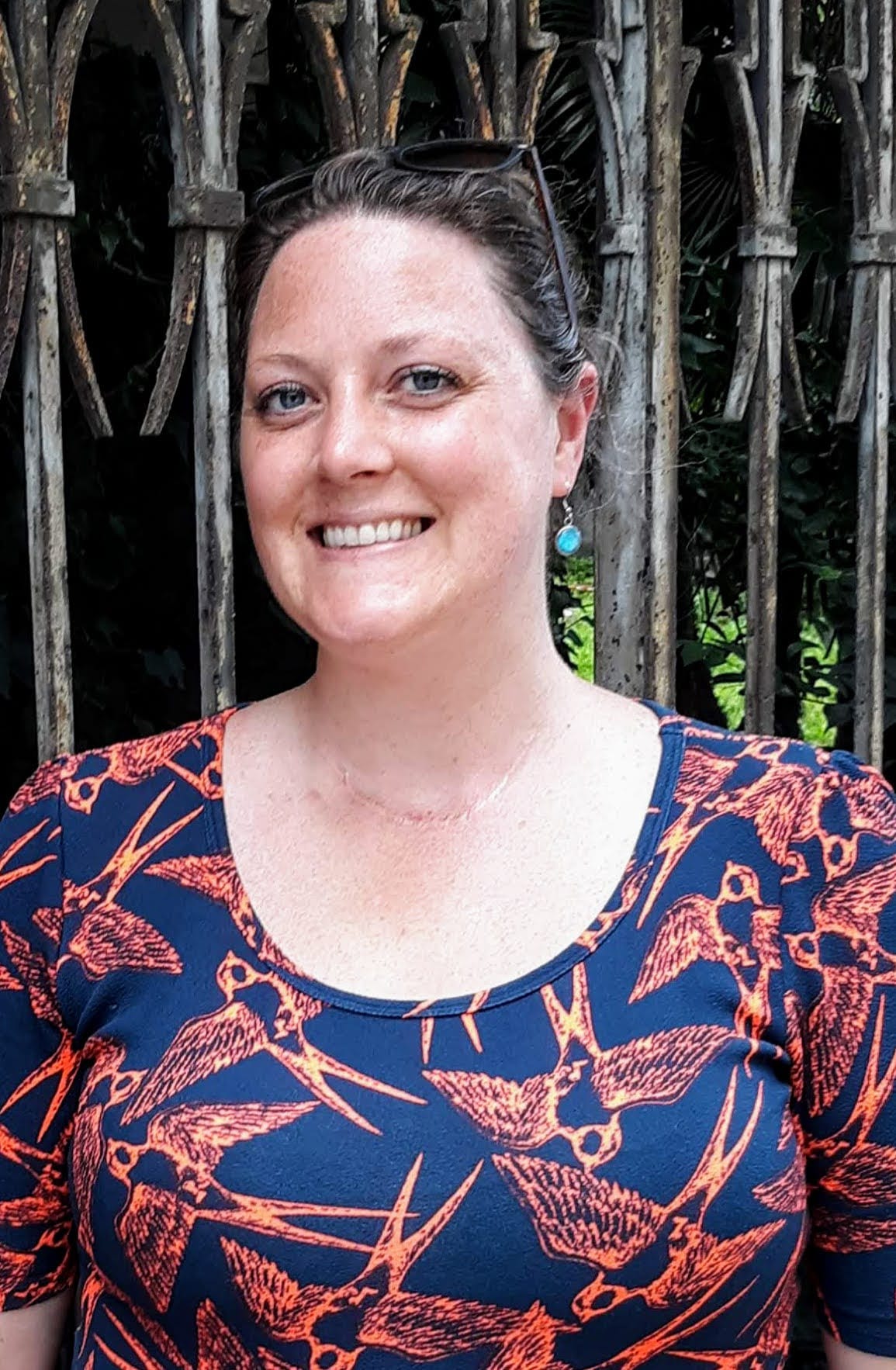
Last month, the Child Development Council (CDC) received a two-year, $150,000 grant to fund its new Resilience in Action program, which supports resilience development for CDC employees, children, families and child care providers in Tompkins and Cortland counties, according to a recent press release.
Resilience in Action — funded by Co-Creating Well-Being and The Health Foundation of Western and Central NY — consists of personal bias and stress management exploration for CDC staff, direct support for child care providers and parents of young children and the opportunity for stakeholders to explore community needs and gather resources together.
As CDC Family Services Director Melissa Perry explained, Resilience in Action was conceived before the pandemic hit the county but became even more relevant as the pandemic continued to last through spring, summer and fall.
“We really did want to focus on resilience, and then, things kind of got derailed a little bit as the world shut down,” she said. “And it made us realize that this was more important now than ever. So, we stuck with that. We had the opportunity to kind of change up what we were doing, but we really wanted to stick with Resilience in Action.”
Resilience in Action aims to help all children in Tompkins and Cortland counties to “grow up with resilience,” Perry said. The first piece of this involves giving CDC staff opportunities to explore stress management techniques and analyze moments of trauma to learn how to work through them. Perry said this, in turn, helps staff better serve the community.
“They’ll be able to use [those] self-care and stress management techniques in developing their own resilience, and then, they’ll be able to better share that and understand what is happening within the lives of our participants and other community members,” she said.
In March, the CDC staff will start training under the Community Resiliency Model, a wellness initiative created by the Trauma Resource Institute that aims “to create ‘trauma-informed’ and ‘resiliency-focused’ communities that share a common understanding of the impact of trauma and chronic stress on the nervous system and how resiliency can be restored or increased using this skills-based approach,” according to the Institute’s website.
“It’s not really focusing on what trauma is but just understanding how trauma biologically [and] neurologically affects the whole body and a person’s well-being, and how we, as professionals and community members, can support people and respond to them appropriately,” Perry explained.
Resilience in Action also includes similar assistance for child care providers and families. While CDC staff is still finalizing exactly what this piece will look like, Perry said she and other staff members will be reaching out to providers, kids, families and other community stakeholders about what their needs are to help shape services.
“We know that not any one agency can do all of this community work, and that’s not the intent of this,” she said. “It’s very much collaborative, so we want to bring people together and have that conversation and then share different resources so we can help other people and other organizations to do bits and pieces of that work out in the community so we’re reaching more people.”
Another key part of Resilience in Action is to work toward justice, equity, diversity and inclusion, or JEDI, which is also part of Tompkins County administration’s anti-racism efforts.
“When we talk about resilience and we talk about toxic stress, we know that so many pieces of this world really have been designed to be discriminatory, and even within the systems that are meant to protect people’s well-being and health,” Perry said. “So, we need to really fully understand that and explore that. And everybody is working on their own paths to becoming anti-racist and doing that work. And we take it very seriously.”
Like others in the county, Perry acknowledged that working toward anti-racism is an ongoing journey that has no end point, but Resilience in Action should still go a long way toward creating lasting change.
“We want the culture of our organization to reflect the work that we’re doing and making sure that what we’re intending is also seen to be done by others in the community,” Perry said. “We want them to feel that we’re respecting their cultural differences and responding to them in ways that are appropriate and appreciated by them.”
Currently, CDC staff is in the planning stages of the program, with action stages set to begin next year. Perry said that while Resilience in Action is funded by a two-year grant, the work is expected to continue well past that two-year mark.
“Luckily, through the Health Foundation, we very much have the flexibility to respond to these [needs] as they emerge, and the funding is flexible in that way,” she said. “We would very much be looking for funding that would be just as flexible in the future to make sure that this is kind of a living, breathing thing. It’s always changing and growing, and we want to be able to respond in the way that is most appropriate and effective.”
Resilience in Action work is in addition to the work CDC has done during this pandemic and will continue to do into 2021. As Perry explained, CDC staff was able to pivot quickly at the start of the pandemic to better respond to the needs of families, children and child care providers, and that dedication continued throughout 2020.
While the pandemic has been a challenging time for the organization, Perry said she has seen significant successes thanks to staff efforts, like baby supply drives and being able to connect with the community in different ways.
“We were able to hold a toy and clothing giveaway for a couple of weeks in both counties,” she said. “We had some really nice donations that we don’t typically get, so families coming through the drive-thru were able to choose some really nice, high-quality educational toys for their kids and some really nice clothing. And a lot of it was winter clothing to get them through the winter months.”
Feedback on the CDC’s efforts throughout this pandemic has been positive, Perry said.
“This period has really highlighted the work of the Child Development Council because we’re so much more visible now,” she said. “These are things that we have been doing on some scale, but now, they’re getting more attention, and we’re getting most funding for them. And the feedback really has been pretty incredible. People are always emailing, wanting to make donations.”
That feedback is a big encouragement for staff, Perry explained, which gives her and others hope for what’s next for the CDC.
“This really has been a really positive time for the Child Development Council,” she said. “We’re working really, really hard. We always tried to meet the emerging needs and trends of the community and just keep an eye on that so we know how to inform our services. And I think we’ve really been able to do that right now in a very successful and positive way.”
For additional information about Resilience in Action, please contact Perry at melissa@childdevelopmentcouncil.org. For updates on all services, please visit www.childdevelopmentcouncil.org.
Related Articles
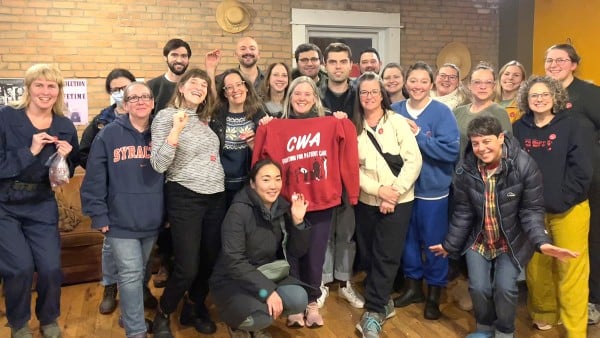
Cayuga Medical Center nurses to rally, alleging anti-union tactics by hospital management
CMC nurses plan a rally, alleging unsafe staffing and illegal anti-union tactics as the hospital highlights recent patient-safety gains.

Design details unveiled for new Center of Government
Design details for the Tompkins County government building in downtown Ithaca are now public, with a county survey open for feedback.
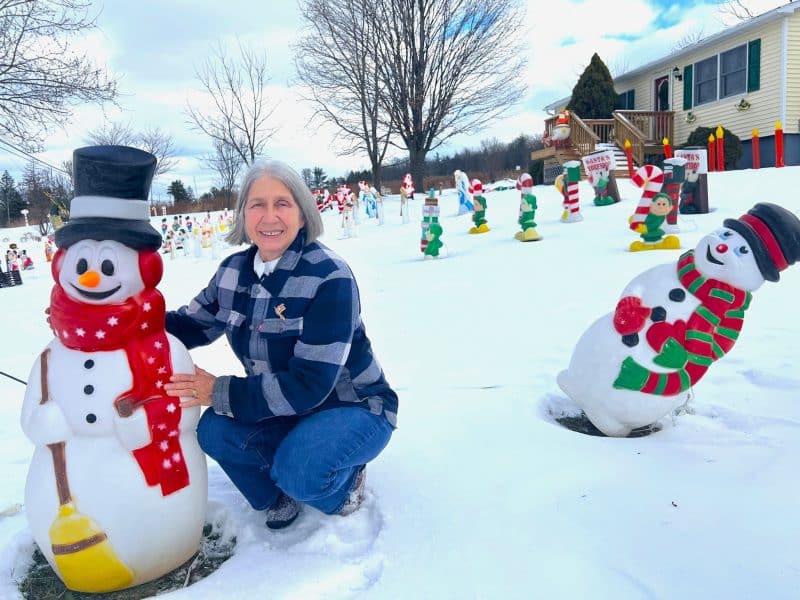
Holiday traditions bring community cheer
Tompkins County holiday traditions light up homes, farms, and schools with festive cheer and community spirit.