Resiliency persists as pandemic causes economy to suffer
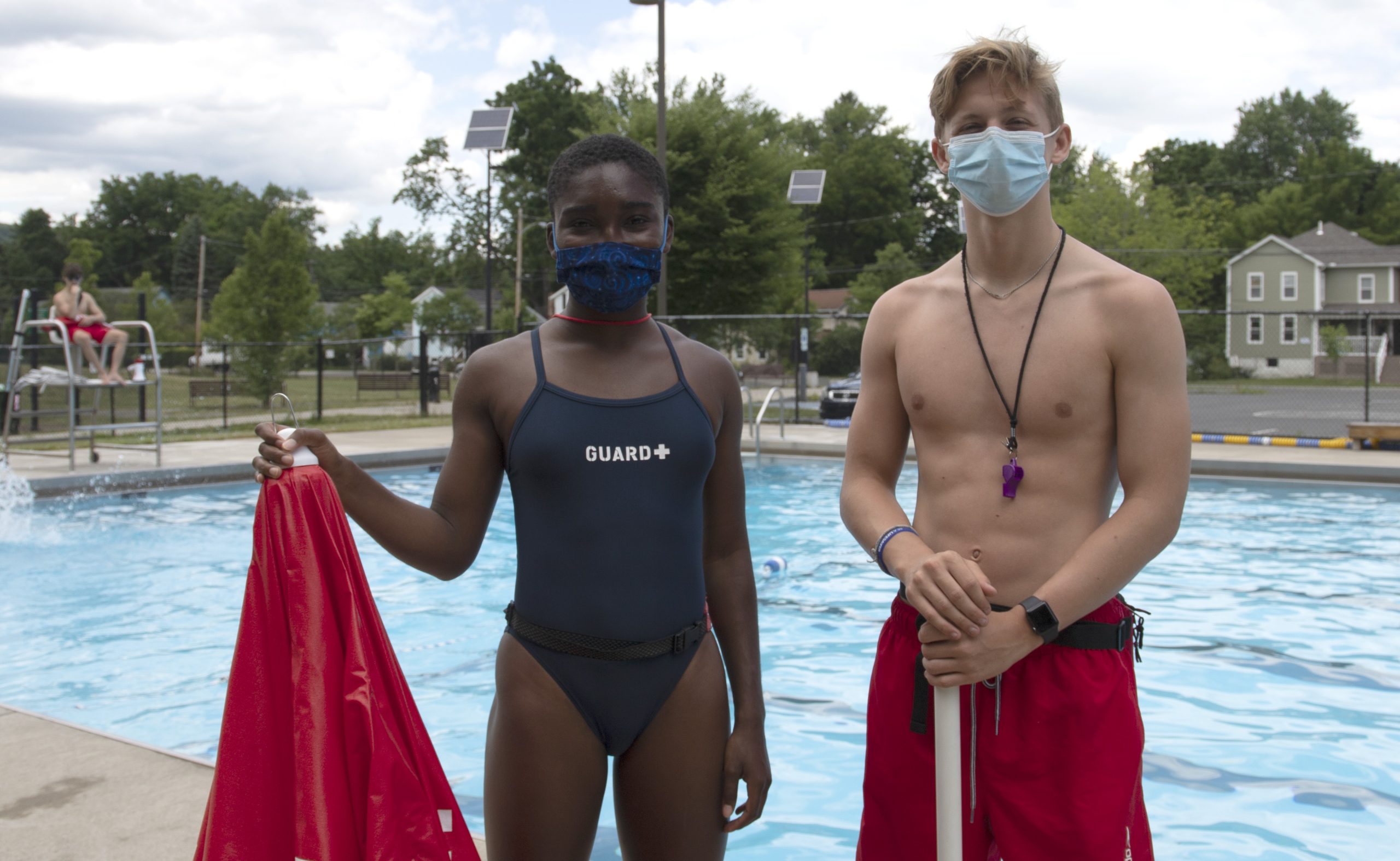
Last month, the city of Ithaca announced budget cuts due to COVID-19 revenue losses, and among the organizations hit hardest by those cuts was the Greater Ithaca Activities Center (GIAC). With its youth, teen and recreation programs shut down, GIAC faced significant challenges trying to make it through the pandemic.
“We’re not used to being shut down in the summer,” said Leslyn McBean-Clairborne, executive director of GIAC. “Summer is the busiest time, actually. And we run a full summer camp, basketball camp, summer basketball league.”
One glimmer of hope for GIAC came late last month, when donations from Purity Ice Cream and the Legacy Foundation of Tompkins County, as well as fundraising through the United Way of Tompkins County (UWTC), raised enough money to open the Alex Haley Pool at GIAC.
“We were struggling because we didn’t know how we were going to do it and do it safely,” McBean-Clairborne said. “I was going through the mail and saw this packet from the United Way, and it literally brought me to tears. … Everything from political to our fellow nonprofit agencies donated.”
With Ithaca’s announcement and the county’s mid-year budget reviews showing how greatly COVID-19 has impacted the local economy as a whole, we’re focusing this investigation on the short-term and long-term effects of COVID-19 on the local economy and how community support – like that shown with GIAC – can help the county recover.
At the county Legislature’s July 2 meeting, members of the Tompkins County Legislature’s Budget, Capital and Personnel committee received an update on the 2020 county budget impacted by COVID-19 and discussed 2021 budget priorities, according to a recent press release.
County Administrator Jason Molino presented an updated document on 2020 budget scenarios, expenditure reductions and impacts from COVID-19. Among these was a state tax revenue shortfall of $13.3 billion, according to the state Division of Budget, which, combined with a $243 billion recovery and $202 billion loss in growth, creates a larger economic impact on the state than 9/11 or the 2008 recession.
In addition, the county is facing a revenue shortfall between $11 million and $18 million, according to Molino’s presentation (full recording available at tompkinscountyny.gov).
“There was a budget challenge for the state pre-COVID,” Molino said. “There was about a $6 billion deficit at that point in time that’s only been exasperated by the COVID-19. … We don’t know how it’s going to pan out. And that’s after the fourth quarter in New York is suggesting that there’ll be a slow recovery in the economy.”
Thomas Knipe, deputy director of economic development for the city of Ithaca, best summarized the way COVID-19 has impacted nearly every facet of the local economy.
“A large number of layoffs and unemployed individuals, a steep drop-off in the hospitality and tourism markets, brick-and-mortar retail stores are heavily impacted especially the non-essential retail, … and just a general shift in people’s outlook and personal financial situation and uncertainty about the future,” Knipe said. “I would say it’s been the most significant thing to happen to the local economy that I can think of.”
It’s an effect felt across the county and its municipalities. As Trumansburg Mayor Rordan Hart described, since the village’s economy relies heavily on business, the businesses’ challenges became the village’s challenges.
“The primary impact, of course, was on the closure of many Main Street businesses,” Hart said. “Some of the restaurants were able to adapt by doing a lot more take out/delivery orders, but overall, it was a significant shock to those businesses who had their revenues crushed or halted all together.”
And it’s not just businesses. Nonprofits have faced challenges since COVID-19 that have greatly affected the overall economy. As Janet Cotraccia, chief impact officer for the Community Foundation of Tompkins County, explained, while many nonprofits suffered in the initial stages of COVID-19, the effects now have been mixed.
“On the one hand, we certainly see an increase in requests for food and things like that,” Cotraccia said. “We also hear coupled with that a lot of stories of people doing OK. So, a lot of my thinking is in anticipation of what will happen next.”
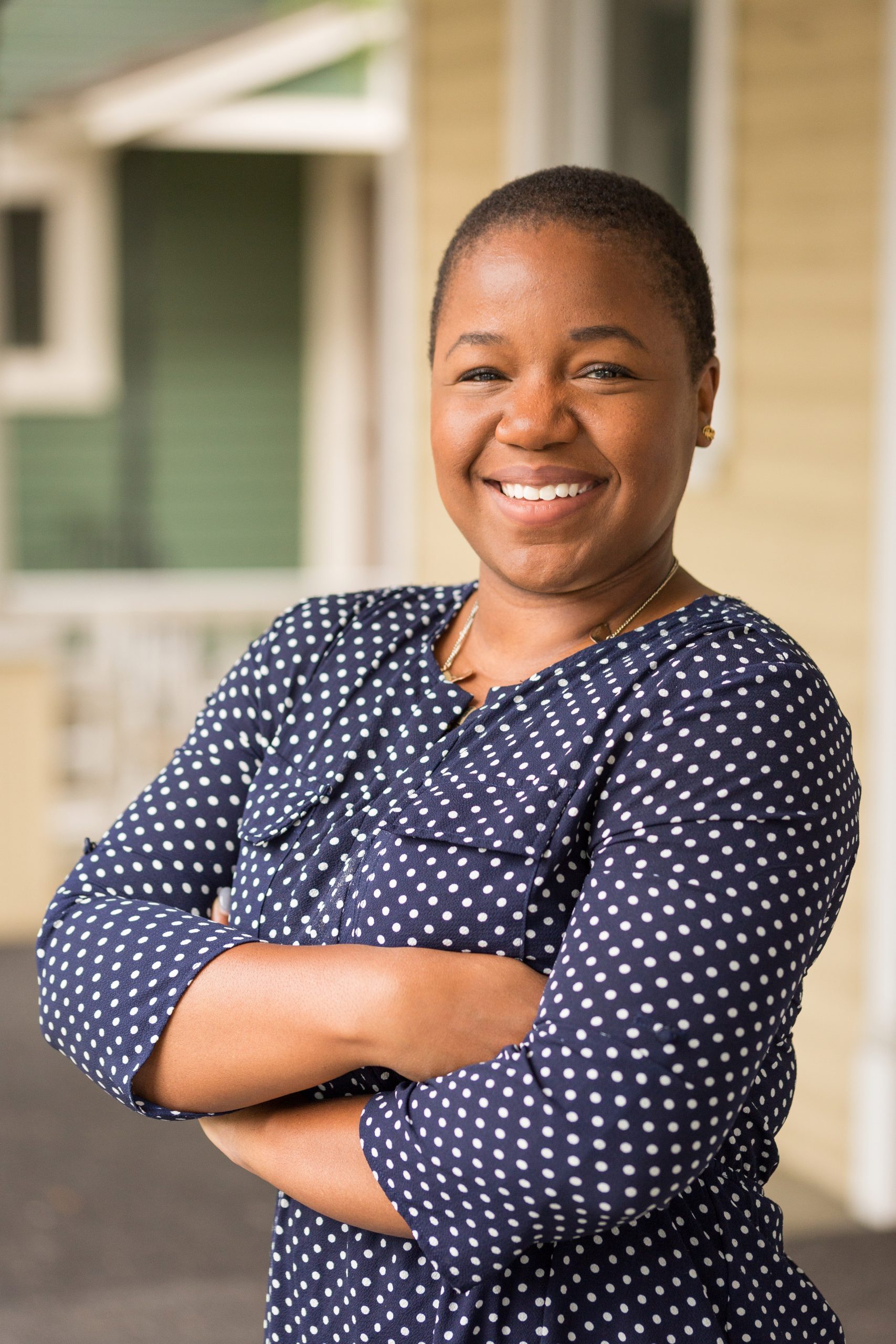
UWTC Director of Resource Development Megan Omohundro said that the health of local nonprofits is crucial for the overall health of the county’s economy.
“Nonprofits support people that are really holding up the local economy,” she said. “It’s of primary importance that we fund them, that we support them, that we advocate for them and that we do everything we can to make sure our nonprofit needs are met so that the community can continue to thrive.”
Most sources interviewed for this story expressed an uncertainty about the future due to the nature of the pandemic. Some, like Dryden Town Supervisor Jason Leifer, expressed a concern that economic recovery could be hampered if the state sees new waves of COVID-19.
“Places that were able to scrape by until now, I definitely think not all of them would make it,” Leifer said. “I know people who have friends who have businesses downtown in Ithaca who were able to make it through this beginning, but if it happened again, they’re pretty sure that couldn’t keep going.”
And creating more concern is the unknown of what happens once students return in the fall. As the three area colleges announced plans for welcoming students back, sources expressed the importance of maintaining diligence to prevent more COVID-19 cases.
“We know how important students are to the local economy,” Knipe said. “Starting schools, I think, is really important, and we need to do everything we can to make sure that they can do that successfully.”
Many also expressed a hope for the future, referencing residents’ continued dedication to support each other through economic hardship. The UWTC, for example, raised over $2 million in this year’s Community Campaign, which campaign chair Cal Walker said is the first time the campaign has reached $2 million in five years.
While community support goes a long way toward recovery, local leaders said that more help is still needed. The county Legislature recognized this in its July 7 meeting, when it passed a resolution urging the federal government to provide aid to states and local governments.
In his July 2 presentation, Molino said that a federal aid package would be beneficial for the short term, but it won’t necessarily address longer-term issues with the county’s budget.
“If you don’t have a constant revenue source that’s going to equal where we are now without corresponding decreases in expenses, you’re still going to be in a difficult budget position next year,” Molino said. “So, I want to make sure that we don’t bank too much on a federal aid package.”
Overall, sources said the best path toward recovery is one where everyone involved adapts to the situation and works together with the same goal in mind. Omohundro said that this requires a lot of collaboration, and she thinks the county is up to the task.
“You’re talking about things that politicians are grappling with, that the business community is grappling with, that all sectors of the community are grappling with,” she said. “The good news is that we have in this community both the will and the ability to surmount any challenge. … But every sector is going to have to do its part.”
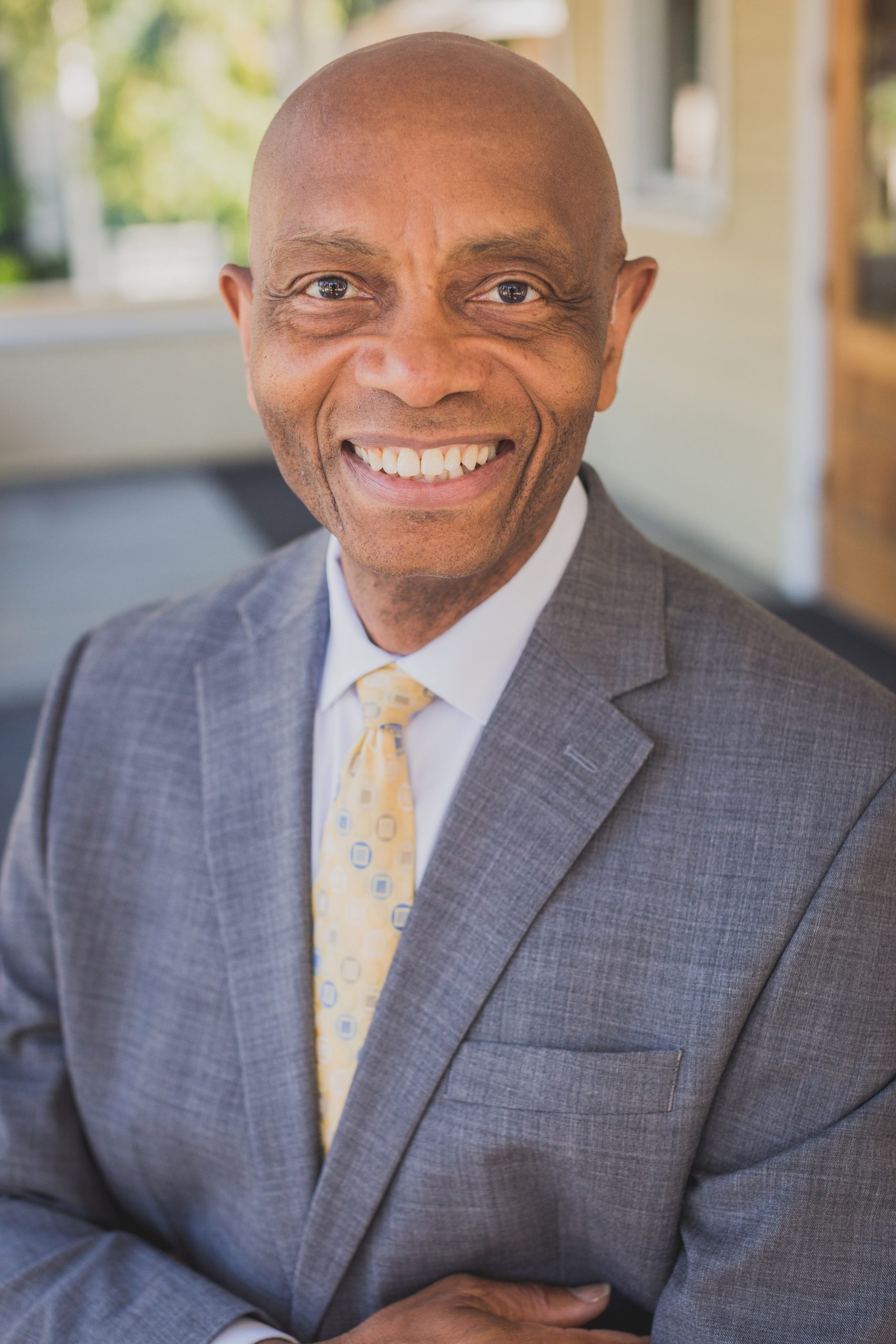
Amie Hendrix, deputy county administrator, emphasized the importance of being creative with strategies moving forward.
“We will continue to see in the coming months how our mild and severe scenario projections fare, but we must plan for reductions in expenses in response to this unprecedented crisis,” she said
For residents concerned about these effects, sources offered a variety of advice, including to continue following health and safety guidelines, give financially when you can and shop local.
“It’s easy to just shop online because you have low risk of exposure,” McBean-Clairborne
said. “We want to encourage people to buy local. We need our sales tax numbers to be up. We need our construction. We need our local businesses to be thriving so people can go back to work.”
Moving forward, the general outlook for most sources was one of optimism, as many have been encouraged by early displays of support and dedication to recovery efforts.
“I am 100% certain that this community will continue to rise to the occasion and help meet the needs of the United Way and, frankly, other organizations that are similarly committed to the health and well-being of this wonderful community that I’ve been blessed to call home for 43 years now,” Walker said.