
Restaurants await funding, need continued support

Early last week, applications closed for the Small Business Association’s (SBA) Restaurant Revitalization Fund (RRF), the most recent coronavirus relief program aimed directly at helping the food and dining industry. The fund opened May 1 as part of the American Rescue Plan issued by President Joe Biden and will provide up to $28.6 billion in funds to struggling owners.
In the first two weeks of the program — which prioritized businesses owned by women, veterans and “economically and socially disadvantaged individuals” — the SBA received over 120,000 applications. This high traffic shows just how much restaurants continue to grapple with pandemic losses over a year and a half from when the pandemic first hit, and Tompkins County is no exception.
While many local industry leaders praised the RRF for addressing one of the hardest-hit industries from COVID-19, they also recognize that the RRF alone isn’t enough to help restaurants fully recover. As leaders and business owners interviewed for this story explained, much more is needed to help address the challenges restaurants continue to face.
Industry progress
Several recent changes have helped many owners see significant improvement from a rough 2020. At Glenwood Pines in Ithaca, for example, manager Corey Hohwald said he’s seen “steady improvement.”
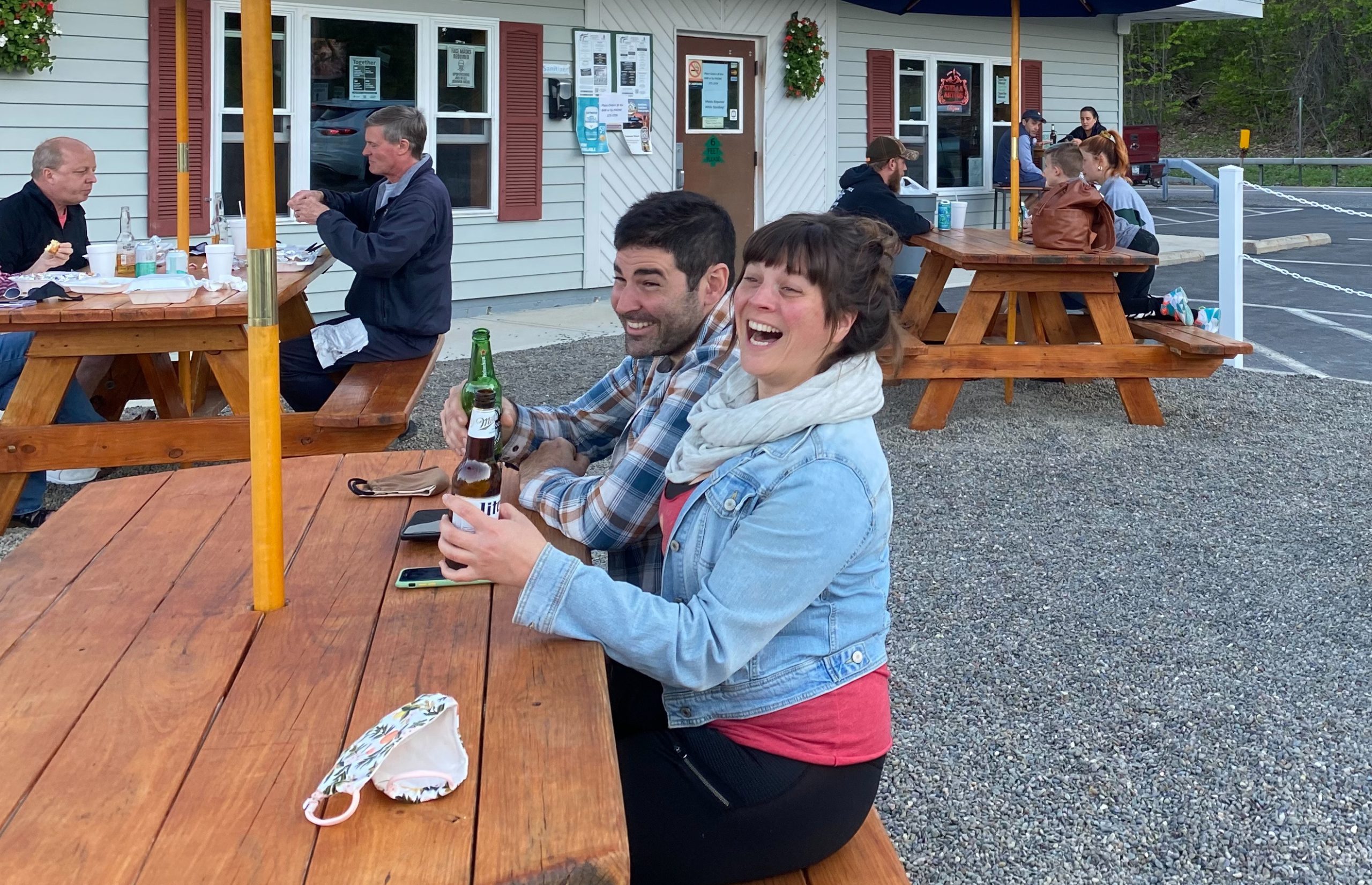
“A lot of that, I believe, has to do with many people being vaccinated and feeling more comfortable being out and about,” he said. “The lessening of some of the rules has also helped.”
Hohwald is referring to two big policy changes that have had a largely beneficial effect on the industry — capacity increases and new mask guidelines. Earlier this year, Gov. Andrew Cuomo increased capacity limits at New York restaurants to 75% and removed all food and beverage curfews.
And just last month, Cuomo announced that the state has adopted new mask guidelines according to CDC recommendations, which include removing the mask mandate for fully vaccinated individuals both inside and outside (excluding certain places like private businesses with different policies and services like public transportation).
Between the capacity increase and mask changes, restaurants have been able to expand their operations, and many customers have felt more comfortable dining in. With more people coming in, several owners reported another change — positive community feedback.
“We’ve seen a marked increase in people coming in … and expressing their appreciation of, ‘We’re just so happy that you’re still here,’ said Timothy Mooney, chef at Moosewood in Ithaca. “It’s been really heartwarming at times to see people’s
appreciation for the work that we’re doing. And a lot of people are very understanding that it’s not the most easy work during this past year.”
Challenges
Even as the industry has seen progress, there are many factors that continue to hold owners back. For one, while the capacity increase has been beneficial for the most part, social distancing guidelines have prevented many owners from taking full advantage of the increase.
“The limitation is that even though the state changed the requirements and said, ‘Oh, now you can be 75% capacity and not 50,’ they didn’t change the 6-foot rule,” explained Gary Ferguson, executive director of the Downtown Ithaca Alliance (DIA). “Most of our smaller restaurants — and many of them in downtown are smaller — still have to abide by that. … And so, that continues to be a drag and a problem for a lot of our restaurants.”
By far, the biggest challenge owners continue to face is staffing.
“All the problems we’ve been having really is staffing,” said Jessie Gardner, co-owner of Little Venice in Trumansburg. “We can’t get anybody across the board — line cooks, servers, bartenders, dishwashers, delivery drivers. You name it, we need it. And we have for quite some time. So, the people that we have are super loyal to us. But they’re working extra to fill in all these gaps for us.”
Increases in unemployment benefits due to the pandemic are still in effect, which some reference as a possible reason for the staffing issue. But Peggy Coleman, vice president of tourism and community relations for Visit Ithaca, said the situation is a bit more complicated.
“I think it’s very easy to just blame the incentive of the extra $300 per week in unemployment,” she said. “But for some folks, they have children who are still in school, and they’re not back in school, so they still have to do homeschooling with younger children. So, it’s not like you can just say to a 6-year-old, ‘Hey, Mom’s going to work now. Good luck with school.’”
The staffing challenges have had a ripple effect on owners’ supply chains as well, as Mark Campagnolo, owner of the Boatyard Grill in Ithaca and Ciao! Ithaca, explained.
“The cost of goods, food and products has skyrocketed, frankly,” he said. “The supply side of things has been affected in a large way because, for example, you have your manufacturing plants, beef or chicken, they’re having the same problem of people not going to work. So, their production is down, the supply of food products is down, the demand is high, so that equals higher price. So, now, we’re paying much more for products.”
On top of these challenges, many local restaurants didn’t qualify for aid through the RRF despite significant need, as Kristina Thelen, business support coordinator for the DIA, explained.
“I’d say the biggest barrier to the eligibility for the fund is that it has to stipulate a certain amount of your business being indoor dining, and there’s quite a few of our restaurants that are actually kind of grab-and-go, or did not have indoor dining during any portion of the COVID closures,” she said. “So, that has been a very hard hurdle for a lot of restaurants to get over to be eligible and apply for the grant.”
Looking ahead
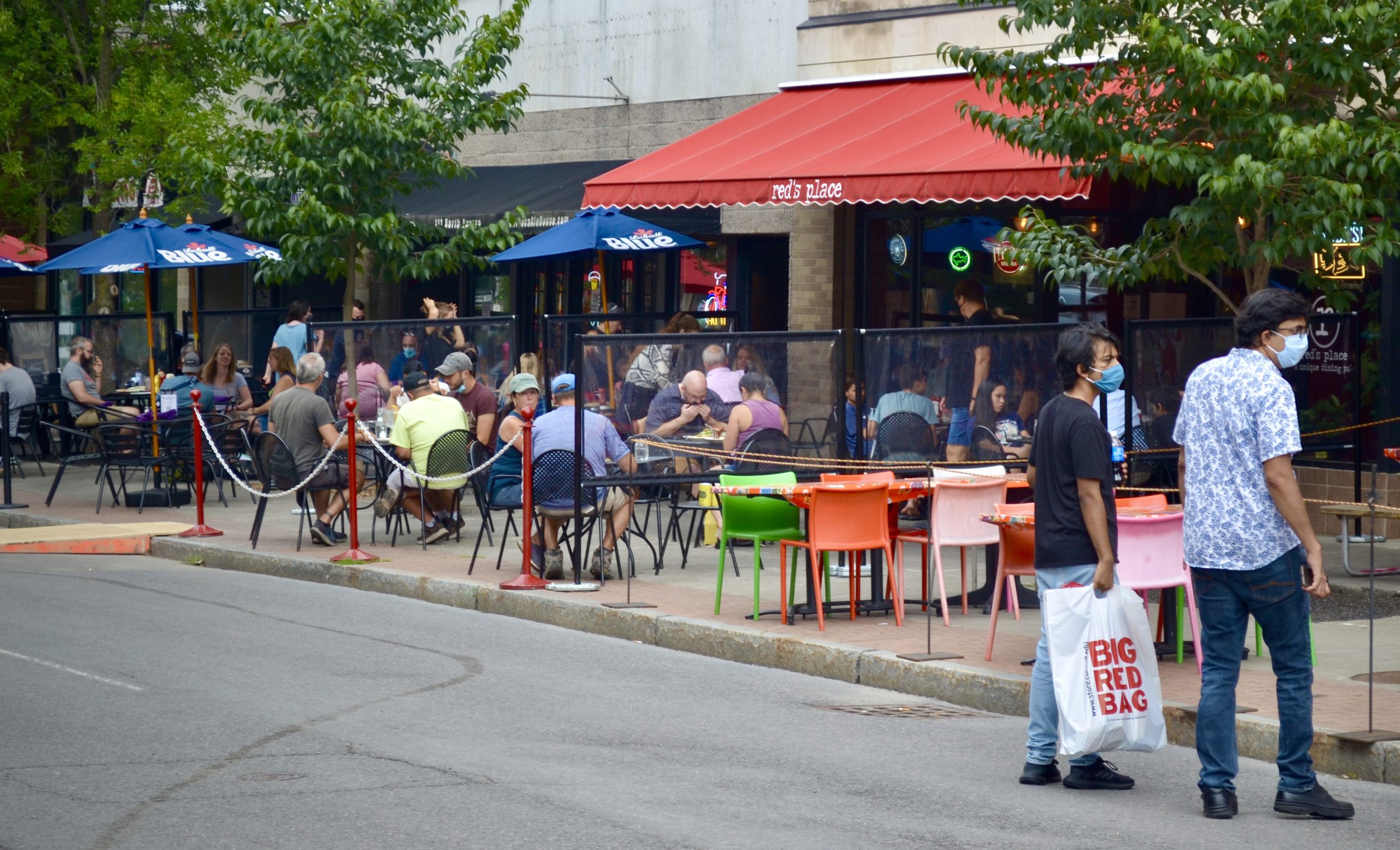
Of the four restaurant leaders interviewed for this story, most reported that they applied for funds through the RRF but have yet to hear back. Gardner said she attempted to apply but didn’t qualify. Regardless of whether or not they expect to benefit from the RRF, though, all sources interviewed said more is needed.
Thelen, for example, praised the RRF for its early prioritization of groups that hadn’t been prioritized in past aid packages and said future aid should also try to address similar, remaining gaps.
“There’s been some refocusing and reimagining of trying to figure out ‘OK, who’s been left out?’” she said. “Now that they’ve seen some of these initial programs come through, there’s a little bit more sifting back through and thinking critically about who wasn’t reached. And I think the SBA is doing a particularly good job of trying to really figure out how to make an improvement from each iteration of funding sources that’s created.”
Coleman said that state and local municipalities need more federal aid soon — “We can’t wait until next year, or 2023, for those funds to roll. They need to roll now.”
As Mooney and others described, that immediacy comes from the significant losses the industry has already seen over the past year and a half.
“I think a lot of restaurants are struggling and will probably continue to struggle for at least a little bit,” Mooney said. “They’re important parts of the community, and we don’t want to see a lot of them go away. We’ve already seen a couple go away. And we also want to be able to spark our local economy, whether it be our staff or our purveyors. And we just think it’s important that restaurants stick around.”
Campagnolo said that the fact the industry is still struggling has affected the entire economy, both locally and nationwide.
“We know the local municipalities, they’ve had their hands tied because they haven’t gotten funding from the state level. So, they’ve been cut,” he said. “The state has not gotten money from the feds because they’re struggling because … the restaurant industry has been really [one of] the worst industry hits. So, they’re missing sales tax and income and missing corporate tax income because they’ve lost so much business. So, that going downhill really affects everybody down the road.”
While leaders continue to wait on additional federal and state aid, sources said the community support has been an encouraging sign that, even if the situation is still rough right now, things are finally looking up.
“One of the things I think we’ve learned and seen and witnessed is that those of us who have been confined and are coming out of hibernation, if you will, our consumers, people like to eat,” Ferguson said. “And that’s not going to change, at least not here. So, I think the prognosis for this industry long term is good, particularly here. The key is helping people through this tough time.”
Coleman said one of the best ways residents can help local restaurants is simply to patronize them and dine in as often as you can, particularly on days when tourism is down.
“Sunday through Thursday, business is more important to them than weekend business because the weekends is generally when those visitors are also in town and looking for places to eat,” she said. “So, spreading that impact throughout the week would be a help to the restaurants because if they can count on business Sunday through Thursday night, then they can have enough hours to support bringing more people back to sustain those jobs as well.”
For more information on the RRF and similar federal assistance programs, visit the SBA’s website at sba.gov.
Related Articles

Design details unveiled for new Center of Government
Design details for the Tompkins County government building in downtown Ithaca are now public, with a county survey open for feedback.

Holiday traditions bring community cheer
Tompkins County holiday traditions light up homes, farms, and schools with festive cheer and community spirit.
Cayuga Medical Center improves patient safety score
Cayuga Medical Center Leapfrog Grade rises to “B,” showing improved patient safety and nursing care quality.