
School districts see some reprieve; staffing challenges remain
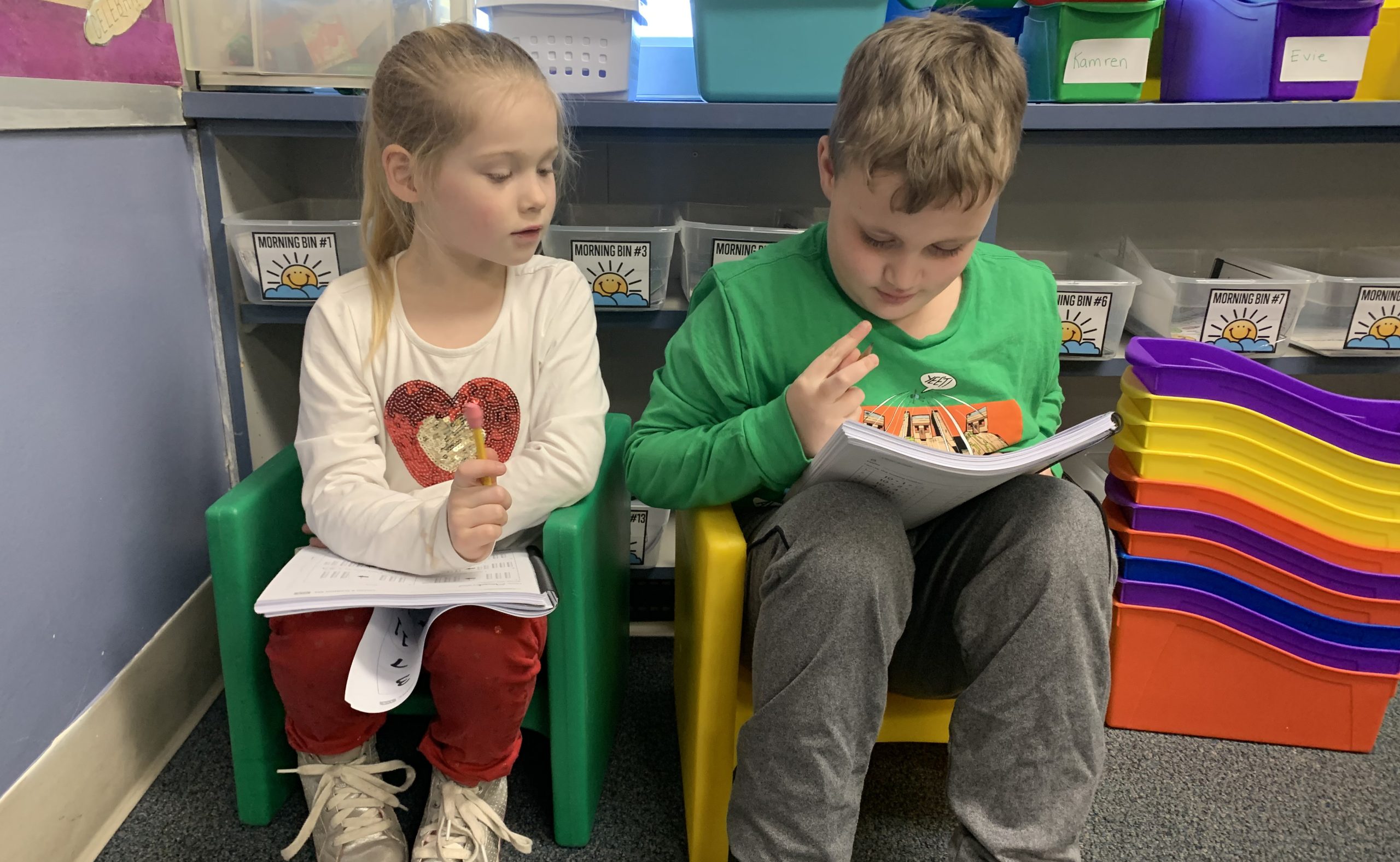
When Tompkins Weekly last covered K-12 school districts last fall (tinyurl.com/y2vy24ca), many administrators were grappling with a wide array of challenges, most related to new restrictions surrounding the pandemic. Now, the school year is less than a month from ending, and districts are happy to report significant progress.
“Spring has sprung, and that’s been nice,” said Jeffrey Matteson, superintendent of TST BOCES. “We got a lot more activities going on. You have a little bit of return to relatively pre-2020 operations. So, that’s exciting. I think also, the number-one thing is our conversations aren’t consumed entirely by responses to the pandemic. And that’s been refreshing.”
It’s a similar story at Trumansburg Elementary School, said Principal Jeanie Day.
“I’ve been really pleased with how much in-person instruction we’ve been able to have this year and how we are definitely moving back towards a lot of our traditional experiences for students,” she said. “The beginning of the year, there were fewer opportunities, but by this time of year, we’re doing field trips and special events and including families again.”
Another positive for area districts is that staff, students and families have largely cooperated with and supported districts’ pandemic safety practices, including vaccinations.
“People in our school community have been supportive and respectful of all safety protocols and practices, including vaccination, while respecting that some people may want or need to make different choices,” said Tina Nilsen-Hodges, principal and founder of New Roots Charter School, in an email. “Our overall student and staff vaccination rate has been higher than Tompkins County’s since vaccines were first made available.”
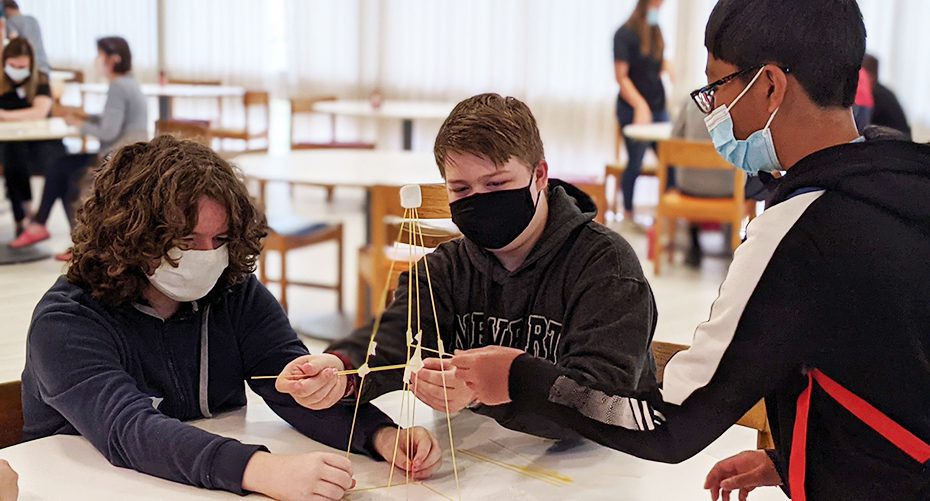
Even as many districts have seen improvement since last fall, some challenges remain, particularly around staffing. At Newfield Central School District, for example, Superintendent Eric Hartz said that a recent uptick in COVID-19 cases left the district so low on available staff that the district had to switch to remote instruction for several days.
“Part of the problem right now is that there is a strain of COVID going around, and we just got hit with it hard,” he said in an interview earlier this month. “We don’t have enough substitutes. Teachers have been amazing covering each other in classes because they have that ability here and they’ll cover, but we’re starting to burn our own teachers out too because they’re working other times and not getting to do their own preps. And so, the decision was made that it would be better to just, Tuesday through Friday, go remote with our middle school and high school. So, that’s where we’ve been this week.”
All of the sources interviewed for this story reported at least some challenges related to staffing shortages, including substitute teachers and bus drivers. At some schools, like TST BOCES, that shortage has meant shifting responsibilities to make everything work.
“We’ve had to move some people from building to building because we may have a hole on a particular day,” Matteson said. “We used to have more classroom aides. Well, now they’re all working directly with students. And that’s not something they’ve done for a while. So, yeah, I think reassignments, on a moment’s notice sometimes, can be disruptive to the plans someone had coming in to go to work. And all of a sudden, they have to go do something else that they may not be familiar with or as comfortable with. So, yeah, that’s been challenging for people.”
While some hurdles remain, administrators said that they’re better prepared now than when the pandemic first hit, and they’ve learned lots of new methods to get students the education they need.
“We’ve definitely learned that students learn best when they’re in person and when they can work collaboratively,” Day said. “When we’ve been able to loosen some of the restrictions, when they’re able to work together, learn together, they just do amazing things. … I’m just amazed at what [our staff] could do with online learning, the way they have had to pop back and forth between in person and remote and provide real academic experiences for kids. It’s really been amazing what they’ve been able to come up with, and a lot of those things we are keeping because we’ve discovered that they really worked well.”
The easing of pandemic challenges has also meant that schools have been able to focus on issues not related to COVID-19. At Newfield schools, for example, the district has been making steady progress for months addressing concerns surrounding racism (tinyurl.com/y6ej8zzb).
“We’ve been working real hard as a district on some new assessments and curriculum here and kind of restructuring who we are academically,” Hartz said. “And some of that work is also with DEI in mind, so that’s diversity and equity in mind. And we’re really excited about [it]. We’re working with BOCES right now, and we’re going to have a person one day a week help us out with our diversity and equity here. … I know people feel it’s a little slow, but it’s coming, and I feel like we are making great progress with it.”
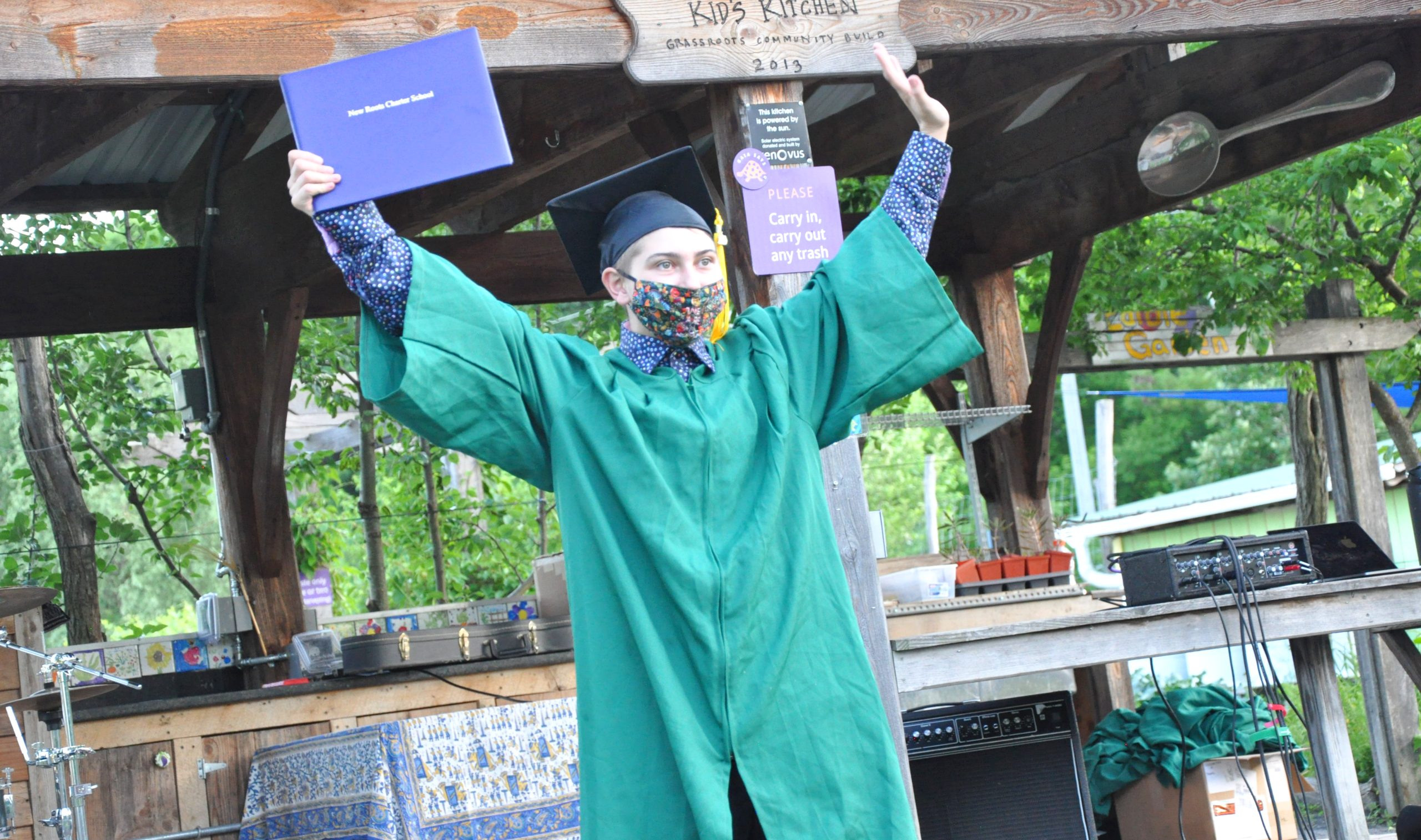
Looking ahead to graduation, all sources interviewed shared a universal feeling of excitement for their upcoming ceremony. Most said that, last year, they had to shift to an outdoor ceremony due to pandemic safety concerns, and they plan to stick with that formula this year.
“In 2020 and 2021, we held our graduation ceremonies outdoors at the Ithaca Children’s Garden,” Nilsen-Hodges said. “It’s quickly become a new tradition. We look forward to celebrating there again this year!”
As for next fall, administrators said that their experience this year has left them optimistic that next academic year will be even closer to the pre-pandemic normal.
“We’re definitely hoping for closer to normal,” Day said. “I’m hoping that families will be able to come back in the buildings in a more typical way as volunteers, visiting classrooms, coming to celebrations and parties, things of that nature. And I’m hoping that we can pull the best pieces of what we’ve learned from the last couple of years and really make it part of what we do every year. So, I think next year, we’ll be back to normal with a boost.”
Hartz added that he’s hoping for even fewer pandemic-related challenges by September.
“I’m really kind of hoping we can get to this endemic stage,” he said. “I’m hoping we can drop all of these five-day isolations. … It’s only going to help us, I think, with our academic ability to have kids in school closer together, back on the field trips, getting some people to come in, those kinds of things.”
For now, educational leaders are grateful for the cooperation and support they’ve received thus far.
“We’d like to offer deep gratitude to students, staff and their families for their willingness to adapt to the variety of safety measures we’ve used to keep our community safe throughout the pandemic,” said Michael Mazza, director of community engagement at New Roots.
Matteson shared appreciation for the entire community.
“We’re just grateful for the community that we live in and serve because we really feel good about the way this region has responded and stuck together, the partnerships we’ve developed and continued to solidify over time,” he said. “And I think that’s what creates a healthy community is those kinds of partnerships and good communication, good information and taking care of each other.”
To learn more about the districts mentioned in this story, visit Trumansburg’s website at tburgschools.org, Newfield at newfieldschools.org, New Roots at newrootsschool.org and TST BOCES at tstboces.org.
Jessica Wickham is the managing editor of Tompkins Weekly. Send story ideas to them at editorial@VizellaMedia.com.
Related Articles
Holiday traditions bring community cheer
Tompkins County holiday traditions light up homes, farms, and schools with festive cheer and community spirit.
The gift of an experience: Local businesses offer hands-on holiday fun
Holiday experience gifts in Tompkins County include candle making, gourd crafts, and pottery workshops for creative seasonal fun.
Code Blue shelter opens amid praise, concerns and ongoing debate
Ithaca’s Code Blue shelter opens with larger space, showers, and case management to help residents during cold weather.