Schools, colleges prepare for unpredictable fall semester

Last week, New York state schools received a series of guidance from Gov. Andrew Cuomo and the state Education Department on reopening schools this fall, and since then, it’s been all hands on deck trying to integrate those guidelines into the best reopening plan for each district before the July 31 deadline.
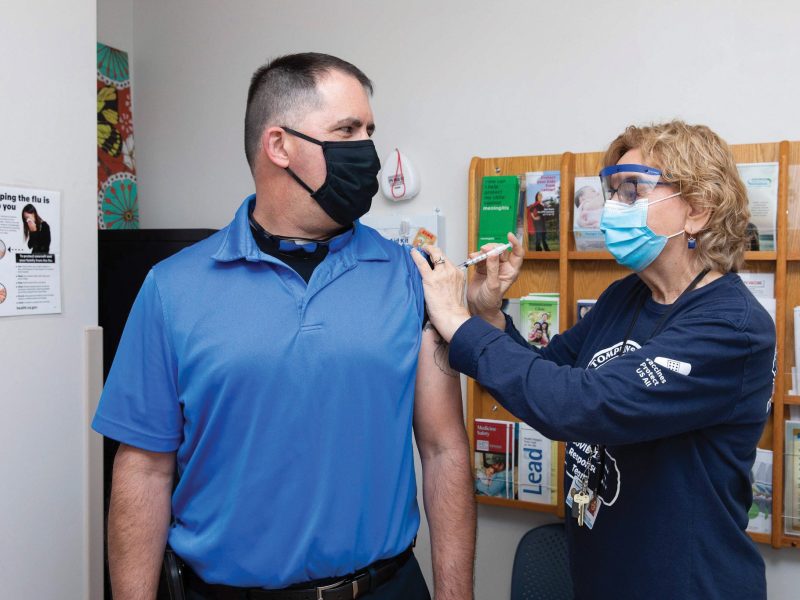
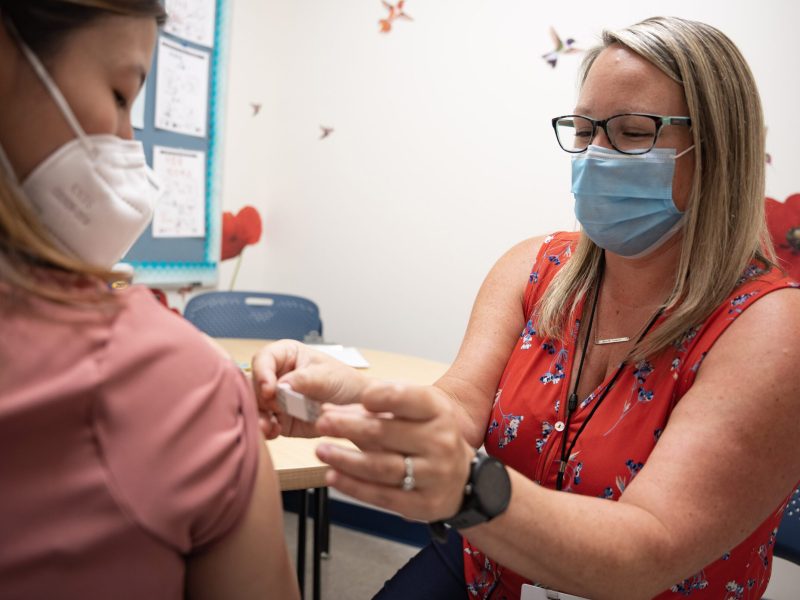
This certainly isn’t the first round of scrambling area schools have had to do. Since COVID-19 hit, area K-12 schools and colleges have had to adjust their learning models to accommodate social distancing, and with the fall semester fast approaching, they’re adjusting their models even more, factoring in safety measures, effective learning and preparation for the unexpected.
All three area colleges have announced plans for reopening for the fall semester, with significant variation between the different campuses. Tompkins Cortland Community College plans to begin fall classes on Aug. 31, Cornell University on Sept. 2, and Ithaca College the latest on Oct. 5, with all planning to integrate health and safety practices like testing, increased sanitation and social distancing.
Deborah Mohlenhoff, assistant vice president for college relations at TC3, explained why she and other college leaders wanted to make plans as detailed as possible and available to everyone.
“Families and potential students are now looking at a lot of things, and one of those things is, am I confident that if there is a problem or an outbreak that you have done everything you can do in order to ensure my safety?” she said. “It is crucial for us to be transparent with our plans, to talk actively about what the plans are, to do everything we can to educate students in the community about what the plans are.”
That transparency has meant that area colleges have had to make some hard decisions that aren’t always popular.
“While not all decisions have been popular, I’m proud to say that I know that behind the scenes, we spend a lot of time looking at different scenarios and having conversations,” said IC Vice President for Student Affairs and Campus Life Rosanna Ferro. “We always ended up with what is best for our communities and what is the responsible thing to do.”
Readers interested in learning more about the specifics of each university’s reopening plans can visit tompkinscortland.edu/coronavirus, covid.cornell.edu and ithaca.edu/news.
The K-12 side of things has been a little different, with only a few districts releasing reopening plan drafts, all drafts that require community feedback before being solidified.
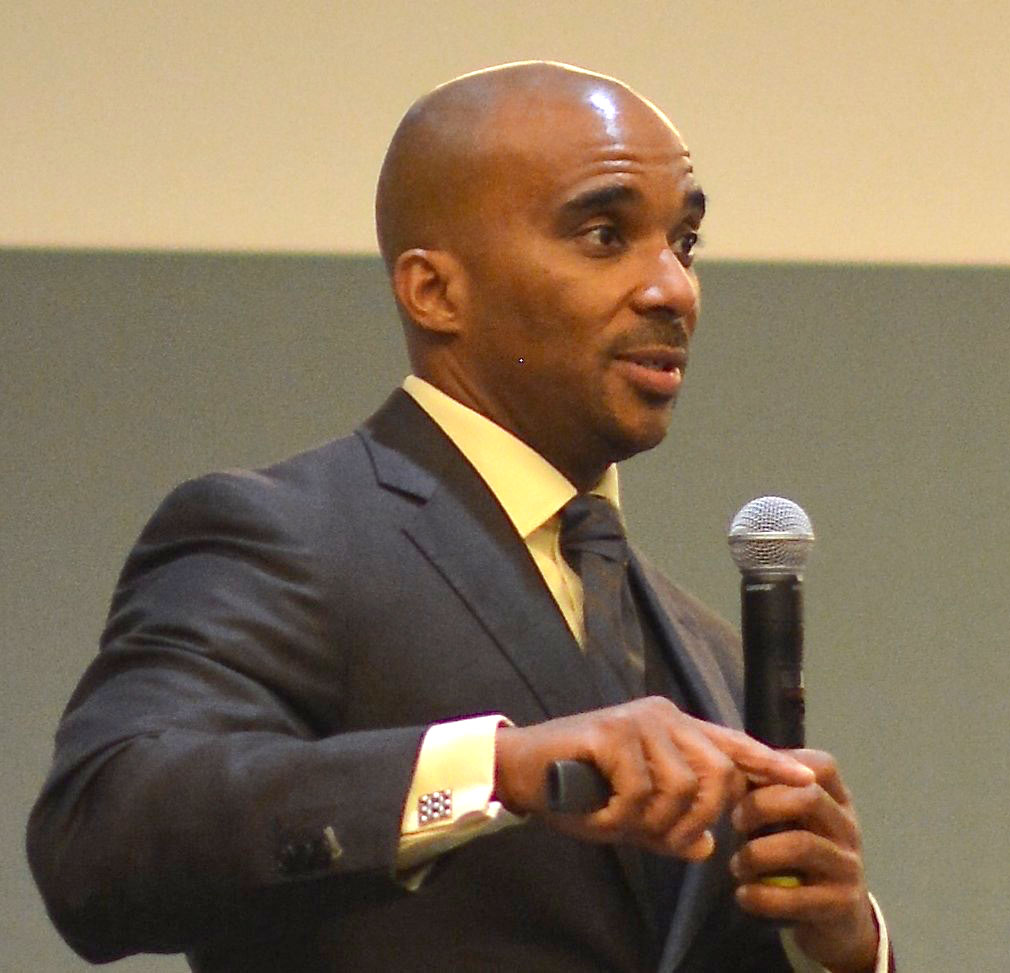
Newfield Central School District Acting Superintendent Eric Hartz explained some of the factors he and others have had to consider when deciding on the best reopening plans for each district.
“At the same time with health and safety is how to educate our kids,” Hartz said. “So, the whole picture is a concern because we want to make sure we’re following guidelines correctly. We want to make sure our teachers and our kids and our community are safe and healthy, and we need to make sure that we can educate our students.”
The guidelines released by the state are lengthy, particularly with the state Education Department’s 145-page guidance packet, so we won’t get into the full guidance here. Specifics of the guidance can be found at rb.gy/fiboxo, rb.gy/f8m0ui, the governor’s website (governor.ny.gov) or the state Education Department’s website (nysed.org).
More basically, the guidelines emphasize preventative actions like health checks and social distancing, providing proper nutrition to all students, promoting social-emotional well-being and ensuring safe transport to and from in-person classes.
Applying the detailed guidelines to the needs of each district is a challenge in itself since each district has its own needs, as U.S. Congressman Tom Reed explained.
“You have to break it down even further, not just talking county, but the school districts within Tompkins County,” he said. “Ithaca City School District is even different than Lansing, for example. And so, you have to take those unique circumstances into consideration.”
Administrators are being tasked with applying that guidance on a tight timeline. Guidance on reopening was only released last week, K-12 schools have until the end of the month to finalize plans, and the governor won’t be announcing whether schools can reopen until Aug. 7.
“It’s just a significant amount of information to sort through and then to implement in our schools in a timely manner,” said Luvelle Brown, Ithaca City School District superintendent. “We’ve been planning for months, but it’s still going to be challenging to make all these adjustments and preparations in time for young people to be here.”
Still, many sources interviewed for this story expressed an appreciation for the guidance and the added assistance from the Tompkins County Public Health Department.
“I was relieved to finally get guide guidance from the state because we know that that’s really the guidance that we need to adhere to in order to get the state [to] review our plan, and they will give us the thumbs up to open,” said Kimberly
Bell, superintendent for Trumansburg Central School District.
Versatility is built into the reopening plans and talks of all area school districts. As TST BOCES District Superintendent Jeff Matteson explained, versatility is a must because many area parents have expressed concern for the health and safety of their kids.
“This is one of the reasons we’re trying to build a model that is available, whether everyone’s here or everyone’s remote or everyone’s partially here and partially remote, so that we can accommodate the real issues we have right now with this virus and people needing to have some accommodation, both to get through education and get the work done,” Matteson said.
Another large factor districts have had to consider is how to accommodate teachers and other staff members needing sick leave and still being able to provide the education students need.
“We do not have a large backup of substitute teachers at all to come in if we have people that are out for seven to 14 days due to quarantining and of course, all the tracing that will need to happen within a district to make sure that our students and faculty and staff are safe,” said Chris Pettograsso, Lansing Central School District superintendent.
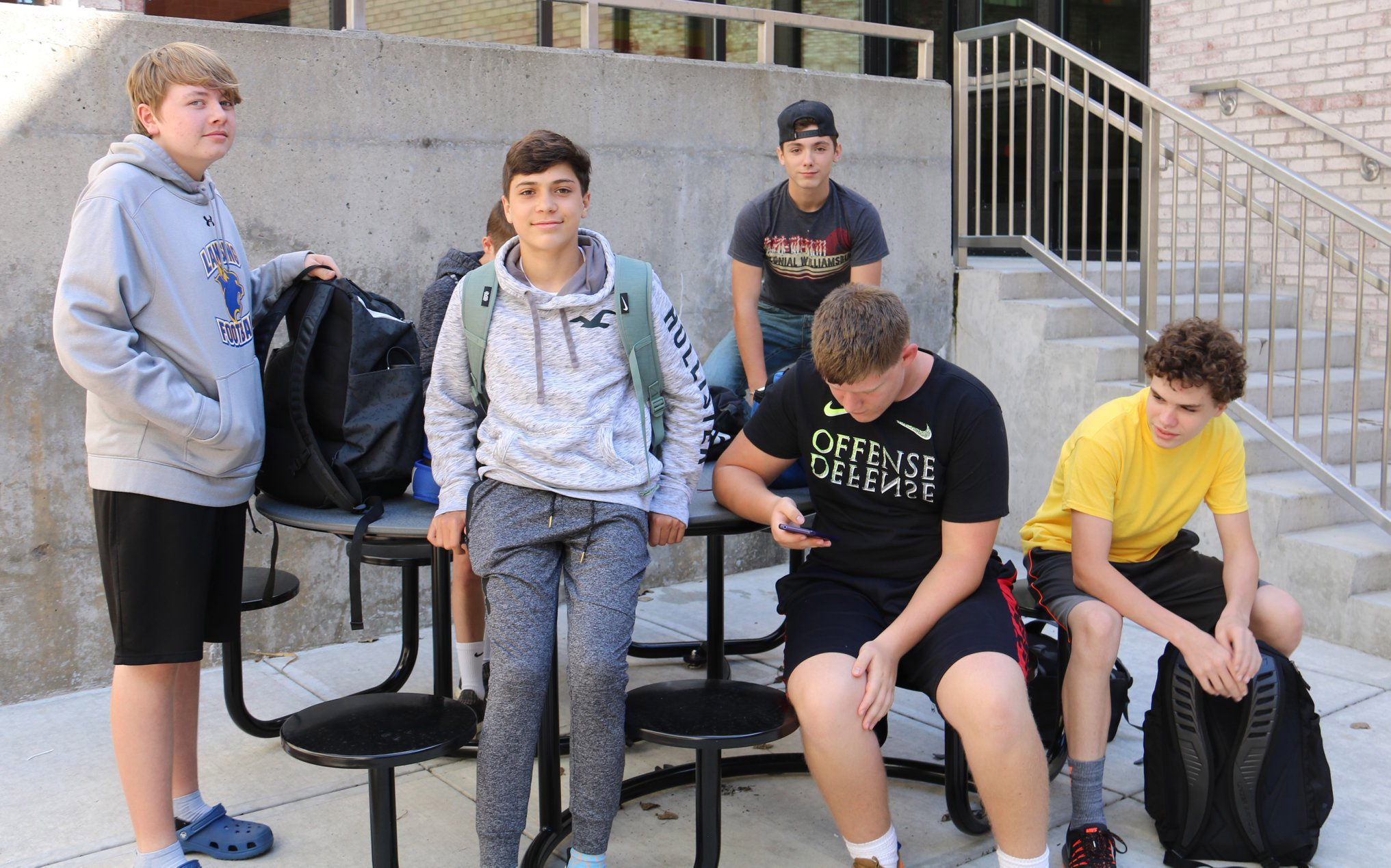
Area colleges and K-12 schools alike are all planning for worst-case scenarios like increased numbers of COVID-19 cases forcing schools to shut down yet again, and local groups like the Health Department, Cayuga Medical Center and others have helped education leaders from colleges and K-12 districts better plan for the unexpected.
“It’s really trying to help them understand and interpret the public health information in order to develop an implementation plan in their sector,” Public Health Director Frank Kruppa said. “[We need] to communicate with each other and teach each other each of our areas of expertise so that we can come up with the best plan that would be the most safe for students, faculty, staff, as well as our community at large.”
Several sources expressed that more help is needed, mainly additional funding from the state and federal government.
“Personal protective equipment is expensive,” Matteson said. “Cleaning equipment is expensive. The amount of modifications we’re having to do just to move people around and purchasing barriers between certain people for doing therapies, all that stuff costs money, and it’s not money that people had pre-budgeted for.”
Despite all the uncertainty, one thing is for sure: life for students and staff at these schools and colleges will look very different come fall. But all sources emphasized that having a detailed reopening plan is crucial to ensure things go as smoothly as possible.
“We’re educating thousands, over 6,000 young people … so, we better have a great plan for all that we do,” Brown said. “Particularly now, as our country, our world has been disrupted by this pandemic, our leadership, our planning, our thoughtful strategic actions are needed now more than ever.”
Sources welcomed the community to take an active role in the reopening planning process, encouraging parents and residents to reach out with their concerns. To find out more information on each district’s reopening plans and how to get involved, visit the districts’ websites (Ithaca at ithacacityschools.org, Lansing at lansingschools.org, Dryden at dryden.k12.ny.us, Trumansburg at tburgschools.org, Groton at grotoncs.org and Newfield at newfieldschools.org).
Overall, sources expressed faith in their staff and appreciation toward community members who have consistently been patient and understanding throughout the planning process. Moving forward, many sources said that the pandemic, while challenging, presents an opportunity to re-examine the learning experience, which many plan to act on.
“I am very hopeful that we have a plan that is going to provide the best instruction possible for our students given the circumstances that we’re under and really take this as an opportunity to improve some of the ways we think about instructing and how can we prioritize our standards so that we’re really affording kids opportunity to dig deeper into fewer concepts, but those concepts are the ones they really need to be successful at the next level,” Groton Central School District Superintendent Margo Martin said.