
Solar leases will require scrutiny
By Sue Smith-Heavenrich
The land men are back—but this time they want access to sunshine, not natural gas. And, says attorney Chris Denton, they’re using the same high-pressure tactics on farmers and other landowners that the gas companies employed.
These aren’t people looking to install residential solar systems, or community solar projects such as those that Renovus installs, Denton, of Elmira, explains. These folks represent “Wall Street Solar”—energy companies looking to cash in on state and federal grants and credits.
Meeting New York State’s electrical needs with solar energy will require industrial facilities situated on some 19,000 acres, says Bob Williams, an environmental scientist. This is why the companies are heading upstate looking for land. Building large, multi-acre solar arrays also requires construction of access roads and utility poles or underground lines for distributing the energy.
Companies constructing these industrial solar facilities face the same environmental issues as industrialized gas drilling and pipelines: protecting wetlands and water bodies; identifying threatened and endangered species; obtaining storm water discharge permits; completing state environmental reviews (SEQRs); and local zoning.
Unlike its treatment of gas and oil exploration and mining, says Williams, the New York State Department of Environmental Conservation (DEC) hasn’t written regulatory guidelines for large-scale solar development. That creates lots of questions about land use changes, land restoration, end-of-life decommissioning and the impacts of these huge facilities on land values.
On Wednesday, May 18, Denton and Williams will be in Ithaca to discuss the pros and cons of leasing land for solar energy. The money may sound good—with offers of $1,500 an acre for 15 years— but just like a gas lease, Denton says, a solar lease is “complex business transaction masquerading as a lottery ticket.”
It doesn’t matter whether it’s gas or wind or solar, he told farmers and landowners at an April meeting in Schuyler County, when someone knocks on your door with a lease, they want something. And the land men who you bargain with over the terms of the lease are not the people who will operate the solar facility.
Denton urged landowners to take careful notes on what the land men promise. If it’s not in the lease, then they either forgot or misrepresented that issue. In particular, Denton warned landowners to watch out for LLCs, noting that some of these leases pass all the risk on to the landowner.
“If you had a gas lease, it would be more protective,” Denton suggested. He ticked off a few issyes landowners should consider, beginning with protecting natural resources on the land. Unless the tenant—the solar energy company—pays appropriate compensation for those resources, the landowner must reserve the rights to wind, forest products, water, oil and gas, and minerals. That can be difficult if an industrial-sized solar array is planned, because landowners lose access to the property upon which the solar collectors are built.
“You lose wind power because you have to ensure that the area around the solar arrays has access to sunlight,” Denton said. “You lose surface access to rock resources, and even the ability to continue agricultural activities on that land. When you put a wind turbine up, you can still use the land under it.”
Landowners familiar with oil and gas leases will discover that not only do solar leases not pay a signing bonus, they don’t pay for the land under lease until the solar array is fully constructed and ready to produce energy. Denton listed some of the clauses he’s seen in solar leases, such as giving the company rights of first refusal. “So if you want to pass the land on to your kids, the company gets first dibs,” he said.
Some leases have a clause that prohibits people from leasing any other property they own to a competitor. They have no language regarding removal of solar arrays, disposal of waste, or restoration agricultural land. They may also have language that says the farmer can’t emit “suspended matter” on the land, such as dust from cultivating an adjacent field.
Other issues include the large amount of pesticides used to control weeds between panels, and erosion runnels created when storm water sluices off the edges of those panels.
Denton is also concerned that once the grants, credits and other incentives end, industrial solar facilities will be abandoned by the operators. That could happen after 15 years of a 20- or 30-year lease. Also, fast-changing technology may encourage a company to abandon a solar farm when panels become obsolete.
Earlier in April, Matt Brower addressed farmers in Broome County about the potential agricultural impacts from large-scale solar development. Brower, the associate environmental analyst for the New York State Department of Agriculture and Markets, explained that the state has a provision in agricultural district law that says “municipalities cannot unreasonably restrict farm operations located in an agricultural district.” But, he noted, industrialized solar is not an agricultural practice, so that use would not fall under the ag district protections. Furthermore, land taken out of production by solar arrays would no longer qualify for an agriculture assessment, and farmers would face a penalty for converting to non-agricultural use.
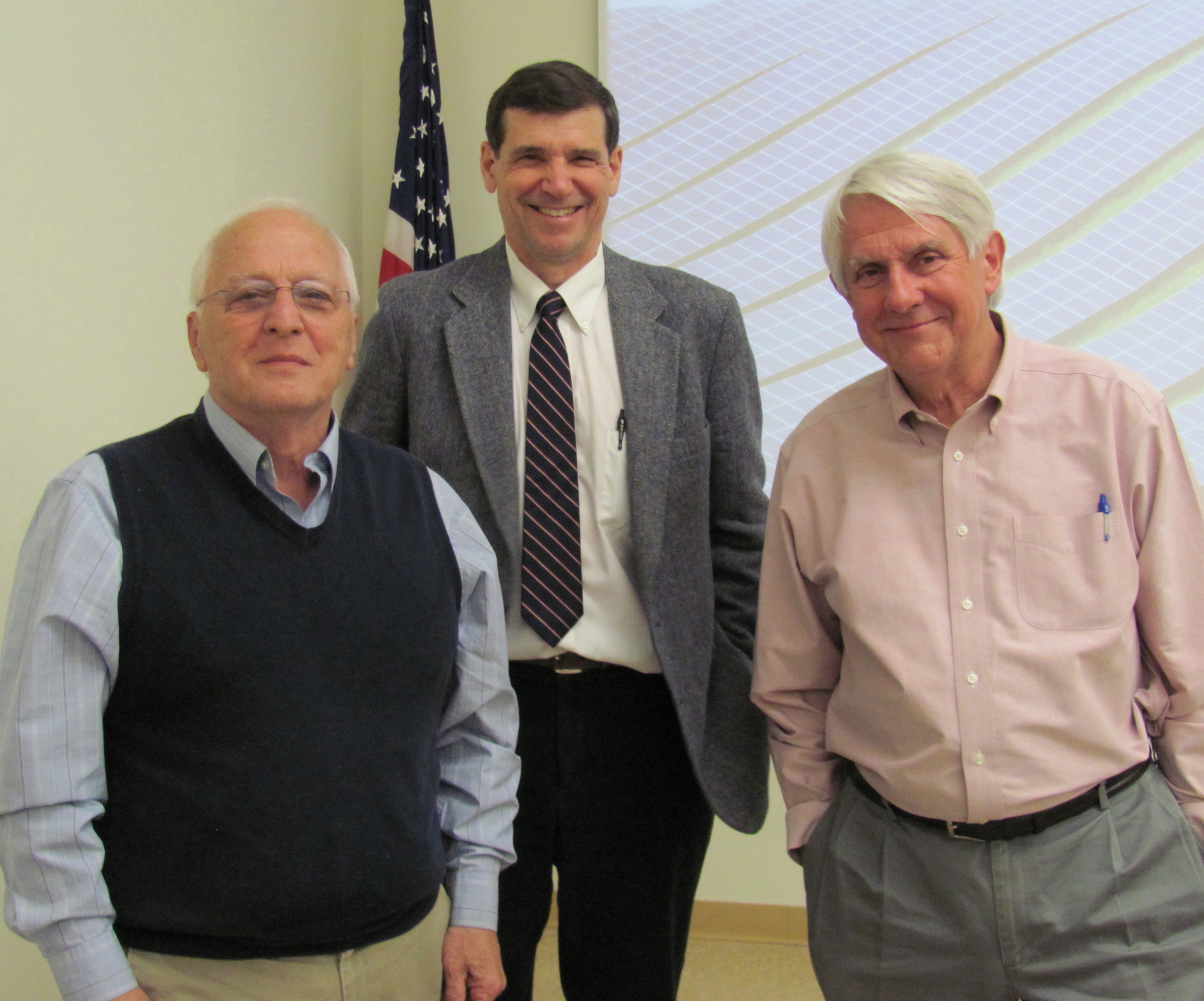
Chris Denton, Bob Williams, and CPA James Leonard will discuss “Leasing Your Land For Solar Energy” on May 18 at the Ramada Inn, 2310 Triphammer Road in Ithaca, from 6 to 8 p.m. The free program is hosted by the Tompkins County Farm Bureau and Ithaca Board of Realtors. Reservations are appreciated. Call 257-1001 for more information.
Related Articles
5 things to do in Tompkins County this weekend
Plan your visit and discover what’s happening this weekend.
Tompkins Chamber announces Rob Montana as new vice president
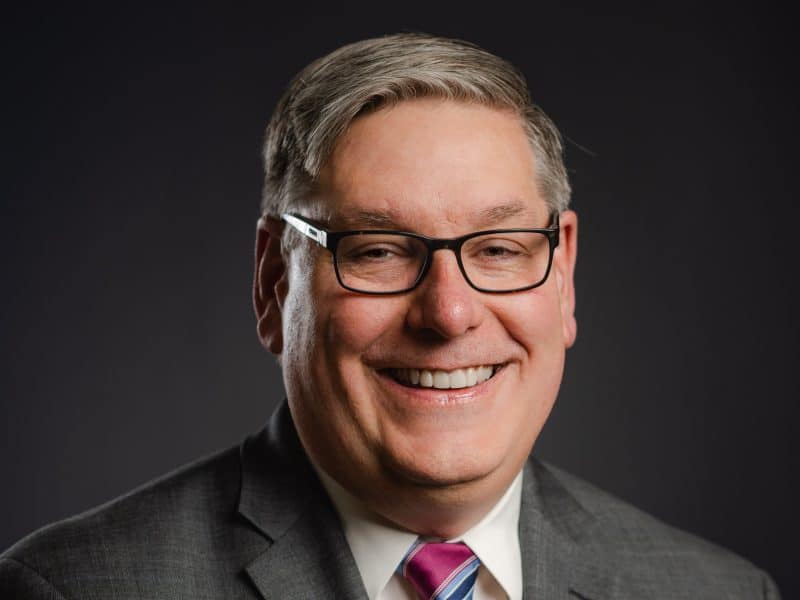
Rob Montana, community leader and communications professional, has been appointed vice president of the Tompkins Chamber, where he will help drive economic growth, workforce development, and community engagement.