
Sold: The Town of Ulysses has found a buyer for the historic Jacksonville church
By Jamie Swinnerton
Tompkins Weekly
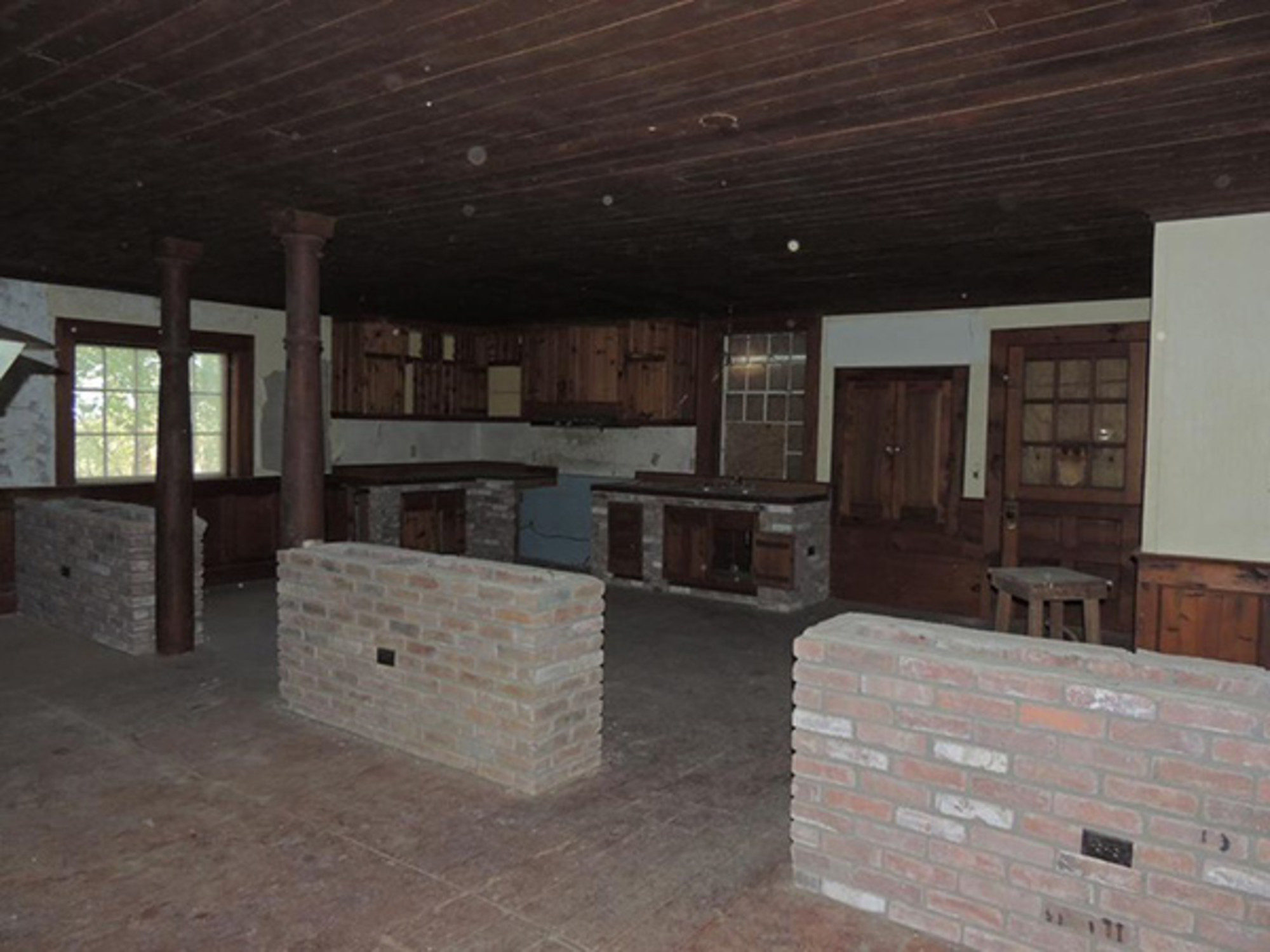
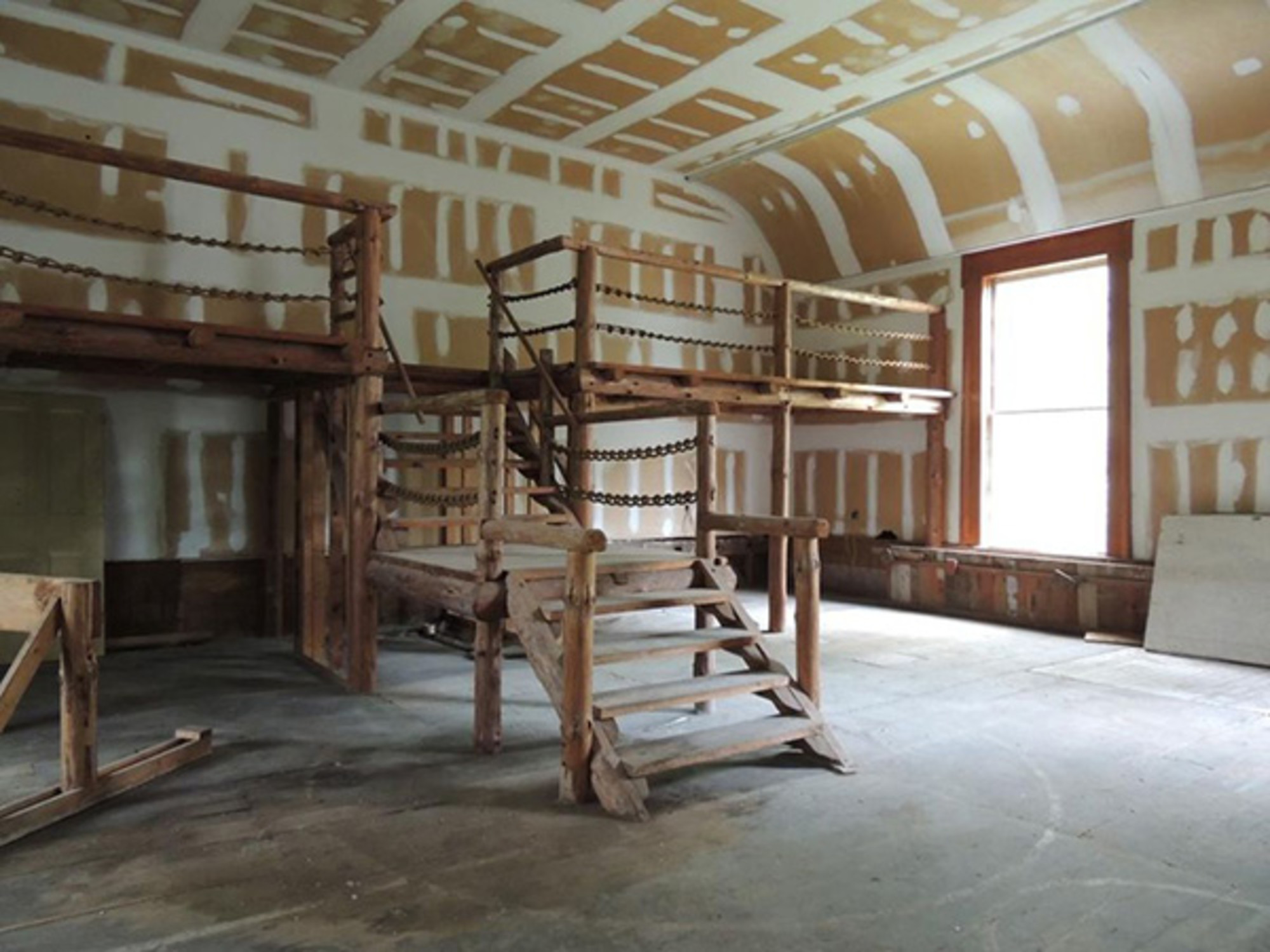
Residents of the Town of Ulysses and the Hamlet of Jacksonville are all too familiar with the Old Church that has sat vacant and decaying for years on Jacksonville Road. But, good news has arrived for the future of the church, and for the local residents.
Back in the 1970s, an Exxon Mobile gas station on Route 96 leaked, contaminating local groundwater and wells. Eventually, Exxon bought three of the contaminated properties in the Hamlet and razed two of the lots. The Old Jacksonville Church they left intact, possibly for fear of further angering the local community. For many years Exxon has operated as something of an absentee landlord to the three lots and the church. As far as maintenance goes, someone paid by the oil giant would occasionally come and mow the grass, but that was about it.
In February of 2017, the Town of Ulysses bought the three properties from Exxon, always with the intent of selling the church. Nancy Zahler, a member of the Ulysses Town Board has been very involved in the process of buying, and selling, the church.
“From the very beginning when the Exxon Mobil properties became available, the church, in particular, was a prime target to consider purchasing to be able to preserve it as a historic building,” Zahler said.
The town board knew that if Exxon sold the property directly to a private buyer, that buyer would be able to do with the building anything they wanted. To help preserve the structure, after the town bought the church it worked with the local non-profit Historic Ithaca to create historic Deed restrictions for the property that a buyer would have to adhere to.
“I think early on we as a town board understood that the amount of money that it would take to really invest in stabilizing and renovating the building would be more than what our town taxpayers could really afford,” Zahler said.
So, in October of 2017, the church was put on the market for $65,000, a price that was based on what Exxon had marketed the property at. The board didn’t really have much else to compare the Old Church to while trying to decide what to sell it for. Selling the lots back to a private buyer also means the town will be getting property tax revenue on them. After buying the three lots for $5,001 from Exxon, and investing in around $25,000 more in cleaning, maintenance, taxes to the school board and to themselves, and insurance, the town has spent about $30,000 in all on the lots and the church. But they want to make at least some of that money back.
“We knew that we wanted to set a threshold of being able to cover our costs,” Zahler said. “The commitment we made to the public was to be able to take this project on, to use town money, but to be able to recoup those costs”
But Zahler said the board does not yet know what it will do with the money it gets from the sale of the church.
“My personal view is that some portion of that can and should be dedicated for other improvements in Jacksonville,” Zahler said.
To entice more bids the town lowered the price to $59,500 in December, and again to $49,500 in February of 2018. Finally, last month the town board announced that it had received four bids and had chosen a buyer. With advice from its attorney, the town board had developed a set of questions for each potential buyer about funding, intent, compatibility with the comprehensive plan, and comparability with the character of Jacksonville, and criteria for reviewing each proposal to create a score. A minimum score was set to keep the town safe from selling to an unsatisfactory buyer even if they had the highest score.
One of the main concerns for the board was ensuring that the buyer would not only have the funds to buy the building but would also have the funds to refurbish the building. The board didn’t want the church to sit empty and decaying for much longer.
“That wouldn’t get us much further beyond when Exxon owned it,” Zahler said.
The winning bid, from architect Cameron Neuhoff, had a score of 139 and final offer of $50,000: “Cash offer from architect/builder to renovate exterior and then develop a personal residence and a mixed use space with input from the community. Funds for renovation being finalized,” according to town documents.
The sale of the church is subject to permissive referendum. This means that Ulysses residents have 30 days to object and petition to have the town hold a public referendum where residents can vote yes or no on the town’s plan to sell. The 30 days will be up on April 12.
Neuhoff is an architect who graduated from Cornell University in 2016 and is currently traveling across the country for a travel fellowship. He found the listing for the Old Church online and saw in the pictures the potential for something great. He’s yet to step onto his new land (he bought both the church and the empty lot next door) but he’s excited to see what it can become.
“I just thought it would be an amazing opportunity to hone my own skillset as well as to provide something for a larger community than just myself,” Neuhoff said. “As well as have a nice place to stay.”
Starting in May, Neuhoff will be working for Trumansburg area architect Jonathan Ferrari. It’s why he started looking for a place to live in the area. He considered renting but was also interested in finding a home he could make his own. Right now, he doesn’t have any concrete plans for the church beside renovating the exterior, while making sure he’s following the historic preservation guidelines set forth by the town.
“I kind of just want to be in the space for a period of time,” Neuhoff said.
He knows he wants to make one floor residential, but the other floor is still undecided. Maybe a restaurant or a café. Neuhoff said he wants to first connect with the community to find out what ideas they have for the space.
“I have this asset that could be a nice community space,” Neuhoff said. “So, asking for input of what they would like to see in it.”
The history of the lot and the groundwater doesn’t seem to bother Neuhoff. When he first saw the structure he said he saw it’s value and the possibility of renewed life.
“What I’m hoping to do is revitalize it,” Neuhoff said. “I think that’s exactly what the community wants, and that is what I would like to see in that structure. I’m very interested in general in re-use and salvage, and how that applies to architectural design and the opportunities that could provide to architecture.”
What was old can once again be made new, and such could be the case for the Jacksonville Old Church.
Related Articles
5 things to do in Tompkins County this weekend
Plan your visit and discover what’s happening this weekend.

Tompkins Chamber announces Rob Montana as new vice president
Rob Montana, community leader and communications professional, has been appointed vice president of the Tompkins Chamber, where he will help drive economic growth, workforce development, and community engagement.