By Rob Montana Tompkins Weekly
Non-profit organizations are plentiful throughout Tompkins County, and make a big impact in our communities. Despite their contributions, area non-profits can sometimes go unnoticed or unknown. In an effort to shine a spotlight on those who are making a difference in our county, Tompkins Weekly will be showcasing these organizations on a regular basis.
This week we are highlighting Ithaca Neighborhood Housing Services. To learn more about the organization and the clinic, we asked Suzanne Cerquone, director of community relations, about INHS and what it does for the community.
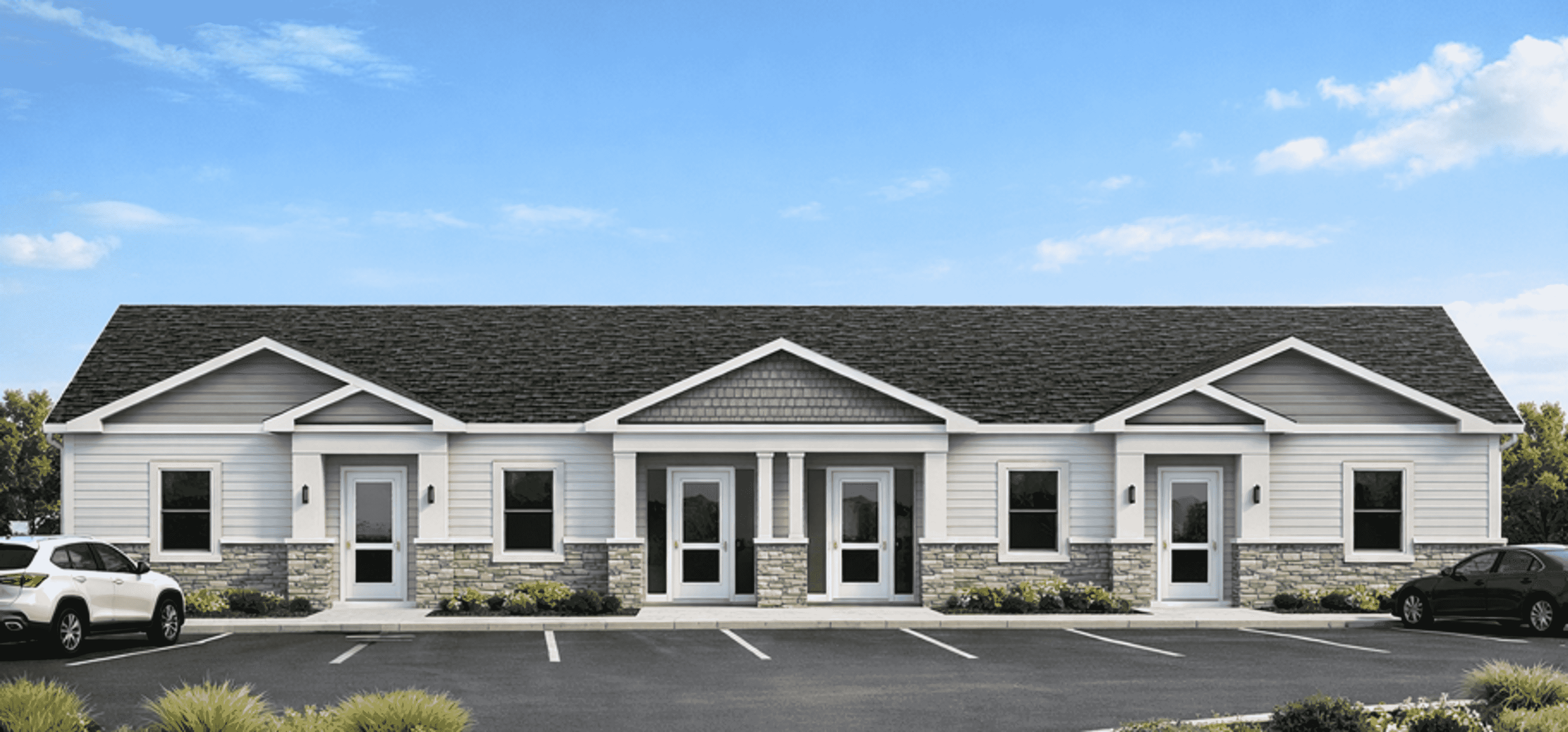
Tompkins Weekly: What is your mission? Suzanne Cerquone: Ithaca Neighborhood Housing Services is dedicated to helping people of modest incomes find – and stay in – high-quality housing throughout central New York, a goal that benefits the entire community. We're accomplishing this by providing low-interest loans to first-time home buyers, managing well-maintained rental units, rehabbing old homes, providing home repair assistance to seniors, and building new LEED-certified houses.
TW: How do you fulfill that mission? SC: INHS got its start by trying a new way to reverse the decline of downtown Ithaca: fixing homes up rather than tearing them down. In the 1960s and 1970s, Ithaca faced many of the problems challenging urban areas across the nation: a depressed economy, deteriorating housing, and the flight of homeowners to the suburbs. Most of the homes in Ithaca's downtown neighborhoods were more than 100 years old, but owners could not get bank loans to buy new ones and didn't have the skills or financial resources to make repairs.
Fast forward to today, and while the real estate market and downtown Ithaca's housing stock is radically different from the 1970s, homeowners face new challenges buying a home in the City of Ithaca, or in towns surrounding it. As Ithaca has become more of a desirable place to live and its economy has proved strong compared to neighboring regions, INHS has focused on increasing affordable rentals. With Ithaca facing a vacancy rate of 0.5 percent (the national average is 7 percent) and rents that compare with much larger cities, lower income people are forced to live outside the city, creating long commutes and less work/life balance.
Our mission is sadly easy to fulfil based on market conditions. But INHS views their mission as more than just facts and figures. We believe it's important for low to moderate income people to have access to and enjoy the best of what our community offers. Gone are the days of “projects” or putting poor people into one section of town. Our rental developments represent people from all walks of life and income levels: The car mechanic, the Wegmans worker, the teacher.
We have become a strong organization because of the community who supports our mission and also because we employ strong, caring individuals who really understand how important our work in the community is. Our Board of Directors has also been an essential asset in this regard.
TW: What are the biggest challenges your organization faces? SC: Like many other non-profits, we depend on local, state, and federal funding to serve our clients. Despite these funding levels fluctuating frequently, we've been able to create a solid financial foundation to keep the doors open. That's why we are grateful for the financial support from individual and corporate donors – it enables us to serve more people.
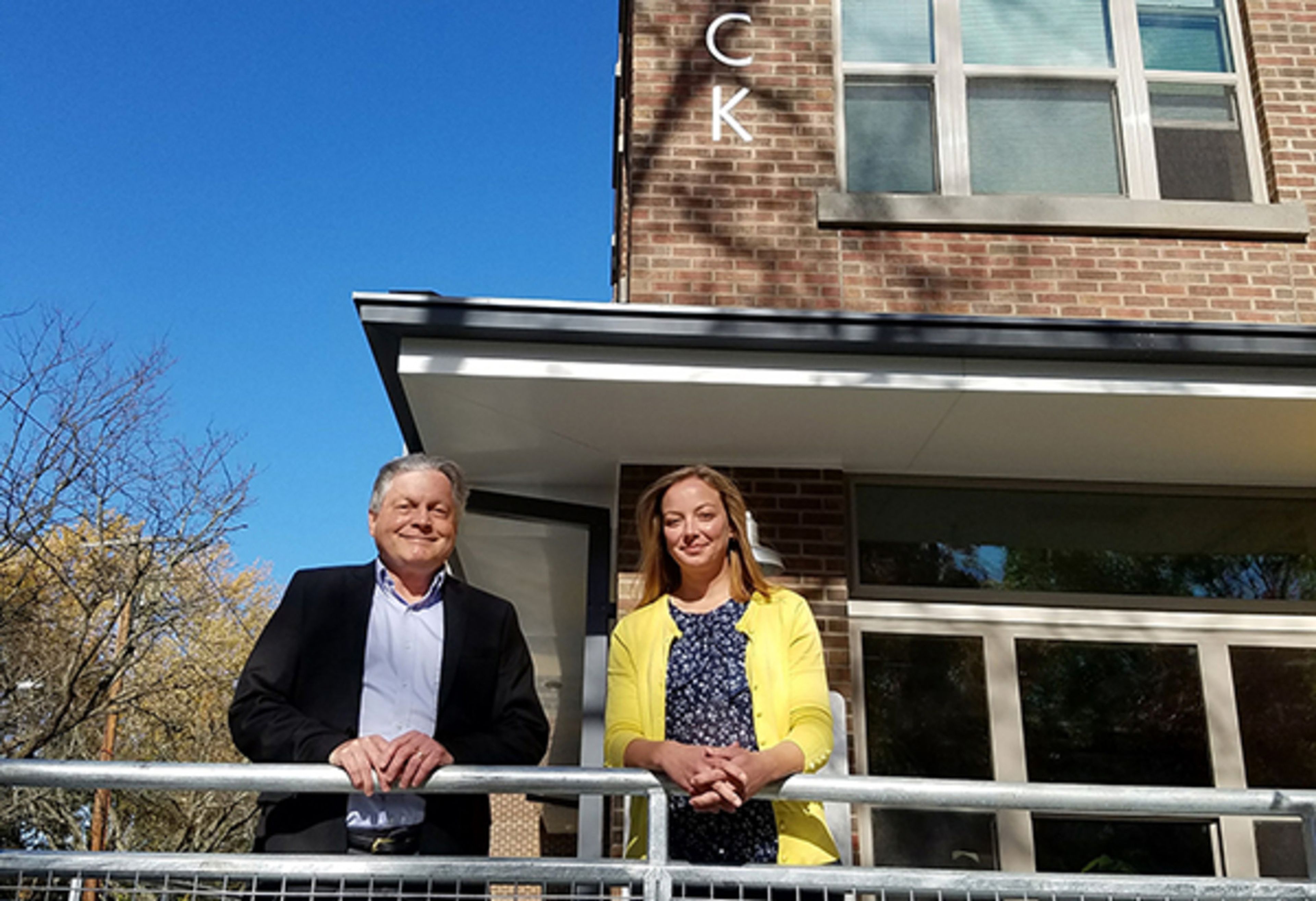
INHS is always challenged by the incredible need for affordable housing in the region, and where it makes sense for us to develop new projects. Our recently completed development in the Northside neighborhood, 210 Hancock Apartments, had 200 applicants for its 59 units, which really speaks to this need.
We'll always pay attention to Ithaca's housing needs, but we are also looking down the road to Trumansburg and beyond. We are currently building workforce housing near del Lago casino in Tyre, Seneca County, where there is very little housing to begin with. While we are well known in Ithaca and usually embraced for the work we do, we have more work to do to create strong relationships and partnerships in other areas.
At the end of 2017, our executive director of 27 years, Paul Mazzarella, retires. Paul has worked creatively and strategically to grow INHS to where it is today, and will be greatly missed. New Executive Director Johanna Anderson brings a wealth of experience to INHS and is really looking forward to embracing INHS's future challenges as well as getting to know the community.
TW: What is something people do not know about your organization? SC: Fifty-nine percent of our clients are female heads of household, usually single mothers renting or buying their first home, or senior citizens being served by our Home Repair program.
TW: How can people best support your mission? SC: That's easy: Talk to us! We know how important housing is in this community, and we would love to hear your ideas and experiences. We would love to create long-lasting connections that better serve our area. Contact me at scerquone@ithacanhs.org. – – – For more information about INHS, visit its website at IthacaNHS.org or its Facebook page at Facebook.com/IthacaNHS.