
State issues first round of retail cannabis licenses; locals react
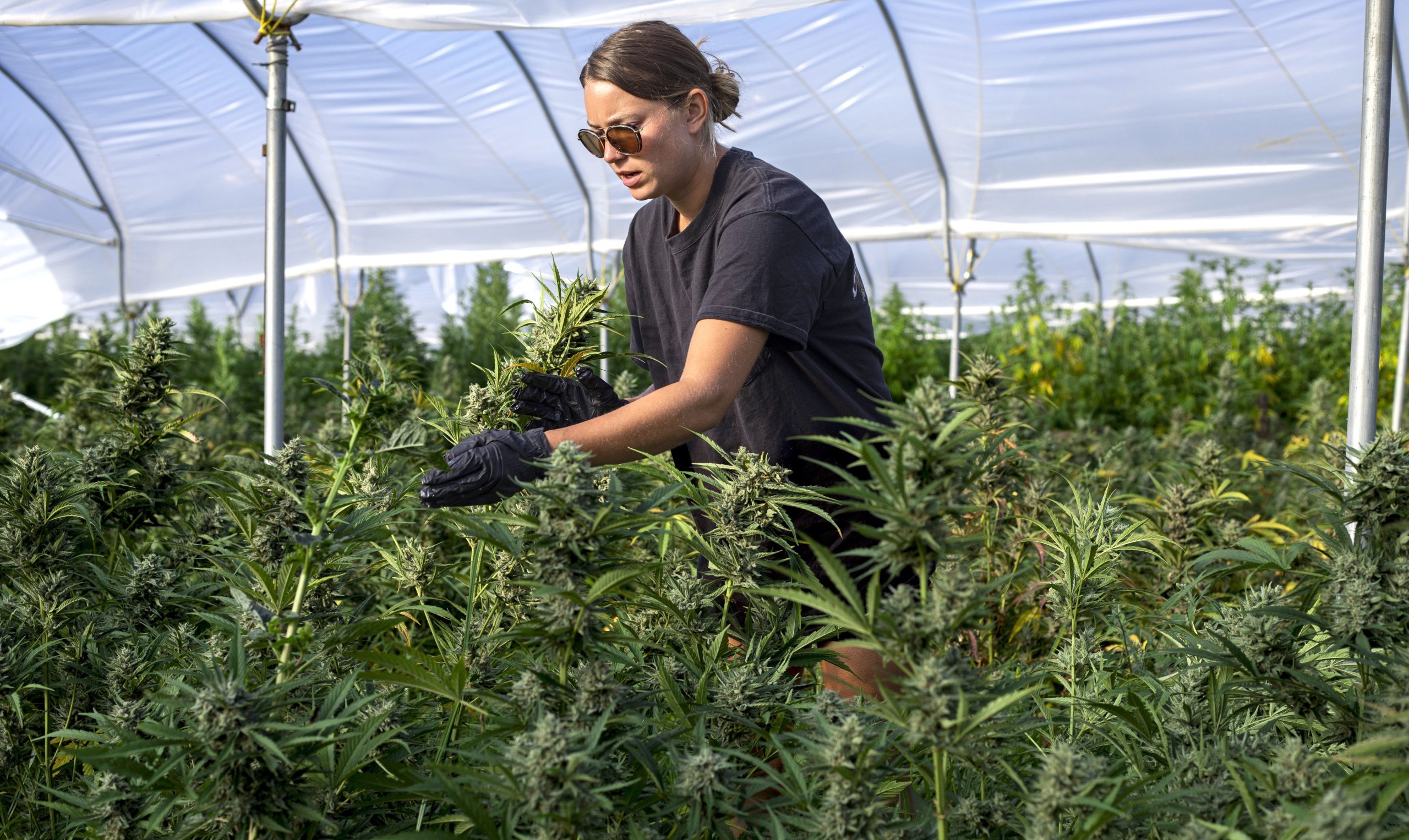
Around this time last year, the biggest piece of news regarding marijuana legislation was a looming deadline causing municipalities across the region to debate whether to allow retail marijuana dispensaries and on-site consumption sites (tinyurl.com/y2wbe8tq). Now, with that deadline long gone, a new development has taken center stage.
On Nov. 21 of this year, the state’s Office of Cannabis Management (OCM) issued its first round of retail licenses, two of which went to the Southern Tier. Only one license was issued to a Tompkins County entity — the nonprofit Challenge Workforce Solutions in Ithaca. The city is one of the municipalities that chose not to opt out of retail dispensaries or consumption sites last year (tinyurl.com/y3s8uf6w).
While Challenge didn’t respond to Tompkins Weekly’s request for comment, City Deputy Director of Economic Development Thomas Knipe said that in his talks with Challenge, leadership there is clearly excited for the opportunities this license will bring to them.
“I spoke with the CEO of Challenge, and they’re thrilled about this,” Knipe said. “They see this as part of their mission — support workforce development in our community with a focus on folks with developmental disabilities. So, not only will that provide additional job opportunities for their clients and customers; any profits from the business will flow directly back into their mission. So, I think it’s incredibly exciting.”
Knipe said that over the past year or so, he’s fielded plenty of questions and feedback from people across the county and region regarding retail licenses, particularly from cultivators eager for businesses at which to sell their products.
“Because a number of folks received conditional cultivator licenses this summer, they’ve been anxious to have the regulated retail market begin so that they can sell their products through the regulated market,” he said.
Tompkins Weekly covered one of those cultivator licensees this spring (tinyurl.com/2r2uelpf), the Cortland-based business and Ithaca Farmers Market regular Main Street Farms (mainstreetfarms.com).
Main Street Farms has long been in the business of growing marijuana plants, primarily to create CBD products for New York Hemp Oil (newyorkhempoil.com), which has now branched its product lines into two brands — Head & Heal (headandheal.com), dedicated to wellness products, and Florist Farms (floristfarms.com), dedicated to recreational products.
Karli Miller-Hornick, who co-founded New York Hemp Oil with Main Street Farms’ co-owner Allan Gandelman, said that even though the first round of licenses doesn’t come close to enough to meet the state’s demand for recreational marijuana, she’s glad to see this first important step to getting there.
“Our customers are really excited,” she said. “We have a really great following. And we’ve been posting some pictures on Instagram of some of the plants and the fields and some beauty shots. People are just really excited to have legal cannabis in New York and have access to cannabis in New York. So, I think everyone’s just kind of sitting and waiting for the first store to open to be able to go in and really explore and buy products.”
Other businesses that work in the cannabis and related industries in the county largely expressed a similar level of excitement or at least a lack of concern about the possibility of dispensaries opening around the county.
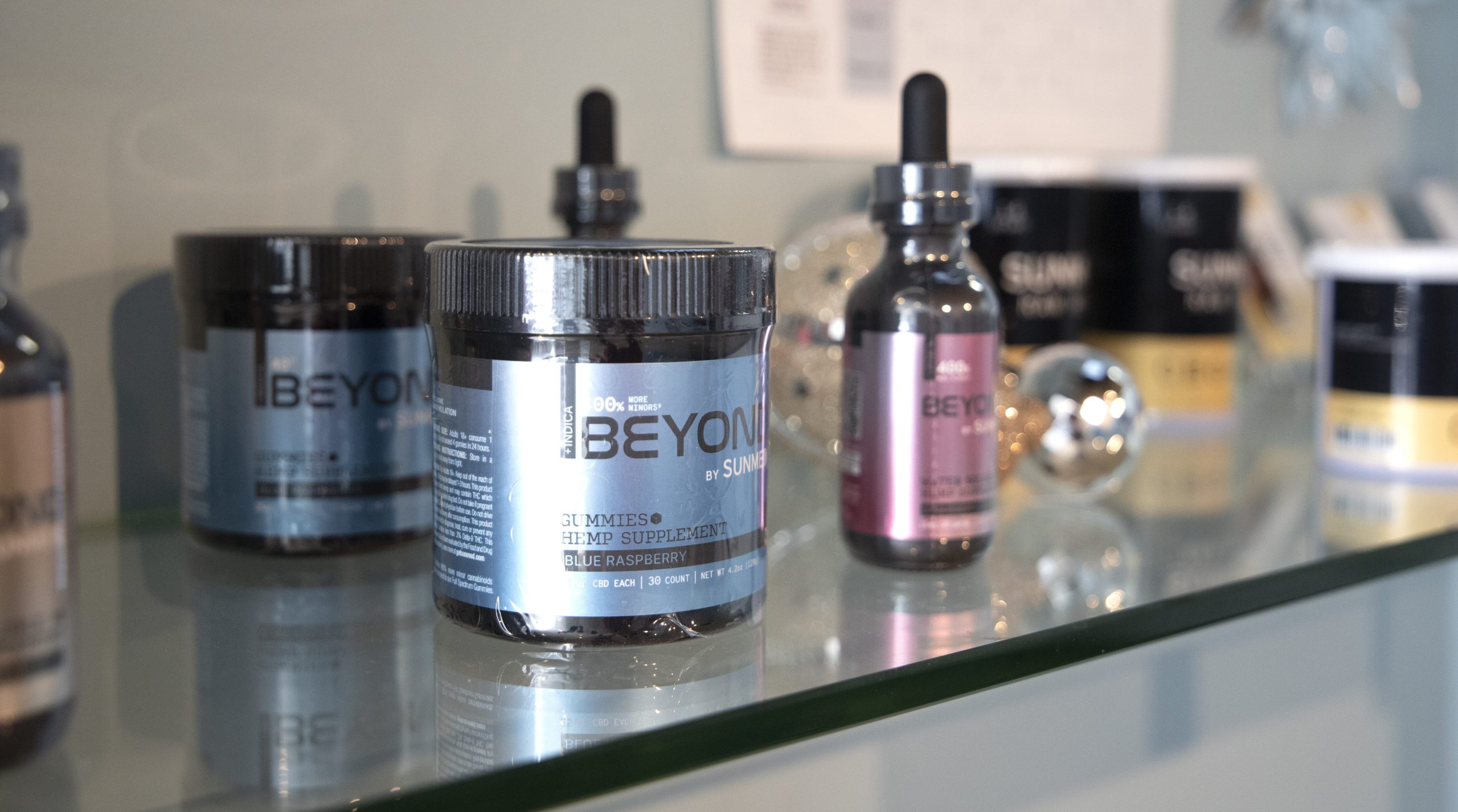
Your CBD Store in Ithaca, for example, sells hemp extract products like CBD oil and THC gummies, all oriented around health and wellness. Manager Kate Reed said that because of her store’s wellness focus, it’s unlikely a retail dispensary would directly compete with Your CBD Store.
“I’m very glad that the state is moving forward with dispensaries and having a place where people can get quality products for what they need,” she said. “It won’t affect people still needing CBD. We do have our own THC products that [are] extracted from a hemp plant, so you’re allowed to have a more therapeutic approach to it. And when you combine that with CBD, you’ll get relief from chronic pain, insomnia, stress without the high of marijuana. So, while there is certainly a need for just flower, there will always still be a need for the pain relief, without the side effects with being high.”
James Stout, owner of Stout’s Hemp Shop in Ithaca (facebook.com/stoutshempshop/), told Tompkins Weekly last year that he planned to apply for a retail license once applications opened. While his business was too new to qualify for the first round, he’s keeping his eye out for the second round to open so he can finally apply. In the meantime, he said he doesn’t see retail dispensaries as being a threat to businesses like his.
“If somebody opens up an actual retail store that has the license and is doing it, in my case, it shouldn’t really affect us too much,” he said. “It really depends on what all these stores are going to sell. I’ve been to a dispensary out of state, and they don’t really sell what the stores like us sell. They pretty much only stick to the marijuana products, and that is it. And so, if you needed a lighter or papers or however you wanted to consume your products, you would still have to go elsewhere for that. So, at that point, I don’t really see it putting too much of a toll on us.”
As Tompkins Weekly covered last year, the OCM focused its first round of licenses on businesses and nonprofits that are minority owned or that primarily work with underprivileged populations. Sources interviewed for this story said that while the state’s methods have created a somewhat cumbersome application process, the motivation behind it is reasonable.
“New York state is doing everything they can to give New Yorkers a leg up in the market, in particular, folks … from communities who’ve historically suffered the effects of disproportionate enforcement of marijuana laws in the past,” Knipe said. “In some other states, you do see multi-state operators come in and scoop up market share. And I think the approach that New York state is taking is really designed to, as I said, give locals a leg up in this new market, and in particular, communities of color. And I think that’s a great approach.”
Other sources agreed with Knipe’s sentiment.
“We’ve seen a lot of corruption in other states and money moving in ways that it probably shouldn’t be and bribing of politicians,” Miller-Hornick said. “I don’t see that happening in New York, but I’m just really hopeful that the equity program that they’re rolling out actually works because nobody has done it before. … So, there’s always issues with brand-new policy and brand-new ideas, but I do think the state really has the best of intentions.”
There’s also considerable eagerness around the financial support a regulated retail cannabis market will bring to the county. Knipe explained that under the state policy, “there’s a 4% local tax with 1% of that going to the county and 3% to the city for any retail dispensaries or other retail licensees in the city.” Stout said he and others are looking forward to how that money may eventually be spent.
“A lot of people are happy,” he said. “They’re looking forward to that to see what it could bring to our areas — upgrades or fixing roads, whatever it is, getting more money to the schools, [wherever] the taxes may be needed, but a lot of people are really excited about that.”
For more information about the state’s marijuana policy, visit cannabis.ny.gov.
Jessica Wickham is the managing editor of Tompkins Weekly. Send story ideas to them at editorial@VizellaMedia.com.
Related Articles
Holiday traditions bring community cheer
Tompkins County holiday traditions light up homes, farms, and schools with festive cheer and community spirit.
The gift of an experience: Local businesses offer hands-on holiday fun
Holiday experience gifts in Tompkins County include candle making, gourd crafts, and pottery workshops for creative seasonal fun.
Code Blue shelter opens amid praise, concerns and ongoing debate
Ithaca’s Code Blue shelter opens with larger space, showers, and case management to help residents during cold weather.