
TCAT’s transit redesign in final stages
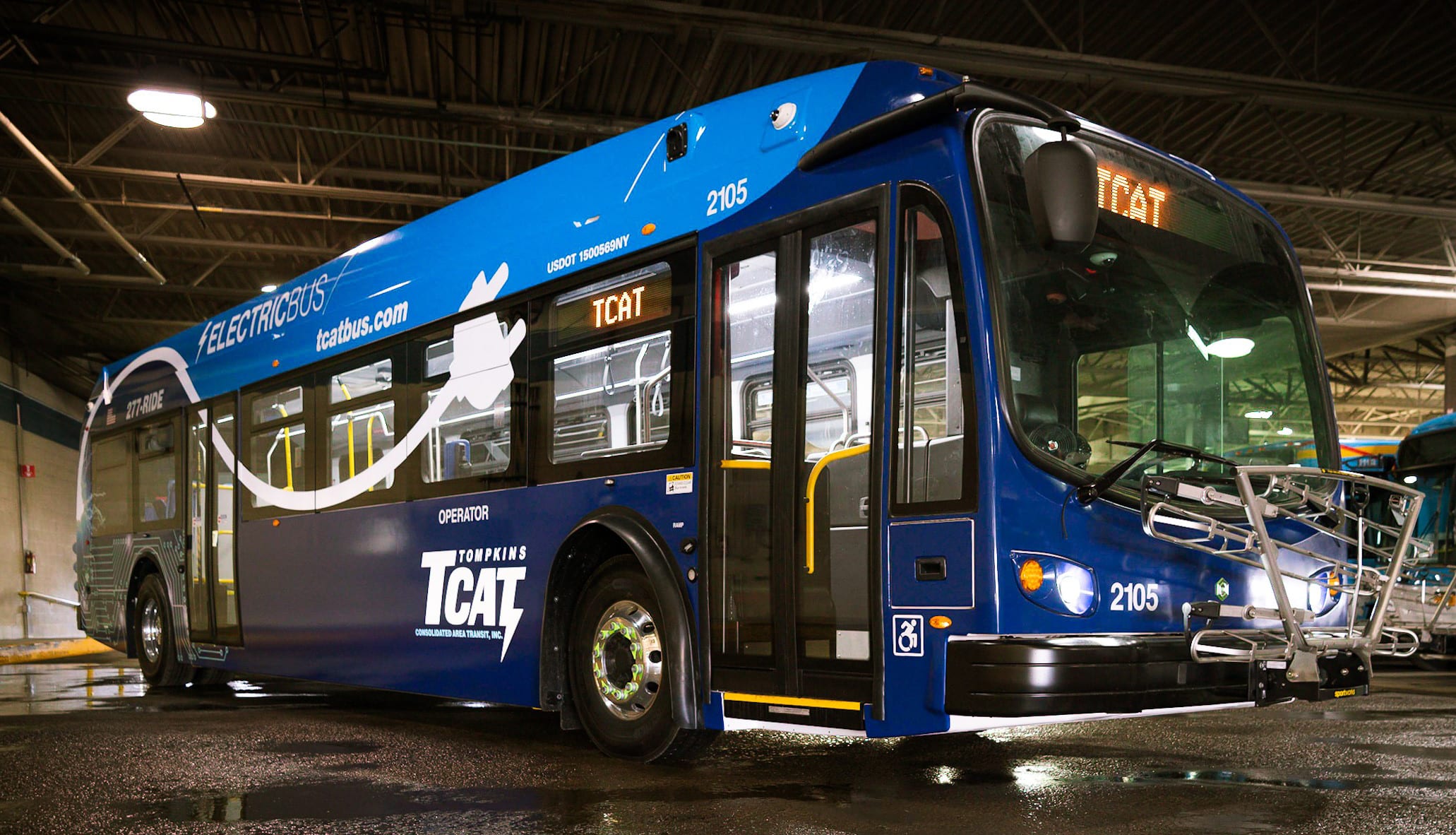
Late last month, TCAT entered phase two of its Transit Development Plan 2020-2021 (TDP), which extends through the end of this month. The TDP aims to help improve TCAT’s service to the community, and it has already received considerable feedback.
The TDP process began last fall with its first round of public engagement asking residents what they want and need from their local transit system, according to the TDP’s website (tcatbus.com/tdp-2020/2021). Phase two includes a second round of public engagement, with an online survey and meetings with TCAT transit ambassadors (visit the website for more details). A final plan will be presented to the TCAT Board of Directors later this summer.
TCAT releases a new TDP roughly every 10 years, and TCAT outlined its main goals for this year’s TDP: 1) Envision and plan a clear, efficient and attractive fixed-route transit system with multimodal connectivity; 2) Provide solutions for first/last-mile services, especially in the rural areas of Tompkins County; 3) Plan for frequent-service corridors that are attractive for riders and support amenity and service improvements; 4) Increase overall ridership, reliability and utilization of TCAT services; and 5) Ensure that the bus network continues to serve people equitably.
Matt Yarrow, assistant general manager at TCAT, said these goals are an extension of TCAT’s most recent strategic plan published in 2018. This year’s TDP also seeks to account for all the ways travel has changed over the past decade.
“There are different and new modes that maybe didn’t exist as much previously,” he said. “So, we have things like Uber and Lyft. We have things like bike share, car share, the potential for on-demand transit of different flavors. And so, part of this is understanding that we’re part of a larger solution of shared mobility modes.”
The TDP is meant to guide TCAT through the next decade, but doing so is more challenging this time around than in past TDP cycles due to the pandemic, Yarrow said.
“The last year has been very interesting, challenging, particularly for public transportation,” he said. “So, we’re at a place that I would call rebuilding, where we’re looking to try to make sure that as we move forward, we’re not just going back to the way things were in 2019 but trying to account for people returning to work. [We’re] understanding that people may have different travel patterns and travel desires now, … as some of the restrictions are softening and people are going about their activities.”
Ridership for TCAT significantly dropped last year and is still only at about a third of pre-pandemic numbers, Yarrow said, so “probably the largest wildcard for us now is understanding how and when ridership will come back.” But he said TCAT’s experience during the pandemic is still valuable for its 10-year plan.
“Ultimately, there are some lessons learned from this, lessons about how to scale the system up and down, lessons about how to promote public safety in times of a pandemic,” he said. “And so, those are things that we’ll have at our fingertips as we move forward and be better prepared for something like this in the future.”
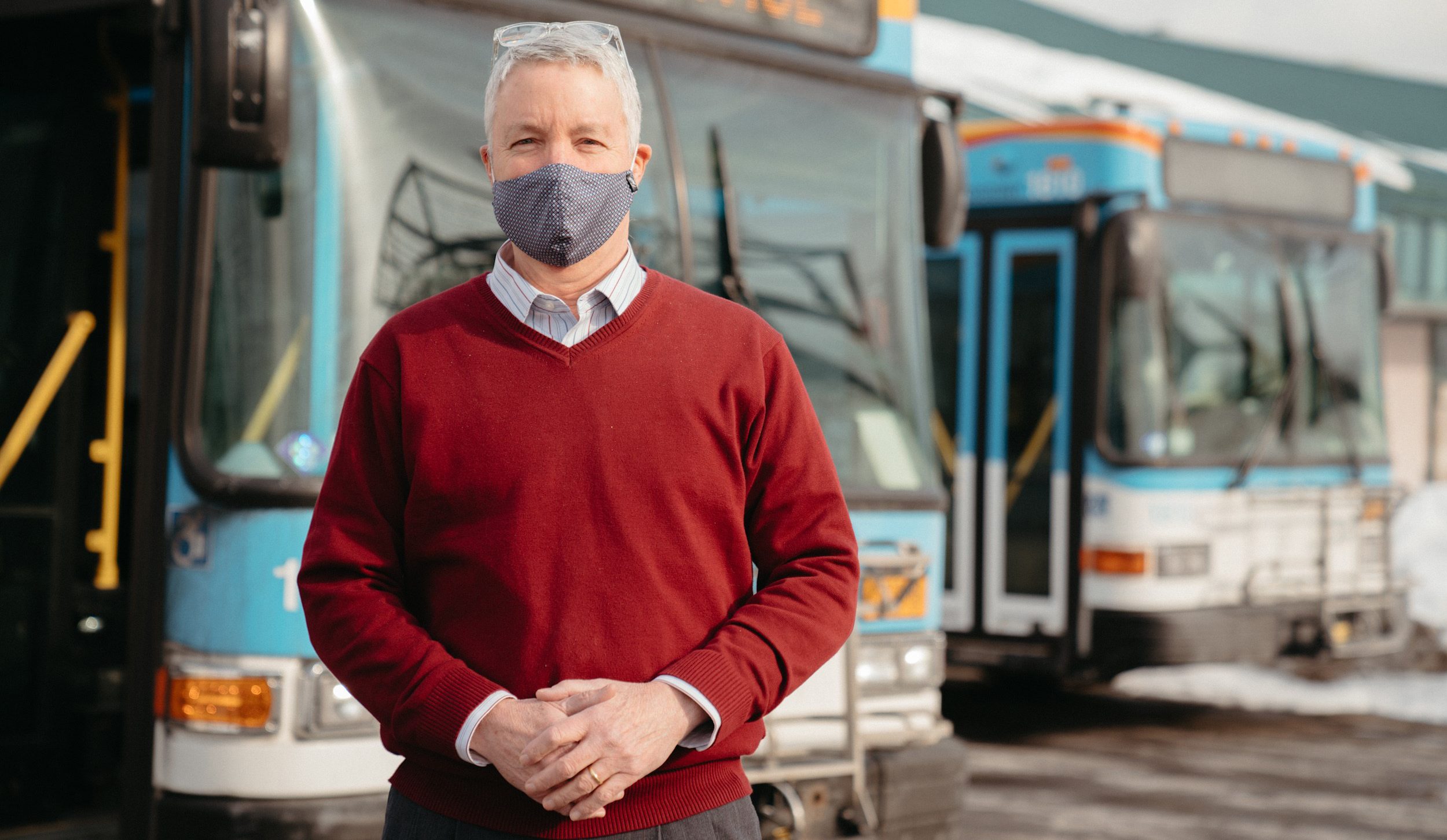
Running a public engagement phase in the middle of a pandemic has been no easy task, whether in phase one or phase two, but TCAT has worked around the difficulty by using multiple methods to reach out to folks. Rather than the open-house series used in past years, TCAT opted for a series of virtual events and for making its website as interactive and engaging as possible, as well as adding an ambassador program to speak with residents one on one.
“It’s hard to get out there and meet everyone, but to have some visibility and presence in the community during this phase of public engagement is important,” Yarrow said.
Lauren Gabuzzi, GO ITHACA program manager, explained that in addition to the public engagement with residents, TCAT has worked with other organizations like GO ITHACA and the Downtown Ithaca Alliance (DIA), as well as area high schools and colleges to hear student feedback. She and others at GO ITHACA and the DIA appreciate the inclusion, she said, as it’s mutually beneficial.
“I think we really align — DIA, GO ITHACA and TCAT — because we want to make downtown a place where you can get around without needing to own a car,” she said. “It’s a quick, easy, convenient thing to hop on the bus and get where you need to go, or take a bike, take a car share, any of those things. So, I think they’re doing a great job. [We’re] happy to be working with them.”
So far, the public engagement periods have yielded considerable feedback on the draft plan, and Yarrow appreciates the wide variety of perspectives being expressed.
The public engagement has shown that the community would benefit from a type of on-demand service, as well as a bus corridor that combines two routes to serve the southwest side of Ithaca where many big box stores are. Gary Ferguson, executive director of the DIA, voiced his support for the bus corridor downtown and how it can increase equity.
“In a lot of these buildings, some of our older data showed that roughly 50% of the people who live there don’t have cars,” he said. “And so, they’re dependent on other modes of transportation to get around, even for their basic services. So, … connecting to the grocery stores and things like that is really, really key.”
TCAT is also looking to simplify its branding and its routes to help improve efficiency and make routes easier to understand for riders.
While much of this year’s TDP centers around improving equity of access, a second big focus is on environmental sustainability. TCAT launched its first-ever electric buses on Earth Day of this year and plans to add more all-electric buses to its arsenal within the next few years.
The TDP’s goal of increasing multimodality involves both equity and sustainability, as Yarrow explained.
“If you want to put your bike on the bus, we have bike racks, you can do that,” he said. “In the past, we’ve worked with Ithaca Carshare, and they often put their cars near a bus stop so you can get to their cars using TCAT. Those are just a couple of the variety of examples of how TCAT tries to play a role with other modes to really provide an offering to the public that’s more than a sum of its parts.”
The TDP is in its final stages, but the real work begins after the TDP is approved. Yarrow said he anticipates the process of implementing the numerous changes to be long and challenging but a process that TCAT is nonetheless committed to.
“Some of it is that we have to make sure that we have the buses, the drivers, the funding to operate some of these changes,” Yarrow said. “Some of them may require new technology such as the on-demand routes, so we may have to procure new technology. … And then anything that we do in the streetscape often involves coordination with local municipalities to get permission to build shelters or adjust signage.”
Yarrow encouraged readers to continue providing feedback to the draft TDP throughout the rest of this month. Visit the previously listed website to view the draft TDP and for details on how to get involved.
Related Articles
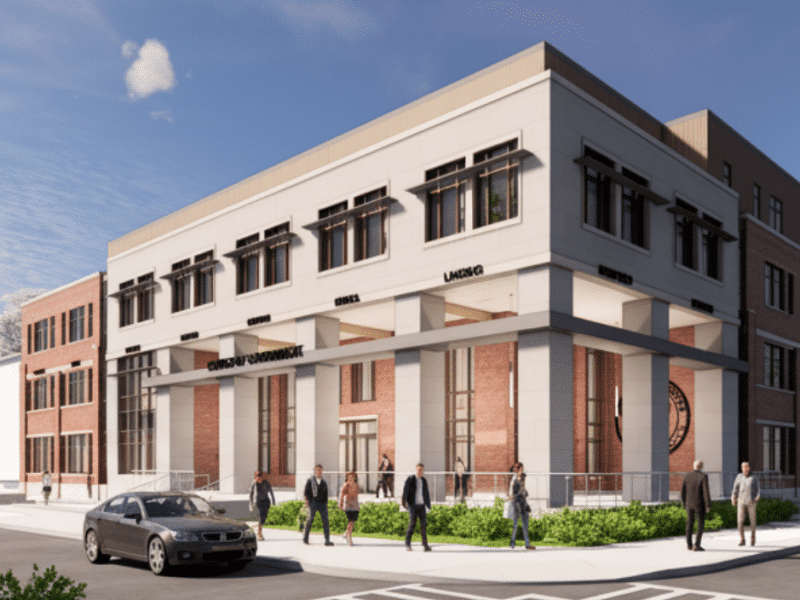
Design details unveiled for new Center of Government
Design details for the Tompkins County government building in downtown Ithaca are now public, with a county survey open for feedback.

Holiday traditions bring community cheer
Tompkins County holiday traditions light up homes, farms, and schools with festive cheer and community spirit.
Cayuga Medical Center improves patient safety score
Cayuga Medical Center Leapfrog Grade rises to “B,” showing improved patient safety and nursing care quality.