
Telehealth offers silver lining for CARS
Across the country, Americans have turned to alcohol for comfort during the pandemic. While this may be a temporary coping mechanism for some, many people have found that their temporary coping mechanism has turned to addiction. During this time, addiction recovery services are finding it harder than usual to help their patients maintain sobriety.

One such service, Cayuga Addiction Recovery Services (CARS), shared the challenges it faces trying to help people who are struggling right now.
CARS Communications Manager Brad Walworth said that while they have worked to keep their facility clean and safe, 2020 has been a challenging year for both their Ithaca and Trumansburg locations.
“New York state’s government has withheld 20% of funding to addiction treatment service providers statewide, which has been difficult for addiction treatment service providers at a time of increased need for their services by New Yorkers,” Walworth said. “Both relapse and overdose are increased risks for those with substance use disorder (SUD).”
And research backs this up. According to a May 2020 article in “Disaster Medicine and Public Health Preparedness,” published online by Cambridge University Press (https://t.ly/nhGe), behavioral health suffers during times of financial stress, disasters and pandemics, which can exacerbate alcohol or drug use, especially for those vulnerable to relapse.
The combination of loneliness, grief, boredom and anxiety plus restriction of some addiction services has created a potentially lethal situation for people fighting against drug and alcohol addiction. Those who relied on recovery resources and support such as public, in-person AA meetings have been especially vulnerable, which is why CARS has made helping recovering individuals its priority during the pandemic.
CARS is regulated by the NYS Office of Addiction Services and Supports and funded in a combination of ways: fee-for-service payment by insurance, private payment, government funding and individual donations.
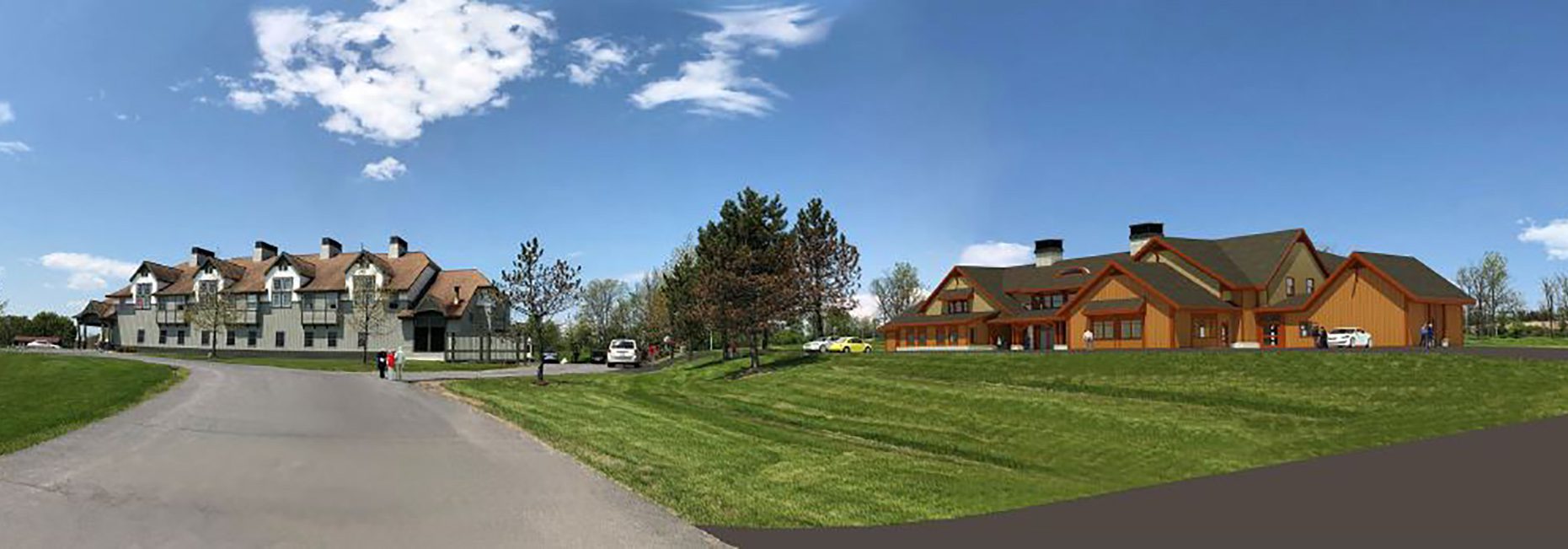
The Trumansburg facility provides men’s long-term residential rehabilitation services where clients live on premise 24/7. They receive individual and small-group addiction counseling and medication-assisted treatment through the on-site nursing department, as well as mental health, vocation and recreation counseling. The 34-acre property has a building with 60 beds and employs about 30 staff.
CARS’ Trumansburg center faced another challenge earlier this month when an employee tested positive for COVID-19. Under New York state guidelines, the facility had to stop taking new admissions until after the positive test was reported.
“A COVID-positive result affects the ability to take new admissions into a residential care setting for a period of time, which results in less people receiving access to residential treatment services critical to their recoveries from SUD,” Walworth said.
The facility has had zero cases of COVID-19 among clients. Walworth said that staff members have quarantined clients when contact tracing indicated a potential exposure and enforced social distancing, mask-wearing, extra cleaning and sanitizing.
“The men’s residence is our clients’ home during their time in recovery at our program,” Walworth said. “And management has done an incredible job making this home a positive, safe environment for focusing on recovery from SUD during the pandemic.”
On a more positive note, Walworth said that an unexpectedly good result of the pandemic has been the addition of telehealth services to their Ithaca Outpatient program, which allows those who are uncomfortable resuming services in person to continue receiving treatment services through Zoom or over the phone. This new service also meets a long-standing need for those with challenges around transportation and childcare.
“Telehealth makes treatment services more accessible,” Walworth said. “The increased stress of the times, especially financial due to the effects COVID has had on the economy and through job loss, has resulted in an increase in SUD, relapses and overdoses, which has made access to treatment services increasingly essential in order to keep people healthy and safe.”
Walworth said that though this year has been tough, they are looking to the future. There are plans for a new women’s facility, providing the same services as the men’s, to be built and opened next door on the property in late 2021 or early 2022.
Related Articles

Why accessibility is not an option, but a responsibility
TCAT accessibility in Ithaca leaves disabled residents struggling. Community advocacy is essential to improve public transit for all.
World peace – one person at a time
Ithaca peace activism supports nonviolent solutions, nuclear disarmament, and global awareness through weekly corner gatherings.

Signs of Sustainability: Growing trust and resilience in Danby
Danby community resilience grows as neighbors build relationships, share resources, and create supportive local networks.