
The fight for our right to read
Public libraries are under attack by those seeking to limit or block access to certain books and materials
Book challenges and book bans are nothing new in our country. As a librarian for more than 40 years, I’ve seen and experienced challenges and calls for removal of books in all types of libraries. However, in recent years it has become a weekly if not daily headline, especially in public libraries.
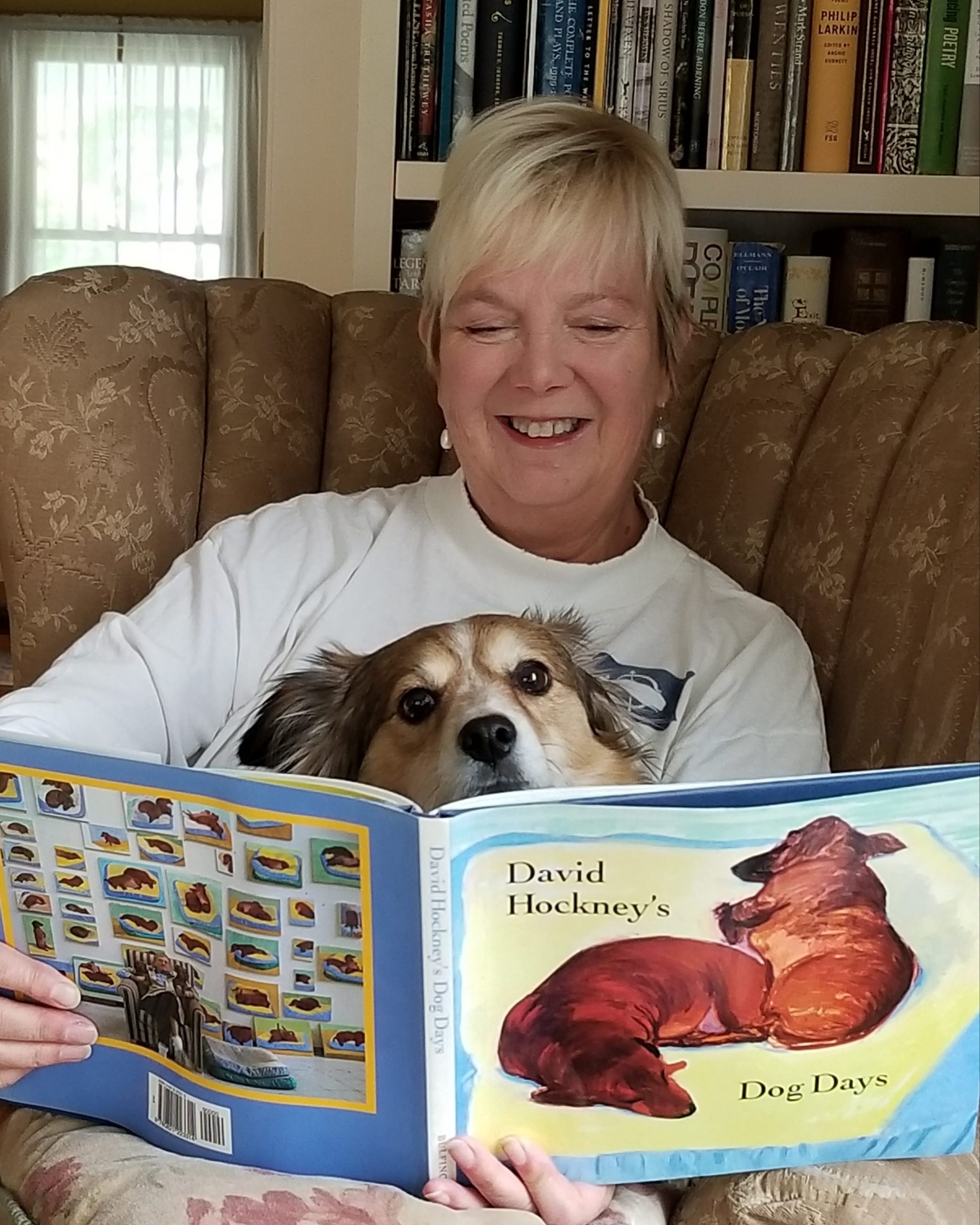
According to Education Week, book bans were reported in 32 states in 2022. The majority were in Florida, Texas, South Carolina, Missouri, and Utah, but even New York experienced some activity. That same year, local and out of state extremist groups objected to the Tompkins County Public Library’s plans for Pride Week, and a social media post from the New York State Librarian celebrating Freedom to Read Banned Books Week was deleted. The post had referenced Gender Queer, an award-winning memoir and the most often challenged book in the country. There was no explanation for the deletion other than the topic was “inappropriate.”
According to The American Library Association’s (ALA) Office of Intellectual Freedom, which compiles data on book challenges, there were an unprecedented 1,269 demands to censor library books and resources in 2022. This is the highest number of attempted book bans since ALA began compiling data more than 20 years ago!
Of the record 2,571 titles targeted in 2022, most of were written by or about members of the LBGTQI+ community, Black and Indigenous people, and people of color. PEN America, an organization of writers, artists, and journalists, reports that the 2022-23 school year saw a dramatic escalation in efforts to restrict access to books and teaching materials in the classroom.
The reasons for challenging and banning books are usually based on the desire to protect others—frequently children—from difficult ideas and information. Challenged materials are often those that conflict with longstanding narratives about American history and social norms, and materials containing sexual content and use of language deemed offensive. Parents sometimes ask librarians and staff to monitor their children’s reading and internet usage. Most public libraries follow the ALA Library Bill of Rights, which states that “parents—and only parents—have the right and responsibility to restrict the access of their children—and only their children—to library resources.” For some activists, this answer is unacceptable.
Thus it has become commonplace to see reports from across the country describing heated library board meetings; closings of libraries; librarians and library staff fired, doxed, and harassed and the removal of materials deemed dangerous. Long-time, dedicated librarians and staff are leaving, decimating library programs and services for communities.
A public library requires nothing from visitors. There are no membership fees, no dress code, and no time limits. You don’t need money to access numerous on-site resources that include books, e-books and magazines, job-hunting assistance, computer stations and free Wi-Fi. Public libraries are an efficient cooperative purchasing system, ensuring equal access to information in all formats. They are a haven for the community, offering shelter in extreme weather, a social opportunity for those who have none and an educational resource for those who don’t own smartphones or computers. For the latter group, library computers also provide access to many resources that are now available only online, including job applications and tax forms. Many libraries facilitate telehealth appointments and provide access to educational materials used by the home school community.
Libraries provide all this while protecting patron confidentiality. Libraries never share or sell your personal data. It was librarians who ensured privacy of patron records during the years when Section 215 of the Patriot Act was used to try to access patron library records and personal reading choices. Through their advocacy, this section was effectively shut down in 2005.
Those seeking to limit access to materials they deem unacceptable are unlikely to give up. We all need to show up and support our libraries as critical organizations that do so much to support so many.
Susan Annah Currie worked for nearly 30 years in leadership positions at the Cornell University and SUNY Binghamton libraries. She became director of the historic Tompkins County Public Library in 2009 and retired as Finger Lakes Library Director in 2017. Susan is the author of The Preventorium, a memoir. In 2023, she was elected to the Tompkins County Legislature.
The Democratic View appears the first week of each month in Tompkins Weekly.
Links to Sources and Resources:
American Library Association
https://www.ala.org/advocacy/intfreedom
https://www.ala.org/advocacy/bbooks/by-the-numbers
https://journals.ala.org/index.php/jifp
https://rb.gy/oqptc (U.S. Patriot Act and library records)
Education Week https://www.edweek.org/teaching-learning/book-bans-over-the-years-in-charts/2023/04
Pen America https://pen.org/report/banned-in-the-usa-state-laws-supercharge-book-suppression-in-schools/
New York Times:
“Attempts to Ban Books Doubled in 2022” https://www.nytimes.com/2023/03/23/books/book-ban-2022.html
Book Bans Rising Rapidly in the U.S., Free Speech Groups Find”, https://rb.gy/2h724
“Four Librarians finally break silence in records case” https://www.nytimes.com/2006/05/31/nyregion/31library.html
The Ithaca Voice, “Despite some backlash, community organizations carry on with LGBTQ events” https://ithacavoice.org/2022/07/despite-backlash-community-organizations-carry-on-with-lgbtq-events/
BookRiot, “A Failure of Leadership” https://bookriot.com/book-censorship-news-march-11-2022/
NPR “The plot thickens: The battle overbooks comes at a cost” https://rb.gy/mw 44w
National Geographic “The History of Book Bans” https://rb.gy/kj0jf
Related Articles
Democratic View: Rural Healthcare Is At A Breaking Point. Here’s How We Fix It.
Josh Riley outlines the rural healthcare crisis and proposes bipartisan solutions to protect hospitals, workers, and seniors in Upstate New York.
Democratic View: When hope is not enough: An urgent call to action in support of our immigrant neighbors
Stacey Dimas urges immediate action to support immigrants in Ithaca, highlighting local resources and volunteer opportunities.
Democratic View: It’s time to end hostility and embrace humanity
Shawna Black urges communities to end political hostility by promoting civility, dialogue, and safety for public servants.