
Thinking Ahead: Resources to stay in your own home
By Jamie Swinnerton
Tompkins Weekly
One of the most common questions that staff at the Tompkins County Office for the Aging receive is about care for the elderly and aging population. What kind of care is right? What kind of resources are available to get the necessary care? Where do you even start?
The kind of care someone will need depends on multiple factors: health, support from family and friends, financial status, and what they want to do. In this edition of Thinking Ahead we will explore some of the resources available to people who want to stay in their own home but need a little bit of help with some daily needs.
For many people in this situation, one of the first points of entry to the many resources and services provided in Tompkins County is Foodnet Meals on Wheels. The organization offers several different services for the aging-in-place population: meal delivery, congregate meals, and comprehensive nutrition services. But each service is about more than just providing food.
“Each meal delivery is provided with a safety check and a friendly visit and compassion,” said Foodnet Executive Director Jessica Gosa. “So, for many of those that we serve, it’s really that human connection part that we’re providing that is equally as important as the meal. Our drivers become really connected to the client and learn their patterns.”
Sometimes, these interactions have helped prevent potential falls, or gotten clients necessary medical care when it was needed. But, Foodnet services are not just for the homebound. The congregate meals are designed for clients looking for a little more community and activity.
“What’s really neat about the social dining – it’s really providing a social dining atmosphere – it is really giving some of the clients there an opportunity to volunteer at the site,” Gosa said. “People are developing friendships and getting out of the house, so it really is helping with one of the risk factors that comes with food insecurity and malnutrition on older adults, which is social isolation.”
Foodnet works closely with other services in the area to help clients find all the help they need to stay in their home, even if Foodnet as an organization can’t provide it.
“Often, we’re a point of entry service, meaning that others haven’t really signed up for anything else and really aren’t sure what else they qualify for,” Gosa said.
The Foodnet dietician that visits clients can often help them better understand what other services are out there for them. In general, residents 60 years or older and homebound qualify for Foodnet meal delivery services. This rule is a flexible one, Gosa said, depending on the situation. Residents over 60 with a homebound spouse or child under 60 may also be eligible. Contributions for the meals, both delivery and congregate, are encouraged but not required. Food stamps are also accepted.
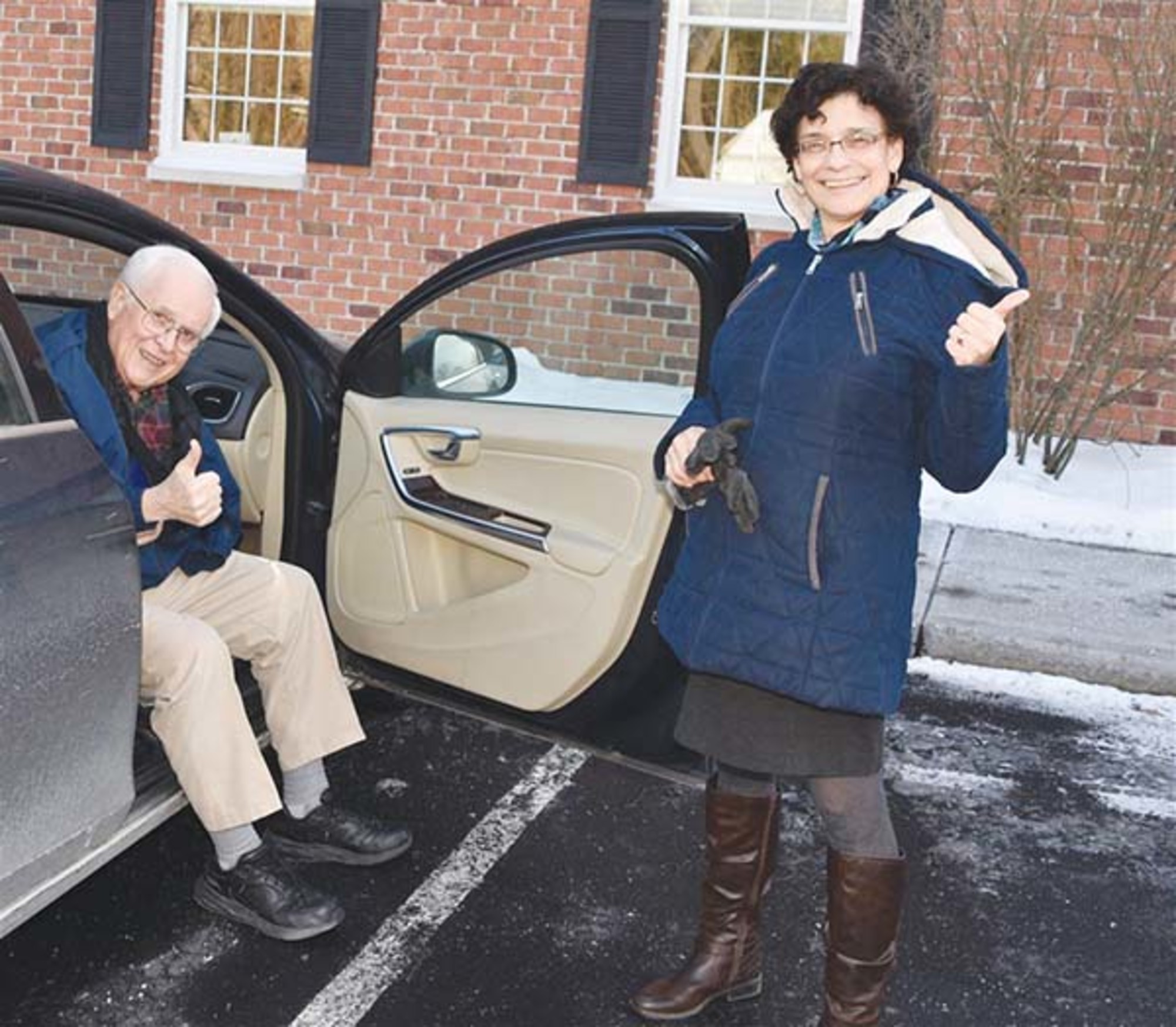
Fairly recently, a new community-based model for seniors who want to stay in their homes has been expanding nationally. A little over a year ago this model found a home in Ithaca as the organization Love Living At Home (LLH). Elena Flash, Executive Director of LLH, stresses that the community is not just about having someone to come fix a leaky sink, it’s about building a reliable support system.
“Love Living At Home aims to support older folks who want to live at home as long as possible,” Flash said. “It does that by building a community in the bigger community, so it’s like a virtual retirement community but folks stay in their home.”
One of the things that people should plan for as they get older and want to stay in their home is that their social circle is going to shrink as they stop working and the kids move away. But, it is imperative to keep a robust social engagement, Flash said.
“That’s this model,” Flash said. “The model is to connect people who are living at home through a combination of social activities, civic engagement -meaning staying really involved with this little community by doing some volunteer services or participating in the organization- and then receiving services when the time comes that you need some help.”
LLH is not just delivering services, it’s a community mutually supporting each other. Many of the volunteers that deliver services, like home repair and transportation, are also members of LLH. Like Foodnet, LLH works with members to connect them to other resources that can help them stay in their home, creating a full network of care. While other resources may provide for things like health care and financial needs, LLH volunteers can help fill in the gaps. Does the cat need to go to the vet? A volunteer can do that. Need a ride to the grocery store? A volunteer can do that.
Since opening in October of 2016 LLH has done over 450 services, had over 150 programs, have 138 members, 60 volunteers, and have met its budget for the first year. County residents 62 years old or older are eligible for LLH membership. The membership fee is $450 a year, $575 for a household or a couple. But, the fee can be waived for anyone who cannot afford it, Flash said.
“We are very committed to inclusion and supporting folks regardless of their ability to pay,” Flash said.
The Tompkins County Office for the Aging is a vital resource for community members who don’t know what is available, or what they are eligible for when it comes to making decisions about their future. Online resources at the Office’s website detail many of the other county resources. Grocery delivery through Rosie App or more localized options, moving assistance from local companies that help make decisions about downsizing, how to get a wheelchair accessible ride, Visiting Nurse Services of Ithaca and Tompkins County for health care needs at home, Home Instead Senior Care which offers personalized care for seniors living in their own home, Lifelong offers classes to understand taxes and health care options, as well as a variety of interesting subjects, and so much more. The resources, too numerous to name in one story, are out there.
Related Articles
5 things to do in Tompkins County this weekend
Plan your visit and discover what’s happening this weekend.

Tompkins Chamber announces Rob Montana as new vice president
Rob Montana, community leader and communications professional, has been appointed vice president of the Tompkins Chamber, where he will help drive economic growth, workforce development, and community engagement.