
Tompkins Cortland joins NSF’s Project Vision
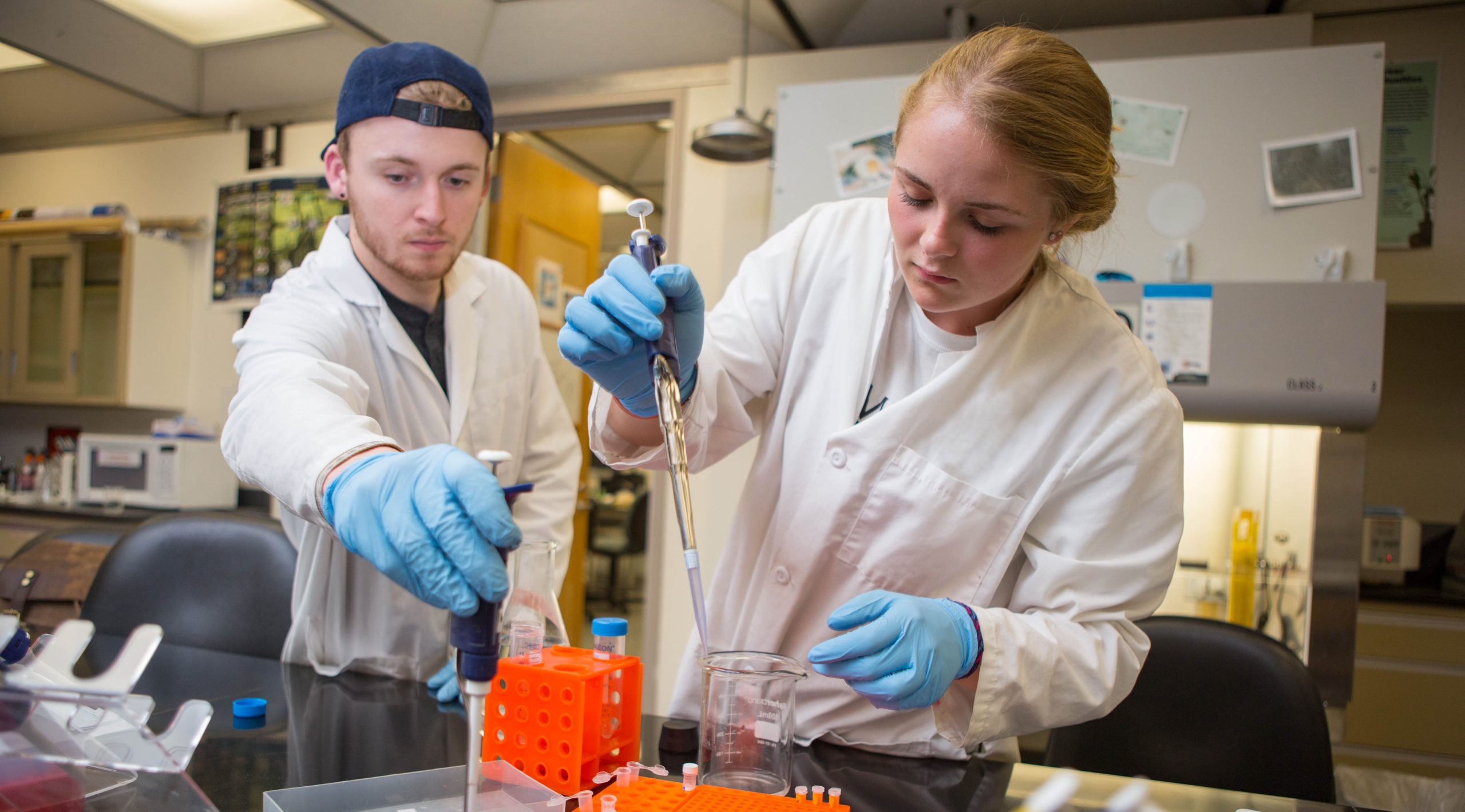
Late last month, Tompkins Cortland Community College announced that it has been selected to join Project Vision, an initiative supported by the National Science Foundation (NSF) designed to “catalyze submissions of proposals from two-year colleges not previously associated with NSF Division of Undergraduate Education (DUE) programs,” according to a recent press release.
Tompkins Cortland joins 12 other two-year colleges in the second cohort of the five-year program, including fellow SUNY institution Corning Community College. Project Vision teams help two-year colleges generate an innovative idea that aligns with DUE funding and supports capacity building, allowing colleges to regularly submit proposals to NSF. Project Vision staff can help administrators write grants that will have greater chances of receiving funding through NSF, which is a highly competitive market.
According to the press release, Project Vision looks for diverse, small, rural colleges or colleges with newer presidents, and Tompkins Cortland met all those criteria, prompting President Orinthia Montague to reach out to Project Vision to get Tompkins Cortland involved.
“This exciting opportunity provides much-needed support to diverse but rural community colleges like ours, who too often are overlooked in grant funding,” said Paul Reifenheiser, Tompkins Cortland provost and vice president of academic affairs, in the release. “I want to thank President Montague for connecting us with Project Vision. We look forward to them assisting our excellent faculty and staff produce award-worthy grant proposals.”
Malvika Talwar, Tompkins Cortland associate provost, explained that this is an opportunity the college has been searching for for a while.
“Under her leadership, the college has really sought more grants, especially because we — on the academic side, Provost Reifenheiser and I, since we’ve been here — have really wanted to do more infrastructure improvements for especially our STEM spaces,” Talwar said. “So, this has been kind of a constant effort to try and seek out opportunities like this.”
Talwar said that the Project Vision benefit Tompkins Cortland wants to focus most on is NSF’s Advanced Technological Education grant, which “focuses on the education of technicians for the high-technology fields that drive our nation’s economy,” according to the release.
“That, I think, is really important for the community too because, as we know, more and more manufacturing jobs are really in advanced technologies,” she said. “And so, we have to be engaged in those conversations and are with our workforce partners. And then, this would really help us to pursue grants that help us to keep growing in those areas.”
Another big draw to the program is the other 12 colleges Tompkins Cortland gets to work with, as Talwar explained.
“Especially being a rural community college and a smaller community college, we don’t have the grant infrastructure that larger institutions have in place,” she said. “We just don’t have the human resources for it sometimes. And so, having those mentorship pieces available to us to ask questions, both about things like ideation for grants, but then also things that are needed to really be successful in the NSF grant space, that’s really valuable. And it’s a very supportive cohort.”
Talwar said that Project Vision’s goals largely align with some of Tompkins Cortland’s overall goals for the coming years in regard to its curriculum, particularly as it pertains to expanding the college’s applied science and technology associate degree.
“We’ve been talking to workforce partners in the area, which is, of course, important for us to do as a community college, and there’s really a large need for, for example, electrical tech areas for a lot of companies,” she said. “And so, for example, that would be a space where we would want to create long-term opportunities for ourselves to be able to continue thinking about how we’re improving, how are we improving our infrastructure, improving faculty, hiring, etc.”
But the benefit goes beyond Tompkins Cortland, Talwar said. Tompkins Cortland being a part of Project Vision allows the college to expand its STEM programming and opportunities, which could later help to create “robust workforce pipelines” in Tompkins and Cortland counties.
“To me, that’s really the value of this because if you look at the STEM opportunities that exist, even in Tompkins County, there are gaps in places where people don’t have access to as many STEM careers as technicians, perhaps,” Talwar said. “And this is just a small step in making those pipelines more and more robust so that we can really support our regional economies’ growth in STEM and advanced manufacturing.”
Tompkins Cortland’s acceptance into Project Vision is still relatively new, so many of the next steps focus on bringing faculty up to speed on how the project works and what benefits they can take advantage of.
Talwar said that Tompkins Cortland will center its Project Vision efforts around human resources, helping support faculty to pursue “the many wonderful ideas they have.”
“As a community college, we are not as well funded as some of our four-year partners are,” she said. “Human resources are always a challenge for us. And so, I just hope that we are able to create the spaces for everyone to have more support so that we can actually go after these things because in the end, for us to really thrive, we need to have enough people and to be able to execute on good ideas and help the workforce pipeline in our community.”
For more information about Project Vision, visit projectvis.org. To learn more about Tompkins Cortland, visit its website at tompkinscortland.edu.
Related Articles
Dryden Fiber looks back on another year of service
Dryden Fiber reflects on a year of growth as the municipal internet provider expands service across Dryden and Caroline.
Holiday traditions bring community cheer
Tompkins County holiday traditions light up homes, farms, and schools with festive cheer and community spirit.
The gift of an experience: Local businesses offer hands-on holiday fun
Holiday experience gifts in Tompkins County include candle making, gourd crafts, and pottery workshops for creative seasonal fun.