
Tompkins County to adopt first strategic operations plan
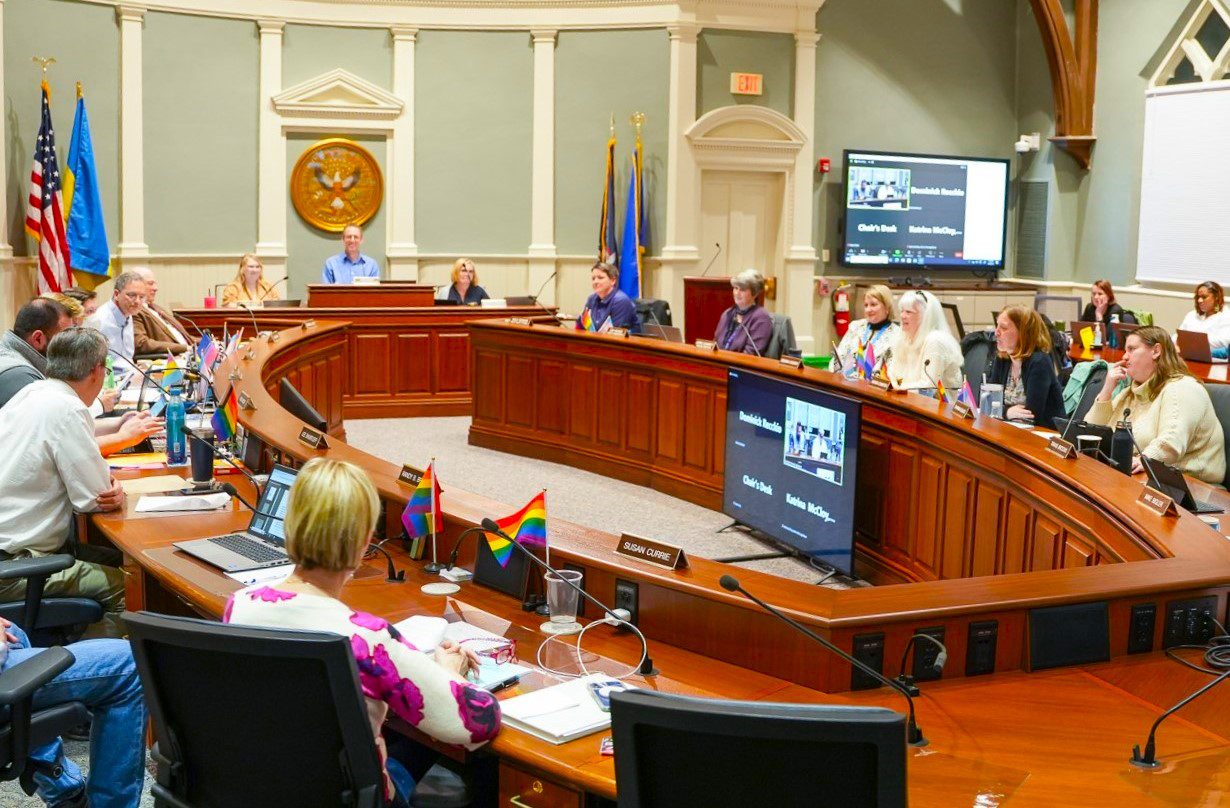
County legislators will hold a vote on the adoption of the first Tompkins County Strategic Operations Plan — the culmination of a year’s-worth of work — at the next Tompkins County Legislature meeting, scheduled for June 18.
Strategic priorities identified in the plan are health and safety, climate change mitigation and resiliency, economic opportunity and quality of life, equitable service delivery and organizational excellence.

“The plan addresses access to county services, the importance of affordable and attainable housing, the need to fund and enhance critical life safety initiatives across the county, and the critical importance of local mental and behavioral health services among many other strategic objectives,” Dan Klein, Tompkins County Legislature chair, said in his message at the beginning of the plan.
“As is the case with local governments across the U.S., Tompkins County is faced with increasingly complex organizational and community needs — this Plan looks at those needs through the lens of opportunity, showcasing what is possible and how best to achieve meaningful results,” the plan states.
The plan was primarily ready a month ago, but final approval was delayed due to concerns raised by Legislator Deborah Dawson (D-Villages of Lansing and Cayuga Heights).
At a recent meeting of the legislature, Dawson said she believes it is important to add language that states the legislature will adhere to the plan and implement its strategies to the best of the legislature’s ability as long as it is fiscally possible to do so.
Dawson was unable to attend last week’s committee meeting because she was traveling abroad, but the committee voted to approve the plan after a small change in the language that addresses the issue she raised.
“Her concern was that we don’t want someone to read this plan and say, ‘Why aren’t you doing all these tomorrow, or today?’ The idea is that we will be working on these things over time, and as we can financially do them,” said Legislator Amanda Champion (D-Town of Ithaca), chair of the Government Operations Committee of the Tompkins County Legislature.
“We have a lot of goals in a lot of areas,” Champion added, “but if we don’t have the financial means, we can’t do them right away.”
For years, the county has had the core values of Respect, Accountability, Integrity and Equity. Stewardship was added as a new core value.
“We value our human, financial, and environmental resources, and provide services in a manner that responsibly manage and preserve those resources into the future,” the plan states.
The plan came together after more than a year of regular meetings of a steering committee that oversaw the process.
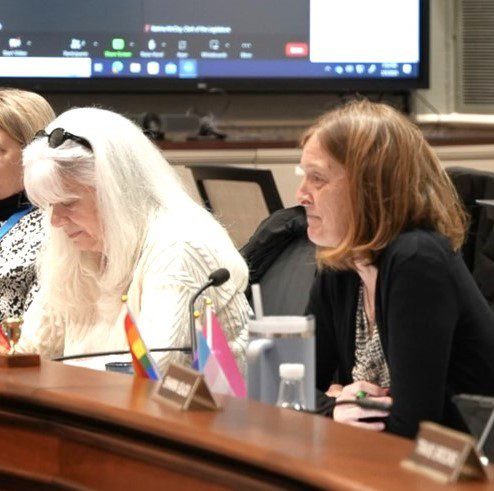
“We had biweekly meetings for the last year,” said Champion, a member of that committee.
There were multiple public workshops and surveys of both the public and county employees.
The county hired BerryDunn Consultants for $85,000, which was 100% funded by a grant award through the Appalachian Regional Commission.
Funds were granted to support the ARC Investment Goal of “Building Community Leaders and Capacity,” and the New York State Implementation Strategy Goal to “Support visioning, strategic planning and implementation, and resident engagement approaches to foster increased community resilience and generate positive economic impacts,” according to a thank you statement included in the plan.
The county began working with BerryDunn in March 2023.
According to information stated in the plan itself, there were 375 employee data gathering responses and 643 unique participants in the development and review of the plan on social media.
The legislature held a day-long retreat to work on the plan together, Champion said.
“We have a lot of different priorities and a lot of different things that different people want to work on,” Champion said. “We all have our pet projects and that kind of thing, but for the legislature, having a document that says, ‘Here’s the main goals we want to move towards’ — that gives us guidance.”
The plan also allows administration to tie those priorities to the budget process, Champion said, adding that one of the legislature’s biggest priorities in drafting the plan was that it would give guidance and boundaries when different department heads request funding.
“It’s a common document that we can come back to and look at,” Champion explained.
Tompkins County will use this plan to effectively prioritize its efforts over the next five years, the plan states, resulting in the county taking a “confident, data-driven leadership role in the community.”
“[The plan] states our goals and ideals, but it is also a directive to the staff and all the departments,” Champion said, adding that one important aspect of the plan is the creation of economic opportunity and quality of life.
The goal in this area, according to the plan, is to increase residents’ quality of life and support a thriving, inclusive and sustainable local economy. “Tompkins County will use its resources and partnerships to advance access to living wage jobs; appealing, affordable, and attainable housing; and safe and affordable transportation options for people traveling to jobs and services,” the plan states.
The plan includes nine performance measures to assess the county’s progress when it comes to the creation of economic opportunity and quality of life. Among them are analysis of outside agency funding for non mandated services by 2026, the percentage of individuals discharged from emergency shelter to permanent housing, and the number of new affordable housing units built or rehabilitated with assistance from the Community Housing Development Fund.
These stated performance measures are indicative of the county’s goal of giving clear, specific examples of future goals that have been identified as priorities for the county right now, Champion said, in the hope of using the plan as a guide that departments can refer to when making decisions.
There are several people who headed up the efforts to develop the plan, Champion said. “This was Lisa Holmes’, our county administrator’s, dream several years ago,” she said.
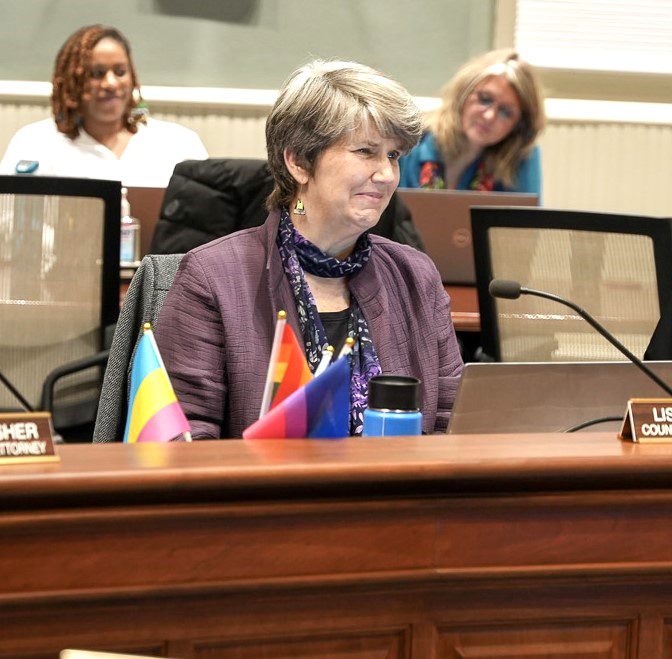
“Deputy County Administrator Bridgette Nugent kept it moving forward,” she added.
Other members of the operations plan project team included Charlene Holmes, chief equity diversity officer; Dan Klein, legislature chair; Dominick Recckio, communications director; Katie Borgella, commissioner of planning and sustainability; Megan McDonald, deputy commissioner of planning and sustainability; Norma Jayne, deputy county administrator; Ruby Pulliam, commissioner of human resources; and Shawna Black, legislator.
Even after the plan is authorized by the full legislature, a committee composed of most of the same individuals listed above will get to work on putting the plan to good use.
“We are continuing to go forward and thinking about implementation — how are we going to turn this into actionable items and priorities, and link it to the budget — so they have more work in front of them,” Champion said of the team.
“It happens where an organization will put together a strategic plan, and it sits on a shelf and no one looks at it again,” Champion said. “That is definitely not what we want to do. We want to make sure the legislature is on board with this, and also the staff is on board.”
“It’s not a top-down thing,” she added. “People need to buy into it and do as much as they can to incorporate it into their daily work.”
Author

Related Articles
Holiday traditions bring community cheer
Tompkins County holiday traditions light up homes, farms, and schools with festive cheer and community spirit.

The gift of an experience: Local businesses offer hands-on holiday fun
Holiday experience gifts in Tompkins County include candle making, gourd crafts, and pottery workshops for creative seasonal fun.
Code Blue shelter opens amid praise, concerns and ongoing debate
Ithaca’s Code Blue shelter opens with larger space, showers, and case management to help residents during cold weather.