Town board discusses refugee and asylum seeker resettlement
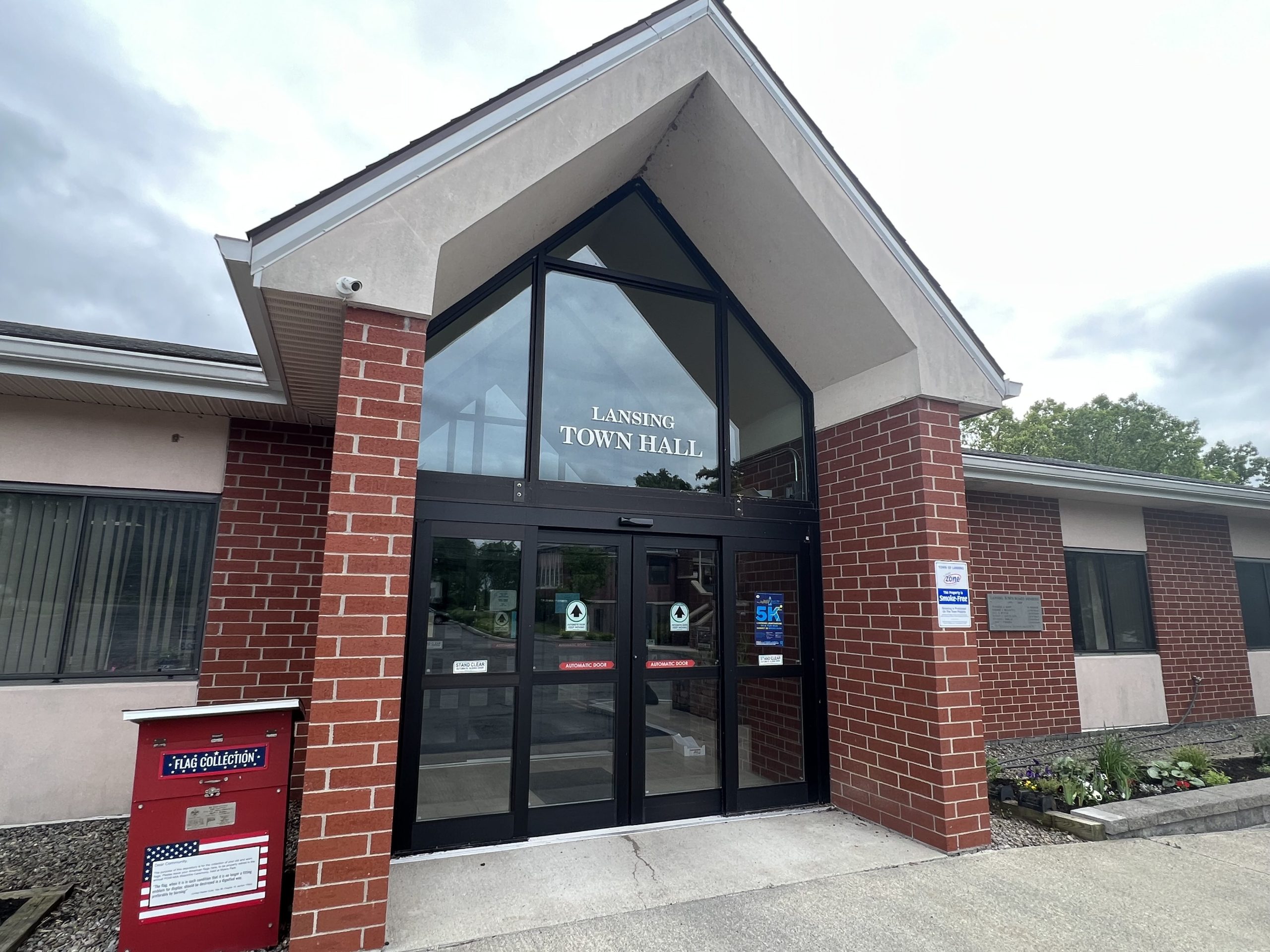
The number of refugees coming into Tompkins County has doubled in the last year, fair immigration advocates said June 21 at a Lansing Town Board meeting. Despite that, the county has not seen asylum seekers bused from New York City as media and municipal leaders feared in late spring, local immigration support groups said.

The Lansing Town Board hosted a presentation from Ithaca Welcomes Refugees (IWR) at the meeting, following up on a recent discussion at a mid-May meeting on what media and local officials across New York said could be a surge in asylum seekers looking for assistance in upstate municipalities. News of the surge started with Texas’s decision earlier this year to bus migrants away from the Lone Star state as a pandemic-era immigration policy prevented many asylum seekers from entering the United States.
Several counties adjacent to Tompkins County declared a state of emergency and denied migrants accommodation. Municipal leaders in those counties have cited an inability to provide services to migrants.
But this expected influx in potential new neighbors was vastly overstated, according to advocates and some members of the board. Casey Verdesora, director of Ithaca Welcomes Refugees who has sat at briefings with Tompkins County leaders, said that county lawmakers do not expect asylum seekers bused from New York City to arrive.
“That was my reading of it, at least,” Verderosa said. “Since the whole situation started, only 300 people have been bused from New York City to other counties in the state, so not quite the overwhelming numbers that we were possibly anticipating.”
The Lansing Town Board called for an informational session with members of IWR, a resettlement agency helping immigrants in Tompkins County. Board members had stated at previous meetings that they wanted to know more about the types of resources available to people seeking asylum in the area.
IWR was created in 2015, at a time when Syrian refugees and asylum seekers started to look for a new home after acts of state-sanctioned violence that started at the beginning of the decade and pushed protestors out of their home country. In 2015, based on data from the U.S. Department of Homeland Security, the United States took in 1,700 Syrian refugees.
“A lot of community members were feeling passionate about helping out,” Verderosa said of the time. “Since then, we have been on a bit of a roller coaster ride, along with the rest of the country. Right now we’re on an uptick again, with the number of people who we’ve been working alongside doubling from last year to this year.”
IWR helps refugees through three different programs. First is the Welcome Home Team, which Verderosa said helps to identify and pay for housing.
“We also conduct really successful furniture donation drives and drives for household items to stock a family’s apartment that they’re moving into for the first time,” she said. “That team also helps with ongoing donation needs. Some families had newborn babies after they arrived, so they would need diapers. Lots of people come from areas of the world that are much warmer, and they need winter clothing. Most of the people we support arrive with little more than the clothes on their backs.”
Next is the Response Projects Team. Verderosa called their work “the meat and potatoes of what IWR does.”
“We assign a volunteer team to each family or individual that is arriving,” she said. “They assess, along with the family, their short- and long-term needs and work with them to achieve them over the course of at least three months.”
Often, Verderosa said, those goals take one or two years, as people settle into a new life in Tompkins County.
“That can be things like finding doctors, finding interpreters and accompanying people to medical appointments to make sure that they are understood and advocated for,” Verderosa added. “We refer people to some of our partnering organizations to get enrolled in public benefits. We also help them see if they’re eligible to find immigration attorneys who can help them pursue a permanent legal status in the country.”
The third team is endeared to Lansing Town Board Councilmember Bronwyn Losey. She is the director of the Global Roots Play School, initially founded to assist immigrants whose first language is not English.
“We were finding that parents of preschool-aged children were not able to attend English as a second language classes because their children weren’t in public school and childcare was too expensive,” Verderosa said.
Verderosa added that over the last two years, there has been an uptick in newcomers arriving in Tompkins County.
“We’ve seen people mostly from Afghanistan and Ukraine and a handful of other countries,” she said.
Councilmember Joseph Wetmore, a Democrat, asked Verderosa and IWR board member Christine Lemonda how the Town of Lansing could help.
Verderosa noted that finding housing is a number one priority for IWR volunteers helping new families. She added that one family who’d lived in Lansing had recently moved to Syracuse.
“We aren’t able to provide full rent support for anyone,” she said. “But housing resources absolutely would be a huge contribution that we’re asking everyone for.”
Town Supervisor Ed LaVigne, a Republican, offered to provide supplies to IWR as part of his advocacy with the Lansing United Methodist Church. LaVigne said he was mostly worried about how the town could help integrate people from vastly different cultural backgrounds.
“We need to try and find ways to minimize barriers so that people don’t fail and have a chance at success,” LaVigne said. “Sometimes people don’t have transportation, or they don’t have someone who speaks their language. They don’t have anyone who is going to show them around. These things would tend to give people a better chance to succeed.”
Lansing at Large appears every week in Tompkins Weekly. Send story ideas to editorial@vizellamedia.com. Contact Eddie Velazquez at edvel37@gmail.com or on Twitter @ezvelazquez.
In brief:
Also on the June 21 meeting’s agenda was a discussion and presentation on how to run a transparent and ethical local government hosted by Matt Montague, chair of the town’s board of ethics. The discussion can be viewed on the town’s YouTube channel at https://www.youtube.com/watch?v=Fu-nwXb-i40&t=1774s.
Author

Related Articles
Village of Lansing wins more than $500K for new sidewalks
Lansing sidewalk funding exceeds $500K as the village earns state support through New York’s Climate Smart Communities program.
TeraWulf AI data center wins zoning appeal in Lansing
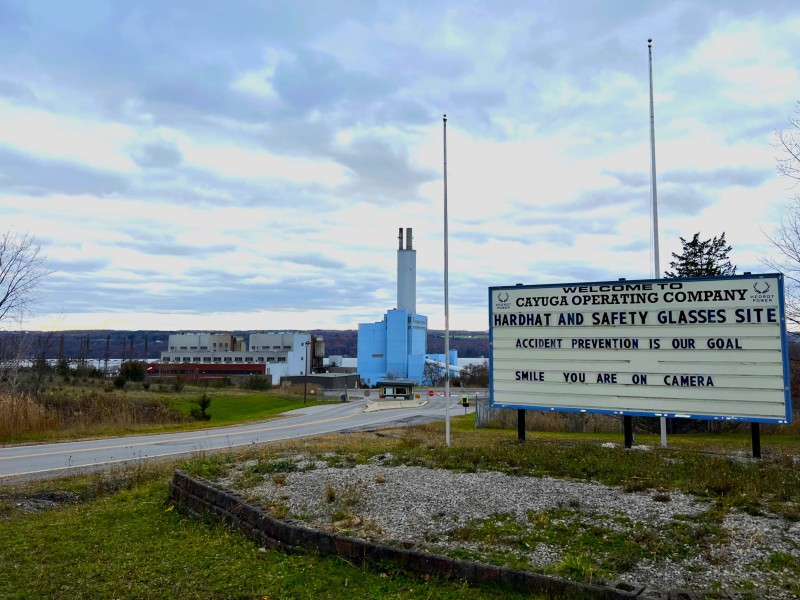
TeraWulf’s proposed AI data center at the former Cayuga Power Plant site in Lansing moves forward after winning a key zoning appeal on Dec. 22.