
Trumansburg Central School District proposes $18.4 million capital project
Trumansburg Central School District proposes $18.4M project to improve infrastructure, safety, and accessibility across its schools.
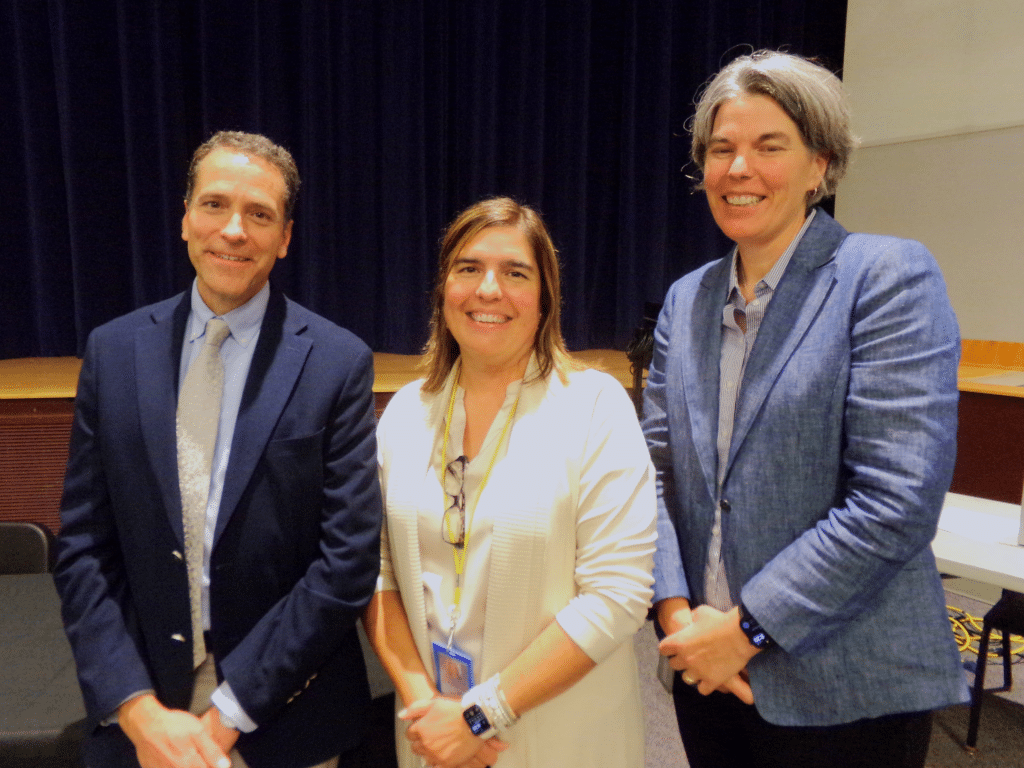
From left to right: Christopher Glaubitz, vice president and senior project architect with Tetra Tech Architects & Engineers, with Trumansburg Central School District School Business Executive Amanda Verba and Superintendent Megan Conaway at Charles O. Dickerson High School during a meeting unveiling the district’s 2025 capital project.
Trumansburg Central School District is proposing an approximately $18.4 million Capital Improvement Project to upgrade the district’s infrastructure and drainage systems, install more air conditioning units and sidewalks for student safety and make its athletic and performing arts spaces more accessible to the community.
The project’s first proposition, which costs about $13.3 million, would be paid for by state building aid reimbursements and the district’s voter-approved capital reserve fund. It would have no impact on local property taxes.
The project’s second proposition, which can pass only if voters approve Proposition 1, would cost about $4.7 million and raise the school tax levy by 0.88%, costing homeowners 10 cents per every $1,000 of assessed property value.
“If you have a $300,000 property, that would work out to a $30 increase a year,” said Amanda Postma, a project coordinator at Tetra Tech Architects & Engineers, the architectural consulting firm that helped the district create its capital project.
The district held a public meeting in the Charles O. Dickerson High School auditorium last week to unveil the project, which comes after the district’s $32.1 million budget for the 2025-2026 academic year was approved by voters in May. The budget included a 3.37% tax levy increase, which fell just under the state-imposed tax levy cap.
The majority of the project falls under Proposition 1, with much of the funding going to improve the district’s drainage and stormwater management system. Just over $1 million would go toward paving and improving drainage along Whig Street, while $840,000 would go toward replacing about 750 feet of School House Lane and further stormwater management improvements along the street.
District leaders said that a storm earlier this year caused substantial flooding in the district, which resulted in the temporary closure of a parking lot.
The project would also build a walkway of approximately 600 feet from the middle school to the South Street sidewalk to promote pedestrian safety. Additionally, Proposition 2 includes more than $500,000 to add a curbed sidewalk to the perimeter of the elementary school bus loop, which includes more stormwater management upgrades.
Amanda Verba, the district’s school business executive, said creating safe walkways for students is a “mandate” for the district.
“There’s a lot of neighborhoods around the school,” Verba said. “The area near the middle school has a lot of young people who ride their bikes, scooters, skateboards and walk but there’s no safe sidewalk for them to approach campus, so they’re competing with parental drop-off and buses.”
The project would also replace the district’s public address system with a digital internet protocol-based speaker system, which would cost more than $800,000 across the elementary, middle and high schools. Joshua Hunkele, the district’s director of innovation and educational technology, said that replacing the 25-year-old system is vital for improving safety.
“They’re old, analogue systems, and that limits our ability to integrate them into emergency response and make calls across campus should an event happen,” Hunkele said. “The new IP system could help add in visuals and signage and different indicator lights should there be a lockdown situation. It would also allow us to communicate to all staff and for the superintendent to make decisions based on information across campus, as opposed to relying on people inside each of the buildings to get the word out about what’s going on.”
Hunkele added that the project would improve the camera and door security at each building’s main entrance, as current cameras don’t always provide clear images of people outside.
The project would also spend about $1.35 million to replace the district’s 2014 track surface, a deteriorating surface that Glaubitz said has caused several students to fall.
“The track surface has reached the end of its useful life, and it is a safety concern,” he said, noting that 10 years is the average lifespan for a rubberized track, including the new surface that would be installed under the project.
Proposition 2 would also spend just over $250,000 to topdress and reseed the district’s 92,000-square-foot JV soccer field, which Glaubitz described as “bumpy and hard.”
The project’s most expensive component by far is improving the accessibility and usability of the high school’s auditorium, costing about $2.5 million, which would include renovating nearby bathrooms, building changing rooms for student performers and creating additional space for storage or concessions.
Verba added that these changes would also include making the building entrance outside the auditorium ADA-compliant, such as by installing a ramp for individuals who can’t use the stairs.
“If you needed an ADA entrance [to enter the auditorium] due to mobility issues, then you would need to go to one of the other entrances all the way around the building, and that’s not acceptable,” she said. “This space is a community hub that’s used by our students but also local art centers, theater programs and political groups. Trumansburg doesn’t have a lot of [community] spaces, so we’re investing in these spaces so that all people can see themselves here and all people can have access.”
Another community space is the elementary school’s auditorium, which is getting a new heating and air conditioning system to replace its 1999 heating-only units. This space, which is used by elementary and middle school students, will bolster one of the district’s primary performing arts spaces, according to Verba.
“We can’t put air conditioning in all of our spaces, but we can create a couple more spaces that have large capacities so that on those hot days we don’t have to do an early release,” Verba said.
The project will also replace outdated electrical panels, flooring and roofing — projects that school leaders say don’t always garner the excitement they deserve.
“Bathrooms are exciting. It’s not glamorous, but it’s really great work,” Verba added.
If voters approve the project, Glaubitz said that construction would begin around June of 2027 and likely end in the summer of 2029.
Residents can vote on the capital project on Tuesday, Oct. 28 at the Ulysses Historical Society. More information about the project proposal can be found on the district’s website, tburgschools.org.
Author

Related Articles
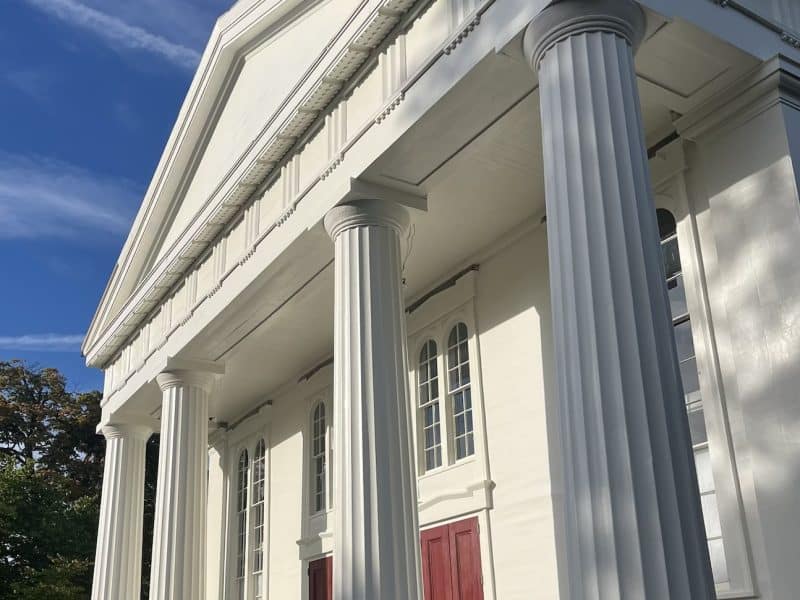
Trumansburg Conservatory of Fine Arts enters final phase of major building overhaul
The Trumansburg Conservatory renovation enters its final phase after a $1.7 million fundraising campaign to restore the historic arts building.
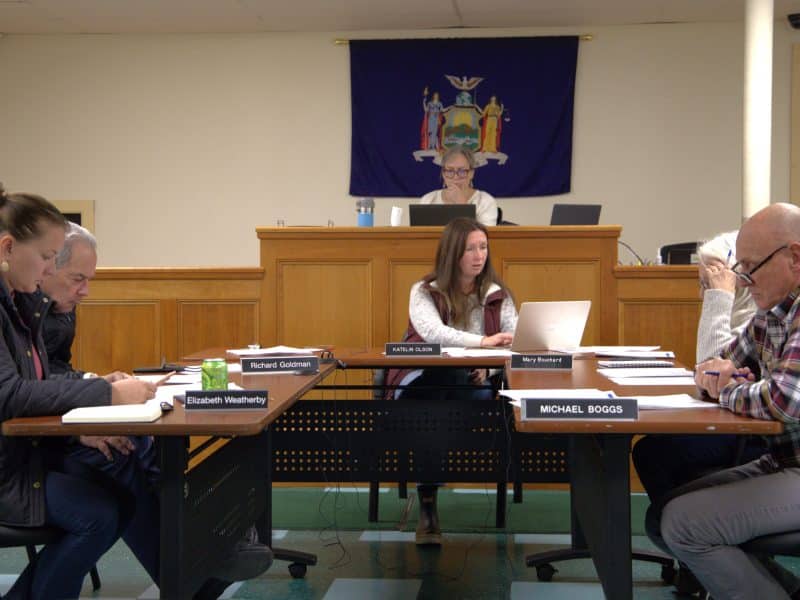
Ulysses Town Board recognizes retiring officials
The Ulysses Town Board recognizes retiring officials for years of public service and leadership at its final meeting of the year.

Holiday traditions bring community cheer
Tompkins County holiday traditions light up homes, farms, and schools with festive cheer and community spirit.