
Trumansburg schools consider regionalization as TST BOCES plan advances
Trumansburg school regionalization remains undecided as TST BOCES outlines goals for shared services and student learning.
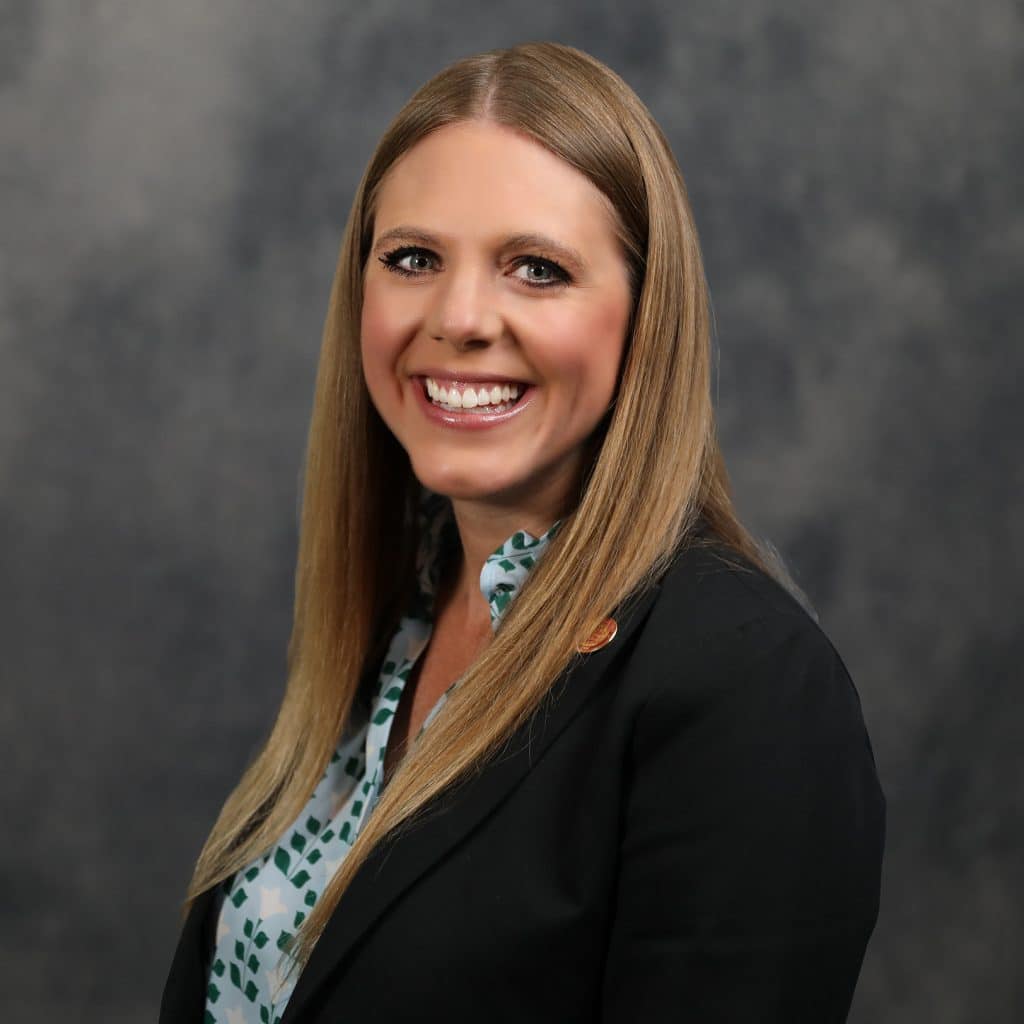
TST BOCES District Superintendent Lily Talcott spoke to the Trumansburg Central School District Board of Education about the progress and goals of the optional regionalization plan during a recent board meeting.
School regionalization, an optional pooling of services and programs across several school districts in the Tompkins-Seneca-Tioga BOCES (TST BOCES), is taking shape in Tompkins County. But the Trumansburg Central School District (TCSD) hasn’t yet signed off on the idea.
TST BOCES District Superintendent Lily Talcott delivered a presentation to the TCSD Board of Education, updating board members on how the process has progressed in the past year and discussing the district’s status as a part of the regionalization process.
TST BOCES and other local stakeholders created a regionalization plan in October 2025, but not every district in the service area has signed off on it. TCSD has not signed off on it.
The regionalization initiative asks school districts throughout the state to work with their BOCES district superintendents to develop regional plans that identify solutions to academic and operational challenges, according to the directive issued by the New York State Education Department (NYSED) when the program was announced.
These challenges include ensuring that all students have access to high-quality educational experiences without fiscal constraints.
Initially, districts within a BOCES system were mandated to participate in regionalization, but that changed at the end of 2024, when NYSED’s Board of Regents voted to make regionalization optional.
The mandate had proved controversial, with NYSED receiving approximately 9,500 comments, according to an article published in the New York State School Boards Association’s (NYSSBA) website.
Regionalization, Talcott said, is particularly important as “safe harmless,” a soft policy crucial to the school funding system has seen threats to its existence. “Safe harmless” guarantees that school districts receive at least as much Foundation Aid — provided by the state — as the previous year. This would prevent sudden funding drops even if enrollment were to decline.
Last spring, TST BOCES hosted three information sessions at the TST BOCES campus at 555 Warren Rd. in Ithaca.
“We had about 70 to 80 people in our gym: students, teachers, union leaders, administrators, board members, community members, partners from higher education institutions, local politicians, etc.,” Talcott said. “We talked about some big issues around regionalization.”
The group of stakeholders spoke about how regionalization connects to the region’s mission of delivering a culturally responsive, sustaining education framework, Talcott said.
“At the heart of regionalization is really learning — student learning and student experience,” Talcott noted.
Stakeholders came up with three categories for the plan to focus on: career pathways, operations and inclusive special education.
An example of programs where TST BOCES has made a difference by pooling resources across all nine TST BOCES districts in career pathways is a local machining and manufacturing program, Talcott said.
“We have a BOCES employee who is the instructor, and we have a full program just on machining and manufacturing at Candor,” Talcott said. She noted that the program is open to students in the TST BOCES region, not just those in Candor.
“We aren’t trying to create a ton of new positions or anything,” she added. “We are basically taking everything that was already in here and repurposing it to create more opportunity for young people.”
Districts in the area also want to prioritize in-region special education, Talcott noted. TST BOCES opened up a classroom for children under 3 years old with autism and significant communication needs, after superintendents in the TST district decided that was a major population in need.
As for what is in the plan submitted in October, Talcott said that TST should have a regional transportation task force that would help share transportation resources across all nine districts. Another part of the plan includes a regional inventory of programming.
“That way, folks can see what’s actually offered up there,” Talcott noted.
TST would also offer to expand its special education programs within the nine districts as part of the plan, as well as create more professional development opportunities for staff focusing on inclusive and specialized education.
“We want to make sure we’re building everybody up, and their skillset and their mindset in order to meet the needs of our community,” she said. “We also want to make sure we understand where we are in terms of career development: what we are doing and where we are starting it.”
The plan also calls for joint school boards of education to discuss what is going on around the nine-district region.
“It’s exciting. There’s so many opportunities,” said TCSD Board of Education President Megan Williams. “So much of it already exists. It’s just figuring out how to make the right connections.”
Author

Related Articles
Ulysses Town Board recognizes retiring officials
The Ulysses Town Board recognizes retiring officials for years of public service and leadership at its final meeting of the year.
Holiday traditions bring community cheer
Tompkins County holiday traditions light up homes, farms, and schools with festive cheer and community spirit.
Trumansburg Community Chorus readies inspiring winter concerts
The Trumansburg Community Chorus performs “I Dream A World” this December, celebrating hope, reflection, and community in inspiring winter concerts.