
Town of Ulysses proposes $4.2 million budget for 2026
Ulysses budget 2026 proposes $4.2M, funding town services, managing rising costs, and keeping reserves for future needs.
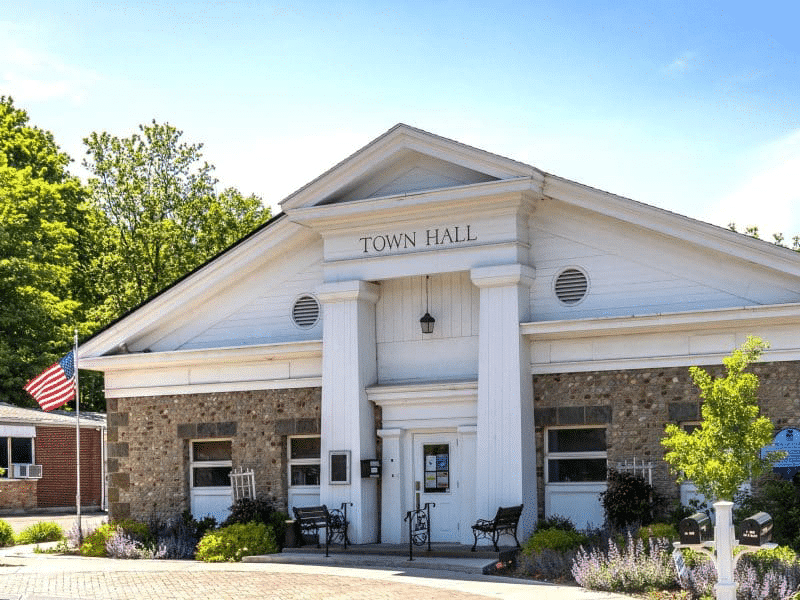
Town of Ulysses officials are proposing an approximately $4.2 million budget for 2026. A public hearing for the budget is scheduled for 7 p.m. on Tuesday, Oct. 28 at Ulysses Town Hall, located at 10 Elm St. in Trumansburg.
Town of Ulysses officials are proposing an approximately $4.2 million budget for next year, an increase in spending by just over $192,000, or 4.8%.
The town board unanimously approved the preliminary spending plan at its Oct. 14 meeting. The board is expected to vote on whether to adopt the plan at a public hearing for the budget, which is scheduled for 7 p.m. on Tuesday, Oct. 28 at Ulysses Town Hall, located at 10 Elm St. in Trumansburg.
“I feel really good about our budget,” Town Supervisor Katelin Olson said. “We’re continuing to fund the services that our constituents want, while also putting money away in reserve funds and planning for the future.”
The proposed budget would increase the tax levy, the amount of revenue the town generates from property taxes, by just under $53,000, or about 3.1%, which is under the state tax cap. Comparatively, the levy went up by 5% in the 2025 budget and by 3.5% in 2024.
The tax rate for town residents who live outside of the village of Trumansburg would rise by about 1.6%, while the tax rate for town residents who live in the village would decrease by about 3.1%.
For the $300,000 median-priced home outside of the village, a property owner would see about a $10 annual increase in their town property taxes. Meanwhile, the owner of a $315,000 median-priced home in the village would see an annual increase of less than 50 cents.
Olson said that residents outside of the village pay more in town taxes because they also pay for emergency medical services (EMS) and fire protection, while village residents pay for these services in their village taxes.
The village of Trumansburg adopted its approximately $3.9 million 2025-26 budget in April. The fiscal year runs from June 1 to May 31.
Olson said one major driver of the spending increase is managing state-mandated benefits for town employees. Olson said that the cost of state retirement benefits for employees will rise by more than 10% next year, while health care costs, which rose by 14% this year, are set to increase by another 18%. Town employees receive their health insurance through the Greater Tompkins County Municipal Health Insurance Consortium (GTCMHIC), which provides health care coverage to municipal employees in 16 counties in upstate New York.
“It’s better for our taxpayers that we’re part of [GTCMHIC] because if you compare it to a Blue Cross Blue Shield plan of the same benefits, we’re paying probably $1,000 less per person for that plan than we would be if we were on the private marketplace,” Olson said. “But it doesn’t change the fact that in this country health care costs are going up really fast — and that’s a hard element for all communities and all households, frankly, to be able to shoulder.”
The proposed budget also includes 3% annual salary increases for top town officials, including the supervisor (from about $41,300 to about $42,600), the town clerk (from about $65,200 to about $67,200) and the highway superintendent (from $77,500 to about $79,900).
Olson said that just over 42% of the revenue raised from property taxes would go toward fire and other emergency services, while the cost to provide these services has increased by almost 7%. The town contracts with Trumansburg’s ambulance company for EMS, which serves municipalities across the county, but Olson said that the town contributes the largest amount of funding to operate the village’s ambulance company.
Under state law, ambulance services, unlike fire protection services, are not considered “essential” services. However, a bill, which was passed by the state legislature in June and still awaits the governor’s signature, would deem ambulance services as essential and require counties to develop comprehensive plans to provide EMS to all of their municipalities.
“I want people to have ambulance services, but what we really need is state leadership to tell our counties that we need to collectively come together to share the cost burden of having robust ambulance services within Tompkins County,” Olson said. “It’s putting incredible pressures on local town budgets to try and come in under the state tax cap while still providing those essential services that our residents need.”
Beginning next year, Olson said that Ulysses will not renew its three-year contract with the county to plow county-owned roads in the town during the winter. Last year, she said the county reimbursed the town for about $35,000 of the total $85,000 that it cost to do the job. Olson added that having the county plow its roads in the town, which the county already does in Enfield and Newfield, saved the town from having to replace an approximately $350,000 vehicle.
“It cuts down on overtime costs. It cuts down on the amount of salt we have to purchase. It cuts down on us not needing to replace that piece of equipment, and overall we feel it will help town taxpayers,” Olson said.
The town expects to receive another $485,000 in state-reimbursed Consolidated Local Street and Highway Improvement Program (CHIPS) funding next year, which will go toward road replacement projects.
“The CHIPS funding gives the highway superintendent the flexibility to be strategic about where the money is being invested,” Olson said. “If he only spends $300,000, then the rest of it remains with New York state and can be used in the next calendar year.”
The town also receives about $33,500 in state Aid and Incentives for Municipalities (AIM) funding annually, which will support the town’s general fund. The general fund, which accounts for about $1.3 million of the proposed budget, primarily supports staff salaries and benefits, among other services.
The town’s proposed budget can be found on its website, townofulyssesny.gov.
Ulysses residents call for speed reduction on Waterburg Road
After the Ulysses town board approved its 2026 preliminary budget, the board voted unanimously to pursue a speed reduction study, after residents submitted a petition calling for the move last month.
Town residents Scott Sutcliffe and Kathleen Overbaugh submitted a petition to the board calling for the speed limit along Waterburg Road to be lowered from 55 mph to 45 mph. The petition, signed by 28 residents who live along the street, asks that the speed limit be lowered on the portion of the road between Podunk and Indian Fort roads.
“Without exception, everyone in Waterburg Road that we met with was enthusiastic about this,” Sutcliffe said. “I’ve been living on this road for 40 years, and people are driving like nuts these days on Waterburg Road. We had someone killed three years ago because he was speeding.”
Olson said that the Tompkins County Highway Superintendent must now ask the state Department of Transportation to conduct a speed control study, a process she said can take about 18 months.
Author

Related Articles

Holiday traditions bring community cheer
Tompkins County holiday traditions light up homes, farms, and schools with festive cheer and community spirit.
Trumansburg schools consider regionalization as TST BOCES plan advances
Trumansburg school regionalization remains undecided as TST BOCES outlines goals for shared services and student learning.

Trumansburg Community Chorus readies inspiring winter concerts
The Trumansburg Community Chorus performs “I Dream A World” this December, celebrating hope, reflection, and community in inspiring winter concerts.