
Ulysses comprehensive plan committee maps out town goals for next 20 years
Ulysses Comprehensive Plan 2025-2045 outlines town goals, housing, climate, and transportation priorities for the next 20 years.
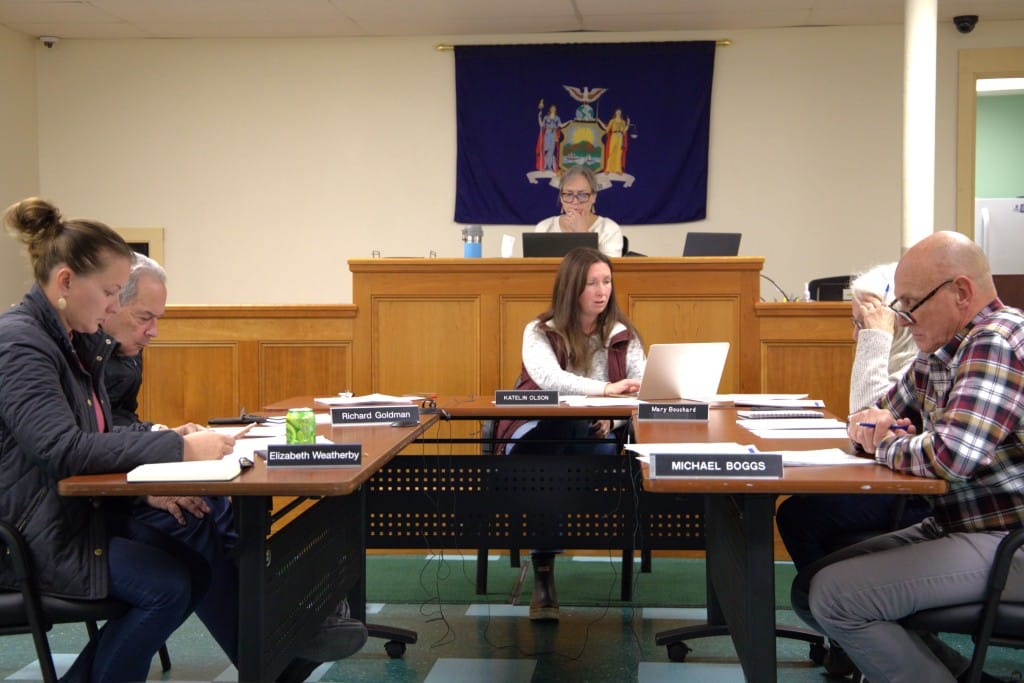
Ulysses Town Clerk Carissa Parlato, back, and town board members Elizabeth Weatherby, Rich Goldman, Town Supervisor Katelin Olson, Mary Bouchard and Michael Boggs at the board’s Oct. 28 meeting at Ulysses Town Hall. Weatherby and Olson are members of the town’s Comprehensive Plan Steering Committee, which has been tasked with developing a plan to guide the town’s goals for the next 20 years.
Elected leaders and volunteering residents of Ulysses are hoping to finish a plan by the end of the year that will guide the town’s goals and vision over the next two decades.
The town’s Comprehensive Plan Steering Committee (CPSC) is expected to vote on the latest draft of the 2025-2045 comprehensive plan at its last scheduled meeting and public hearing at 5 p.m. on Wednesday, Nov. 5 at Ulysses Town Hall. The 11-member committee was established by the town board and includes town officials, business leaders and other community members.
“It’s a really important document that should help guide all of the future plans and actions of the town board and the town overall,” said Town Supervisor Katelin Olson, who is a CPSC member. “It really helps us set essentially a navigational course for the direction the town is heading in the next 10 to 20 years.”
However, CPSC members said that there might not be time to approve the plan by the end of the year and that additional meetings into 2026 may be necessary to hash out details in the more than 400-page document. When the CPSC votes to recommend the plan, it will go to the town board for final approval, as well as to agencies at the county and state levels that must review the plan before its adoption.
“I’d say we’re still a ways away from the town board adopting the comprehensive plan,” said Town Board Member and CPSC Vice Chair Elizabeth Weatherby. “We’re looking to potentially do it this year, but that all depends on where we are at our next meeting. If it takes a couple extra months into next year to approve it, then it’s fine. We want to make sure that we’re proud of the document and that the town is proud of it.”
Public outreach and meeting limitations
The CPSC has met on a monthly basis since early 2023 and has spent more than two years gathering public input to develop the comprehensive plan. The town’s current comprehensive plan was adopted by the town board in 2009.
Olson said that the committee has used a variety of methods to understand what issues residents face, such as an online survey that received nearly 400 responses, public hearings, focus groups and two open house events, one of which saw more than 80 people turn out to provide feedback on what the town’s vision should be.
“I’ve been impressed by the level of community engagement in this process, and the feedback we’ve gotten is from a good demographic spread that’s reflective of the actual demographics of Ulysses,” Olson said.
But Roxanne Marino, another CPSC member who also serves as the chair of the town’s Conservation and Sustainability Advisory Council, said that community engagement has been lower since the committee published drafts of some of the plan’s chapters on the town’s website earlier this year.
Marino believes that more public input on the chapter drafts is necessary and that there hasn’t been adequate time for CPSC members to discuss “substantive issues” throughout the plan.
“Many people I’ve spoken to say that the plan is just really hard to read and they don’t know how to approach it, so they give up,” she said. “The chapters have been really long, have a huge amount of material and have not been very well written.”
Marino added that the committee recently began expediting the planning process by meeting once every two weeks, instead of monthly, and discussing three chapters at meetings instead of one.
“It was just a lot,” Marino said. “There’s not very much time at our meetings to discuss much in a way where everyone on the committee is heard and can share their perspective, which is what we want. With all 11 of us discussing every issue, we could easily spend five hours in one meeting working things out.”
Community needs
The CPSC has publicly released drafts of 10 plan chapters, which include an introduction and nine categories, or elements, each with suggested goals and policy proposals. The elements include land use, housing, economic development, transportation, climate change and resiliency and community well-being.
Olson said that one of the top concerns from residents, and a major goal of the comprehensive plan, is diversifying the town’s housing options. The publicly released housing chapter proposes building more affordable and environmentally sustainable housing, such as tiny and manufactured homes, and states that the town plans to create about 150 new housing units by 2045. Meanwhile, the plan projects that the town’s population will decrease by about 1.3% between last year and 2029, according to the plan’s introduction chapter.
Some of the plan’s current housing proposals are to create a new Housing Advisory Committee that conducts research and makes recommendations to the town board, perform a zoning audit to identify areas where zoning can be revised to accommodate more housing units, and provide density bonuses to developers looking to construct more affordable housing.
“I’ve spoken to residents who’d like to downsize their house, but they have no place to go if they want to stay in the community,” Olson said. “They’re also concerned about their children who want to come back to the area, but there’s no place for them to start because of how expensive housing prices have gotten. We’ve had very limited [housing] development in the town of Ulysses in the last 20-plus years.”
The town’s population last year was about 4,900, a decrease from 2010 by less than 0.1%, while the county’s total population has grown by nearly 4% over the same period, according to the plan document.
Other major concerns from residents related to climate change and water quality. While the town has four water districts, Olson said that many residents have installed private water systems out of safety concerns.
“It’s been a very dry fall, and many property owners I’ve spoken to have struggled to have sufficient water because the water tables are lower,” Olson said, noting that droughts often lead to pipe corrosion in homes.
The plan proposes exploring the costs to expand municipal water districts, expanding residents’ sewer access by tying into existing town of Ithaca water and sewer systems, and encouraging green infrastructure like permeable pavement, rain gardens and vegetated swales on historic sites to reduce stormwater discharge and lower pollutant loads.
Weatherby said that transportation is also an issue for many residents, especially those without personal vehicles. The plan proposes constructing more sidewalks and crossings throughout the town, converting certain town vehicles to electric as they depreciate and working with Tompkins Consolidated Area Transit (TCAT) to expand bus services. She said that TCAT currently stops at locations in the village of Trumansburg, but not close enough to many residents who live in more rural areas of the town.
“People in our agricultural areas and rural areas would have to have access to personal transportation to get to the bus stop,” she said. “It’s about trying to figure out the best way to provide transportation to those folks, either by expanding TCAT services or coming up with another resource that would be available to fill in that transportation gap.”
Weatherby said that there will be opportunities for public input until the town board adopts the plan, and she added that the plan will be reviewed annually to ensure it reflects the community’s evolving needs.
Marino said that she hopes more residents provide public input so that the committee can approve a plan that best addresses the town’s needs.
“These days, you can barely wake up every day and cope with what you’re hearing in the news, so I think it’s a particularly challenging time to engage people in a local issue like this,” she said. “I just don’t think there’s enough time to pass the plan by the end of the year, and I really feel that a major comprehensive plan update should be a document that will do justice to our community’s vision for the future. But we should figure something out because we’re smart, we’re creative and we can do it.”
In brief:
Ulysses approves 2026 town budget
The Ulysses Town Board unanimously voted to adopt the town’s 2026 budget on Oct. 28, following a public hearing.
The $4.2 million fiscal plan increases spending by just over $192,000, or 4.8%, from this year, which will manage the rising costs to provide EMS and other town services. The tax rate for town residents who live outside the village of Trumansburg will rise by about 1.6%, while the tax rate for town residents who live in the village will decrease by about 3.1%.
Voters approve Trumansburg CSD capital project
Residents voted to approve both propositions in Trumansburg Central School District’s $18.4 million Capital Improvement Plan on Oct. 28.
The project will upgrade the district’s infrastructure and drainage systems, install more air conditioning units and sidewalks for student safety and make its athletic and performing arts spaces more accessible to the community.
Author

Related Articles
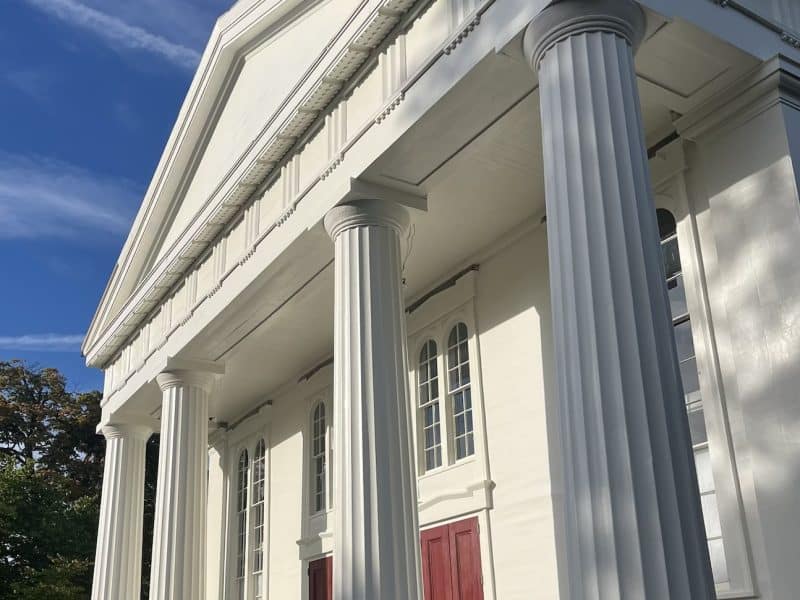
Trumansburg Conservatory of Fine Arts enters final phase of major building overhaul
The Trumansburg Conservatory renovation enters its final phase after a $1.7 million fundraising campaign to restore the historic arts building.
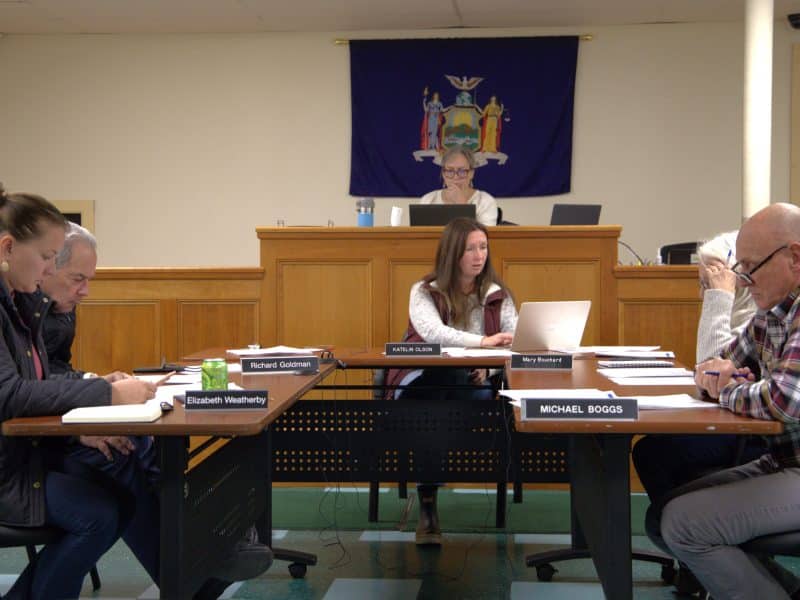
Ulysses Town Board recognizes retiring officials
The Ulysses Town Board recognizes retiring officials for years of public service and leadership at its final meeting of the year.
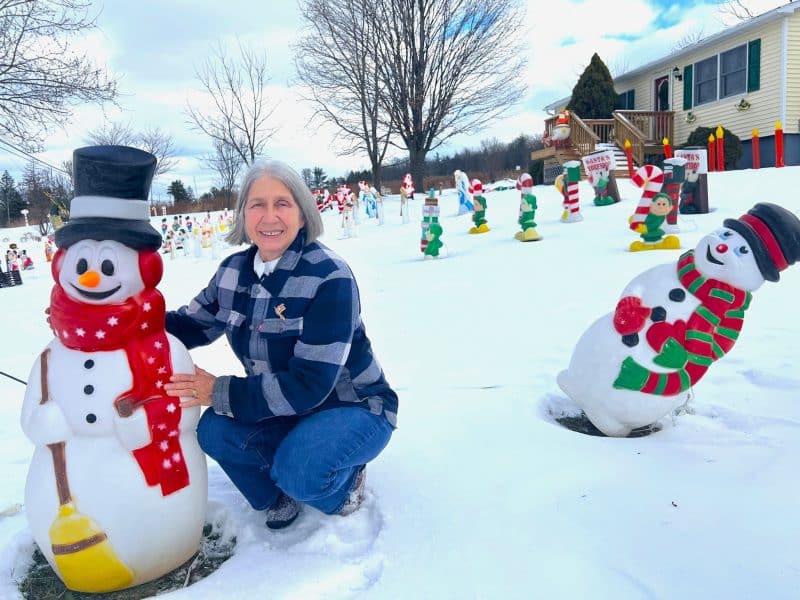
Holiday traditions bring community cheer
Tompkins County holiday traditions light up homes, farms, and schools with festive cheer and community spirit.