
Ulysses targets culvert upgrades to improve infrastructure, prevent flooding
The Town of Ulysses is set to overhaul its water management infrastructure, targeting culvert replacements on key roads like Agard Road, with plans discussed at its May 13, 2025, meeting following a DEC-funded engineering study.
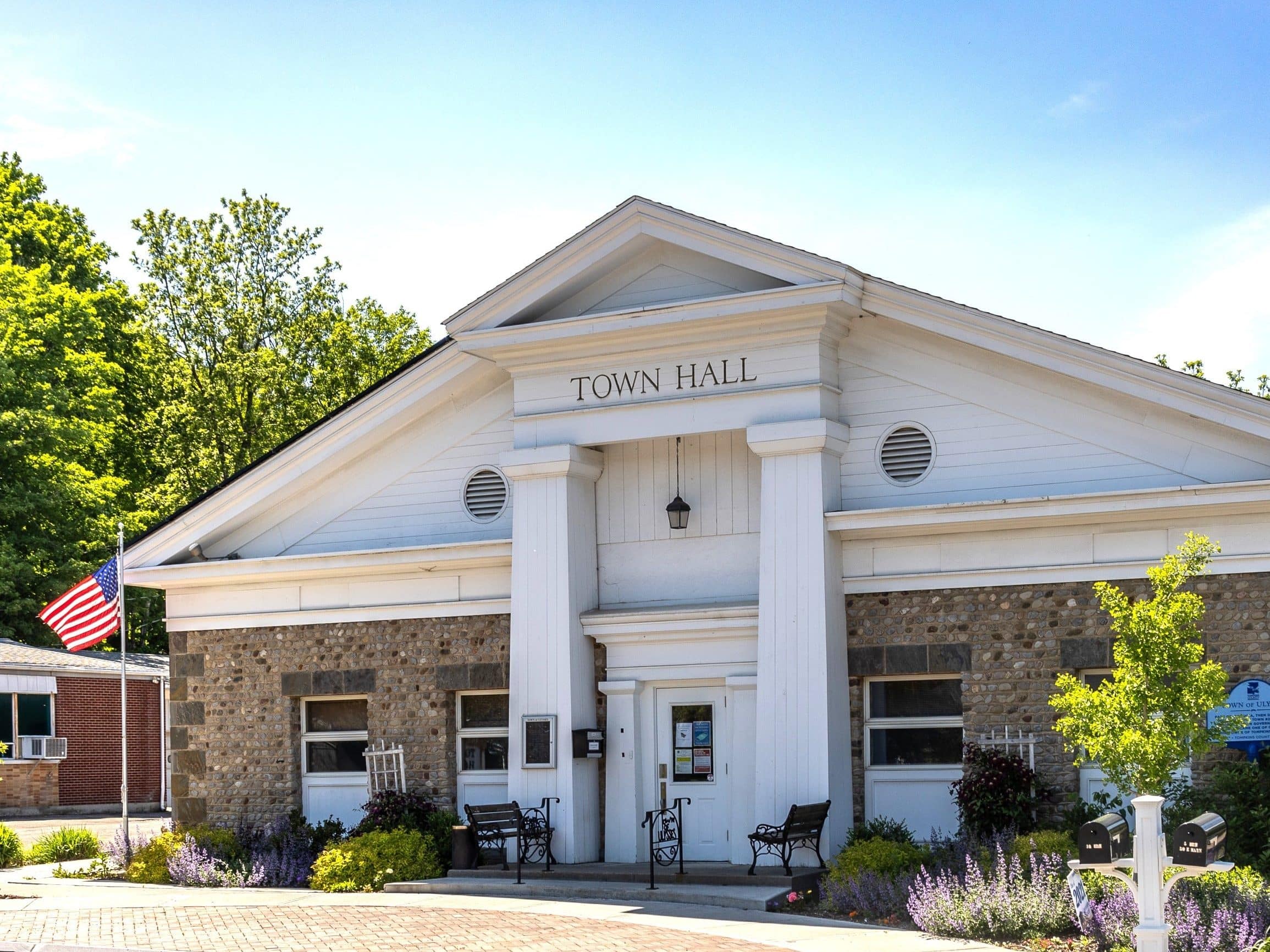
Town of Ulysses officials discussed the issue of water management infrastructure at its April 22 meeting and will continue addressing culvert reinforcement during its first meeting on May 13.
The town of Ulysses is preparing an overhaul to its water management infrastructure. Specifically, the town is looking to strengthen the culverts under important Ulysses roadways.
The town board discussed the issue at its April 22 meeting and will continue addressing culvert reinforcement during its first meeting on May 13. Last year, the town completed an engineering study financed by a grant awarded by the New York State Department of Environmental Conservation (DEC). The study helped the town determine six culverts in Ulysses that are in need of replacement.
A culvert is a device, usually a pipe or arched tunnel, used to channel water underneath a road, railway or other type of embankment, according to the New Jersey Department of Environmental Planning. Culverts can be made of many different materials, including concrete, corrugated steel and plastic.
“We have already received funding for the Curry Road bridge, which is currently a culvert that will become a bridge,” Town Supervisor Katelin Olson said at the April 22 meeting.
As for new designs, the town has also received funding to strengthen the culverts on Maplewood Road and Garrett Road.
“The next in line is the Agard Road culvert,” Olson said.
The study was conducted last year by MRB Group, a firm based in Rochester that provides engineering, architectural and planning services to municipalities. Matt McKenna, a project manager at MRB, spoke at the April 22 meeting about potential next steps to fund further culvert revitalization projects.
“One proposal would be to go forward with another grant application, specifically for the Agard Road,” he said.
The funding for last year’s study came from the DEC’s Water Quality Improvement Program (WQIP).
“And we were very successful,” he said. “The town received a grant award of over half a million, 75% of the cost of that culvert itself.”
WQIP also paid for the Curry Road culvert replacement project. That culvert had a score of zero in the WQIP scoring system.
“The lowest we could possibly get,” McKenna said. “That grant application was focused on aquatic connectivity, and the possibility of wildlife to make its way up that stream. And I think here with the Agard Road we’re actually looking for, and will be likely applying for, the culvert replacement program. That looks at hydraulically undersized, structurally deficient culverts.”
The grant breakdown for that project is similar: up to a million dollars in funding, with 75% of the cost of the project covered by a grant and the other 25% being paid by the municipality.
“With the Agard Road culvert outlined in the engineering report, that total project cost was about $958,000, so using round numbers to grant requests [there] will be about $720,000 coming from the grant,” McKenna said. “Agard Road was in the worst condition hydraulically and had the least hydraulic capacity of the six.”
Olson said the Agard Road replacement could require further studies.
“The reason for the hydraulic analysis is the exit of the culvert. The exit is not capable of handling a two- to three-inch rainstorm, which we have plenty of,” Olson said. “If we upsize the culvert, it could potentially make things worse. So a downstream study would need to be done before we can proceed.”
McKenna said that the point of the hydraulic investigation is to ensure that if the town releases more water by widening the culvert, flooding wouldn’t worsen in the town downstream.
The downstream study would make the town a more appealing applicant when requesting a grant to finance the project from the DEC.
“I just think that [the study] is going to show the town’s desire and need to really focus on this,” McKenna said.
The meeting yielded a unanimous vote from the town board, which decided to move forward with the downstream study. That will cost $16,500.
Ulysses Connection appears every week in Tompkins Weekly. Send story ideas to editorial@vizellamedia.com. Contact Eddie Velazquez at edvel37@gmail.com or on X (formerly Twitter) @ezvelazquez.
In brief:
The 2025 preliminary tax roll is now available.
The deadline to submit an informal assessment review has passed. Parties who want to contest the 2025 tax assessment can submit a formal grievance through May 27, according to the Tompkins County Office of Assessment.
There will be appointments available for Grievance Day on May 27, 2025, to appear in front of the Board of Assessment Review. You can call to schedule an appointment at 607-274-5517.
Author

Related Articles

Holiday traditions bring community cheer
Tompkins County holiday traditions light up homes, farms, and schools with festive cheer and community spirit.
Trumansburg schools consider regionalization as TST BOCES plan advances
Trumansburg school regionalization remains undecided as TST BOCES outlines goals for shared services and student learning.
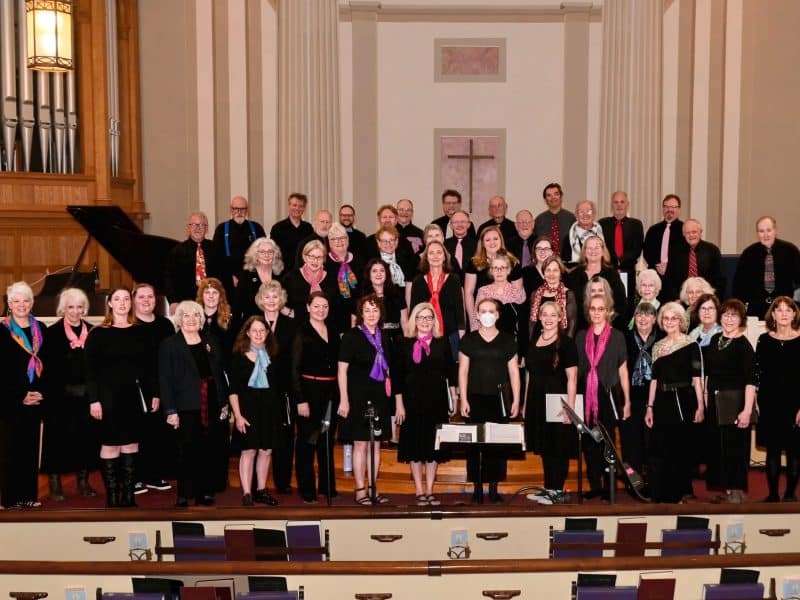
Trumansburg Community Chorus readies inspiring winter concerts
The Trumansburg Community Chorus performs “I Dream A World” this December, celebrating hope, reflection, and community in inspiring winter concerts.