
Waldorf School in Ithaca celebrates new farming initiative
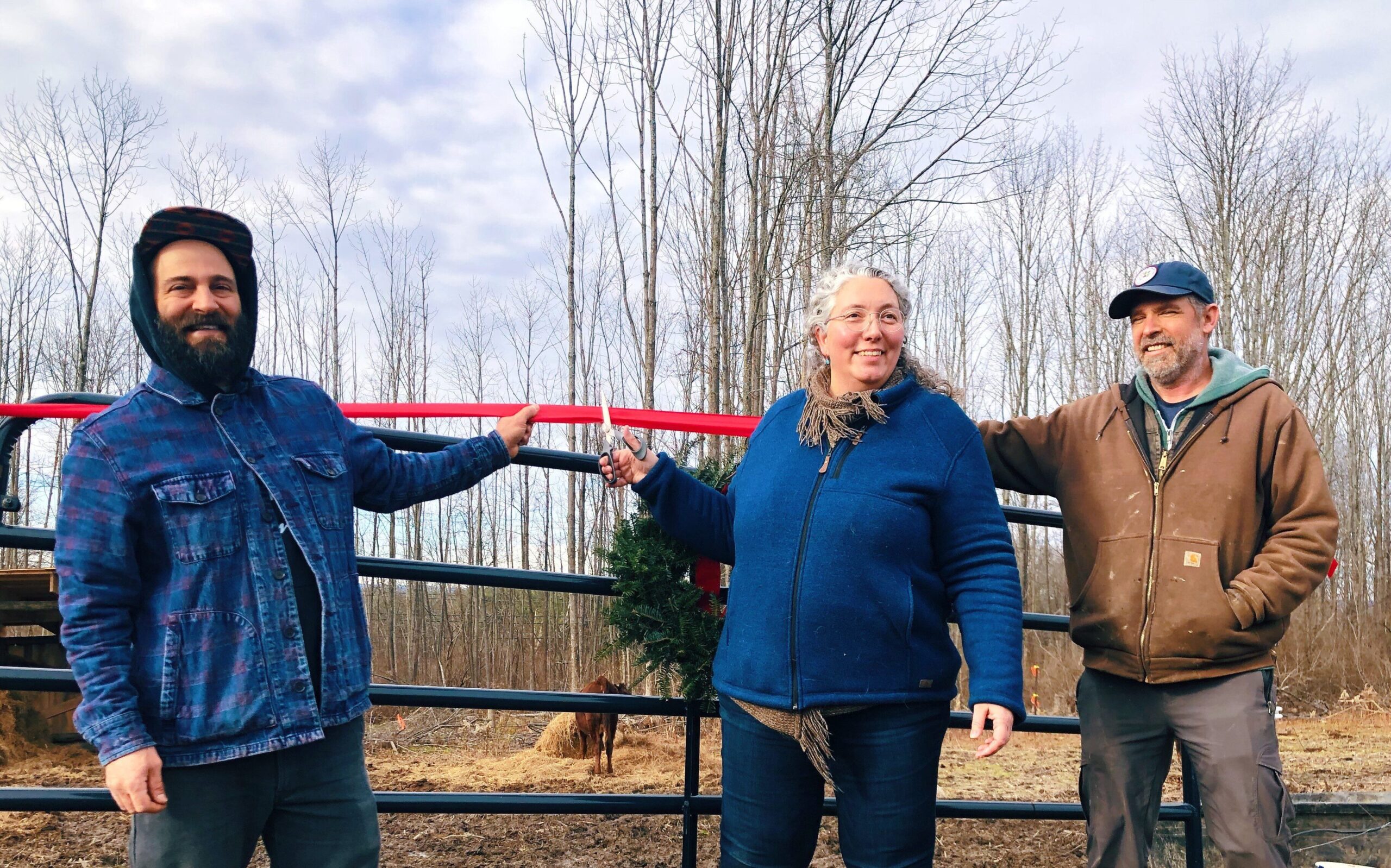
On Dec. 9, Ithaca Waldorf School held a ribbon cutting to commemorate the groundbreaking of The Farm, a new initiative in the school’s Farm & Land Stewardship program. The school just recently acquired three cows, with chickens and sheep coming soon.
The cows came from Remembrance Farm in Trumansburg, owned by Nathaniel Thompson, who is also the president of the Waldorf School Board of Directors. He has three children enrolled in the school.

Managing Editor
“One of the things that drew us to Waldorf was the emphasis on holistic childhood education that involves not only the mind but also the feeling, the body, the physical sense, and I think being outside and being in contact with natural things is a very direct way to educate the whole human being,” Thompson said.
“Just seeing them at the school and how they interact, it’s fantastic,” said Laura Hayes, Waldorf School director.
“Last year our second and third graders hatched fertile eggs,” Hayes said. The three chicks that hatched went to a farm for the summer and will be returning in January.
“One of them is a rooster, so we can continue to have fertile eggs and expand the flock,” Hayes explained, adding that she is excited to see the chicken project continue for years to come.
“The students observed how long it takes for the chick to get out of the egg, and when they’re newly hatched they’re all wet, and the students played them the happy birthday song on their recorders,” Hayes said with a chuckle. “It was very sweet.”
The middle schoolers do the chores for the cows in the morning and at lunchtime. They make sure the fence is intact, brush the cows, and attend to all their needs. “We have horse brushes that we use to make them tame and used to us,” Hayes said, explaining that they were not especially tame when they first arrived at the school, as they were used to living on a dairy farm.
The students were taught how to create “cow consciousness,” Hayes said, and learned how to slow their breathing before interacting with the cows so they could maintain a calm demeanor and not scare them.
“And not being afraid of engaging with an animal that size, and getting to know them, it’s a real treat to have that,” Hayes said. “You get to observe them, and see what their body language tells you. All of that is really valuable for social-emotional learning. It translates to how we engage with humans, and being able to practice on animals can sometimes be a good step in between for students.”
The youngest cow, Sherbet, has already formed a bond with the children. “One was a little calf when she came here and is now five months old and is really taken with the students, and comes to the fence line to greet them and get treats,” Hayes said.
The students work out the allocation of the chores, as some of them prefer to be outside with the cows while others prefer to do different tasks.
One student enjoyed spending time with the animals so much that they decided to construct their eighth-grade project around them.
“We have a year-long project where the eighth graders dive into a topic, and this student, they chose the cows and are going to learn more about them and train the little calf to be halter trained,” Hayes said. “The projects can span many topics—music production, writing a book—and this student chose the cows.”
The students had an unanticipated lesson in mourning two weeks ago as well, as one of the three cows unexpectedly passed away.
“Nature took its course sooner than we hoped, but the middle schoolers are going to lead a memorial service to honor her, and it’s given us an opportunity to talk about lifecycles,” Amelia Lefevre, Ithaca Waldorf business manager, said. “It was quite sad.”
The school is looking forward to welcoming sheep within the next year. Hayes said the second and third graders will learn how to care for them and shear their wool.
The students also care for a “worm city,” which they use to help compost the school’s food waste.
The farming initiative goes hand in hand with Waldorf’s philosophies, Lefevre explained.
“We create a very low-tech environment,” she said, “so there is less stimulation from screens and electronics, which we believe is better for the formation of the soul and the mind.’
The school is situated on 80 acres, much of it forest land.
“The students learn where things are coming from and what is growing on our land,” Hayes said, adding that last year the first graders planted Christmas trees, which they will harvest as a fundraiser when they are in eighth grade. They also tap maple trees to make maple syrup every year.
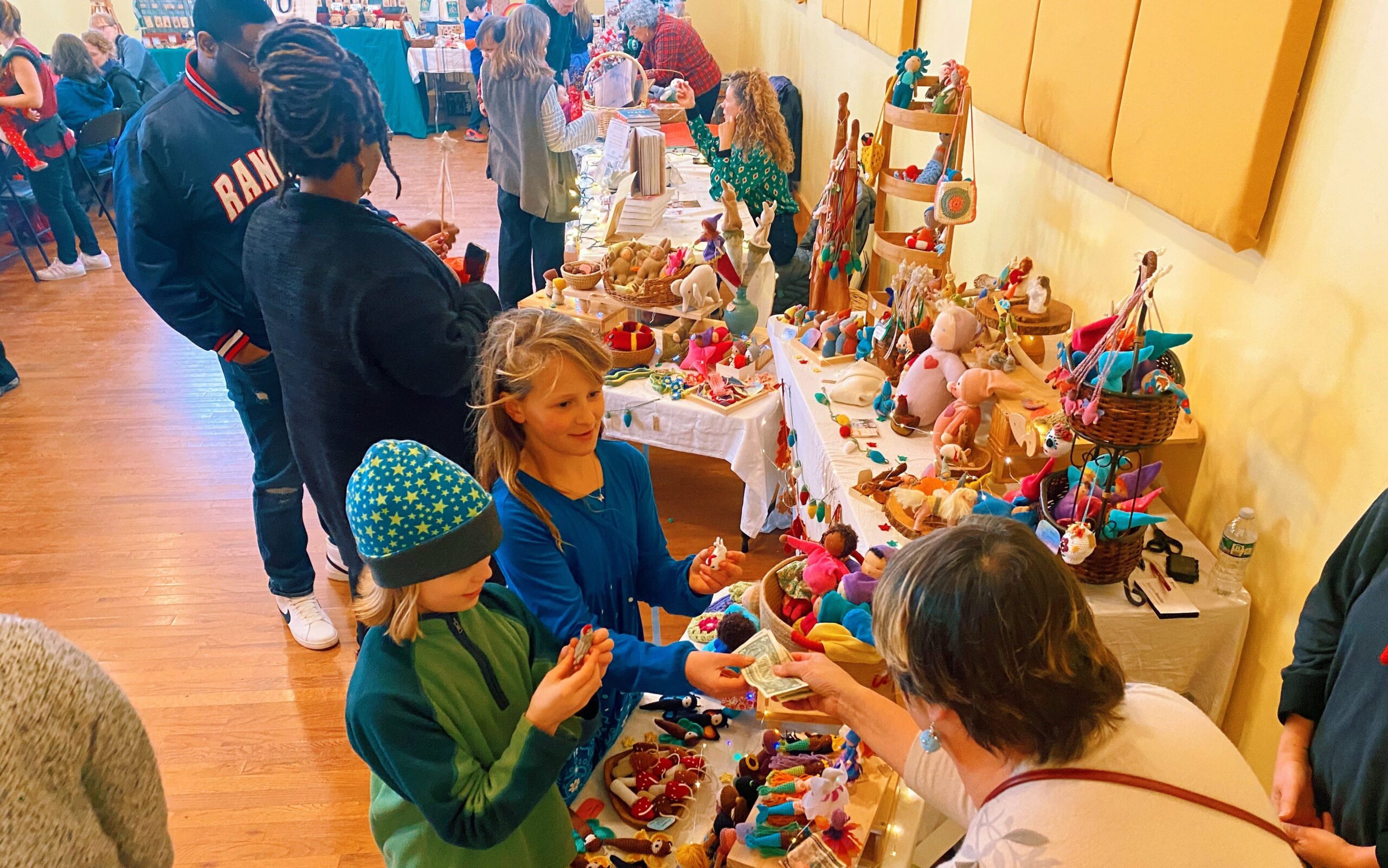
The Elves Fair, held the same day as the ribbon cutting, showcased students’ crafting abilities while raising money for the school. The school transformed into an elves’ workshop, with the public invited to share in the magic, and in addition to the array of items for sale, including felt gnomes, handmade soap and candles, there was a bake sale, an opportunity to meet the animals, and a chance to see magician Matt Jarman.
“He does close-up, slight-of-hand magic,” Hayes said. “We had him for our spring benefit, and the kids loved him.”
Author

Related Articles
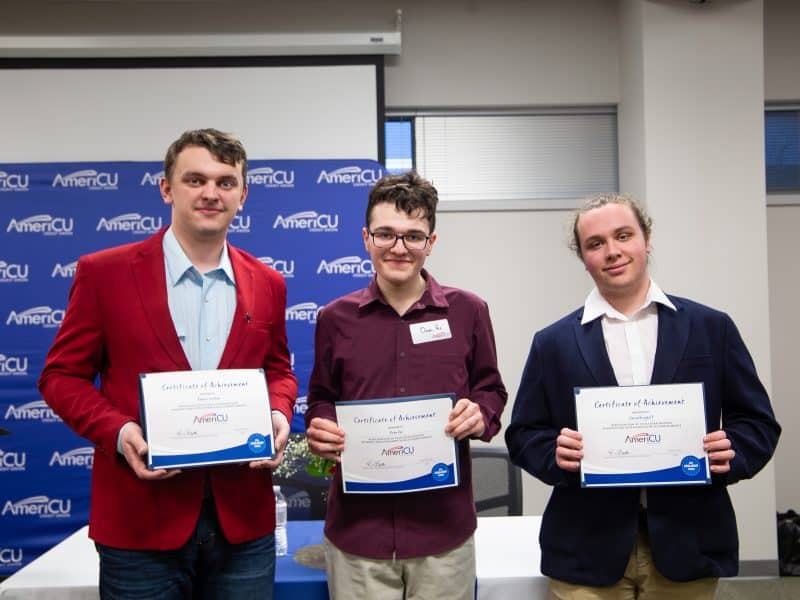
AmeriCU proudly connects students with annual scholarship opportunity
AmeriCU scholarship program awards $1,000 to students pursuing college or vocational education. Applications are open through March 15.
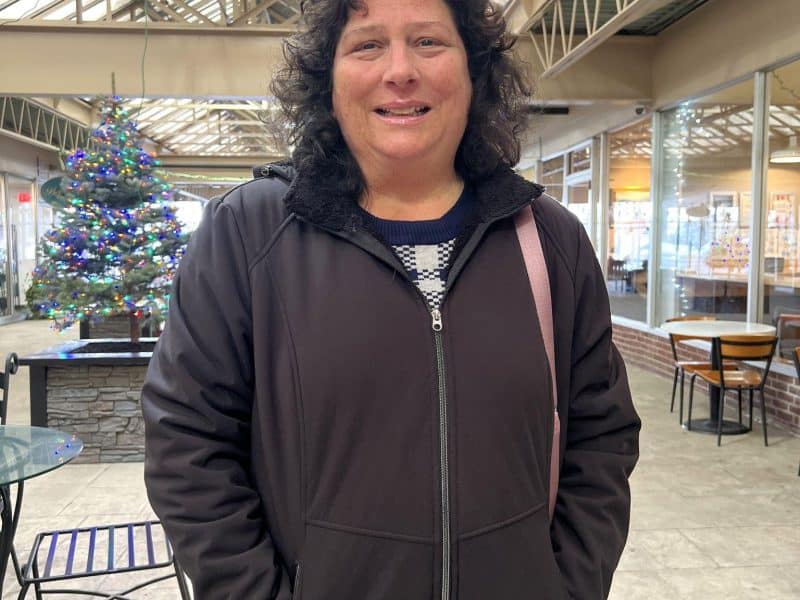
Street Beat: What’s one of the best holiday gifts you ever received?
We asked five random people. Here’s what they had to say.

5 things to do in Tompkins County this weekend
Plan your visit and discover what’s happening this weekend.