
Women’s wellness: Eat the rainbow
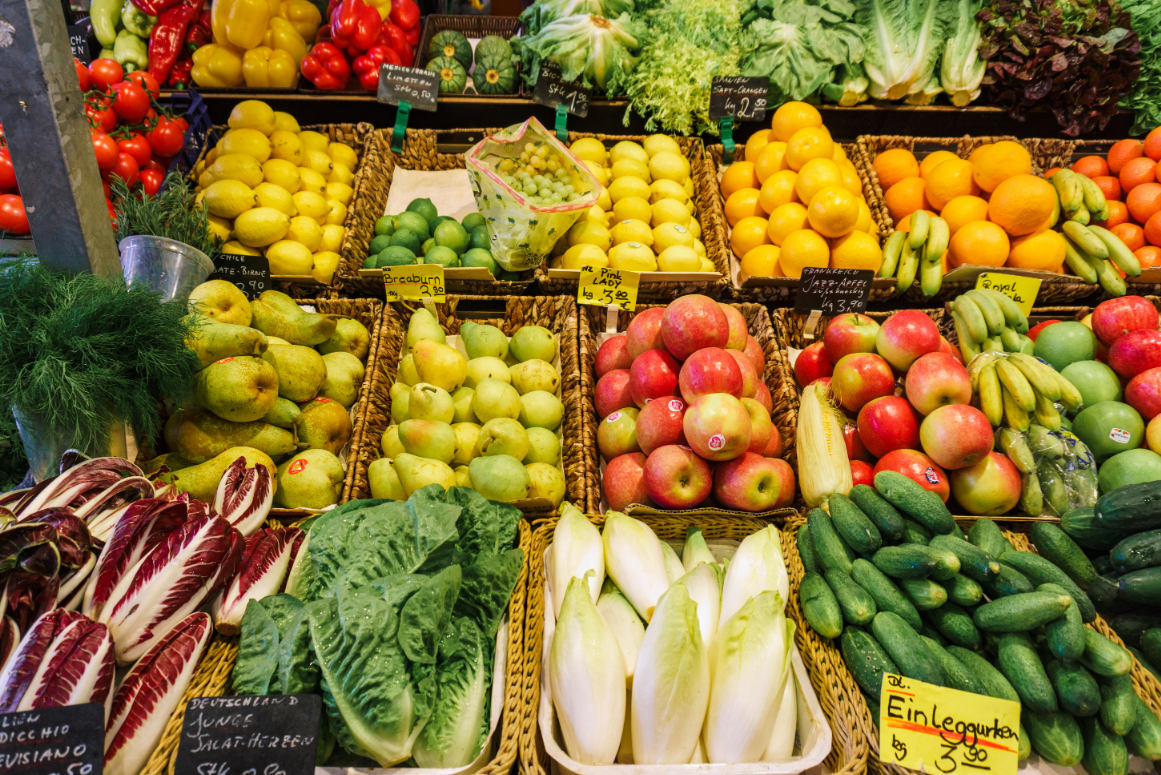
In general, the bold colors found in fruits indicate a large concentration of antioxidants. These vitamins and compounds perform many different functions within the body, but all antioxidants help reduce “free radicals,” or potentially harmful atoms that interfere with normal cell functioning in our bodies. Eating a variety of colors through fruits will help ensure that you’re adding a mix of these antioxidants to your diet, promoting good overall health. If you’re looking for ways to increase your intake of specific vitamins and minerals, read ahead for the rainbow array of fruits you can add to your plate today.
Red
Red fruits are plentiful and can contain a variety of vitamins and minerals – they’re also easy to source year-round, so including these fruits in your diet (whether they’re fresh, frozen, or dried) should be easy. Folate is an essential vitamin that can easily be found in many red fruits. A natural form of vitamin B9, folate is especially important for pregnant women to ensure proper brain and bone development in the fetus – but everyone benefits from folate’s promotion of healthy organ function. Strawberries and raspberries contain high amounts of folate, along with vitamin C, for immune health. Cranberries are another “berry powerhouse” and can help you avoid urinary tract infections by preventing bacteria from lining the walls of your urinary tract. Similarly, they may also help kill bacteria elsewhere in your body to help fight infections everywhere.
Orange
If your first instinct for an orange fruit is to reach for an orange, then you can’t go wrong. With high levels of vitamin C for immune health and fiber for proper digestion, oranges are a staple for a reason. If you want to branch out a bit, however, try eating papaya and apricots; these orange fruits have high levels of beta-carotenes (vitamin A) to help improve eye health and improve wound healing/healthy skin. However, cantaloupe is the clear beta-carotene winner in the fruit category, so if you’re looking for a mellow fruit that packs a vitamin punch, head to the melons.
Yellow
Yellow fruits are easy to find and very popular (for good reason). Mangoes are an often-overlooked yellow fruit that can offer many benefits. The vitamin K found in mangoes helps blood to clot correctly and can also help strengthen bones. Mangoes are also the source of mangiferin, a compound that can potentially reduce inflammation throughout your body, including in the heart. Other yellow fruits that are high in vitamin C and folate, such as pineapples and bananas, are great additions to your diet, as well.
This article is sponsored by Guthrie. If you have questions or concerns about a health-related topic, schedule an appointment with your primary care provider. More information is available at Guthrie.org/schedule-appointment.
Related Articles

Sponsored Sponsored content A holistic approach to wellness
William George Agency offers youth recreation programs that boost fitness, mental health, and confidence through holistic activities.

Sponsored Sponsored content Can the Grid Handle EVs? Debunking the Myth
Explore how Dovi Motors is leveraging modern infrastructure and smart EV technology make charging safe, efficient, and manageable for drivers and utilities alike

Sponsored Sponsored content Tech gifts for the holidays – and why fiber internet makes them even better
Explore the best holiday tech gifts and see how fast fiber internet from Empire Access helps your new devices perform their best this season.